Key facts
- Japanese 10-year government bond yields are rising, approaching 3%.
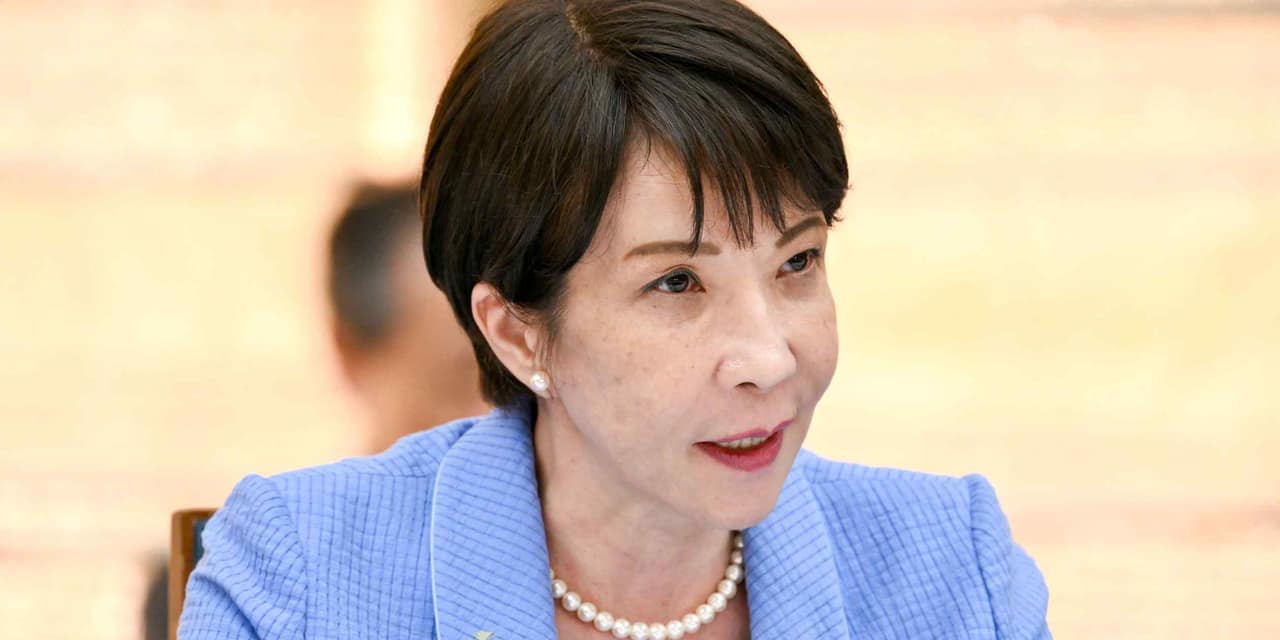
- Concerns are growing over Prime Minister Sanae Takaichi's expansionary fiscal policy.
- The 30-year JGB yield reached a record high of 3.21%, and 20-year yields hit multi-decade highs.
- Demand from foreign investors for long-dated JGBs has significantly decreased.
- Persistent inflation and fiscal deficits are contributing to the yield surge.
Japanese government bond yields are on the rise, with the 10-year benchmark yield nearing 3% as investors express growing concern over Prime Minister Sanae Takaichi's expansionary fiscal policy. This pro-growth agenda is fueling worries about Japan's fiscal outlook and the Bank of Japan's capacity to further raise interest rates.
The surge in yields follows a weak auction of 20-year Japanese government bonds, intensifying fears of a potential "Japan bond market storm." The 30-year JGB yield has reached a record high of 3.21%, while 20-year yields have climbed to their highest levels since 1999. These movements reflect persistent inflation, which saw core CPI rise 3.1% year-on-year in July, and growing fiscal concerns.
A significant factor contributing to the sell-off is the withdrawal of demand from key foreign investors. Data indicates that foreign investors' net purchases of JGBs with maturities over 10 years plummeted to ¥480 billion in July, a substantial decrease from June. Société Générale reported that overseas investors sold ¥1.4 trillion worth of 10-year JGBs around the time of Japan's recent election, marking the largest net sell-off in two years. Analysts from MUFG Morgan Stanley and SMBC Nikko Securities have pointed to the current political landscape and the risk of fiscal expansion as key drivers of upward pressure on JGB yields.