Key facts
- Japan and the U.S. engaged in a coordinated currency intervention to support the yen.
- The operation was the first joint U.S.-Japan currency intervention since 1998.
- The yen had reached a nearly 40-year low against the dollar prior to the intervention.
- The U.S. Treasury sold euros to buy yen, while Japan used the FIMA Repo Facility.
- This strategy aimed to strengthen the yen without causing Japanese sales of U.S. Treasurys.
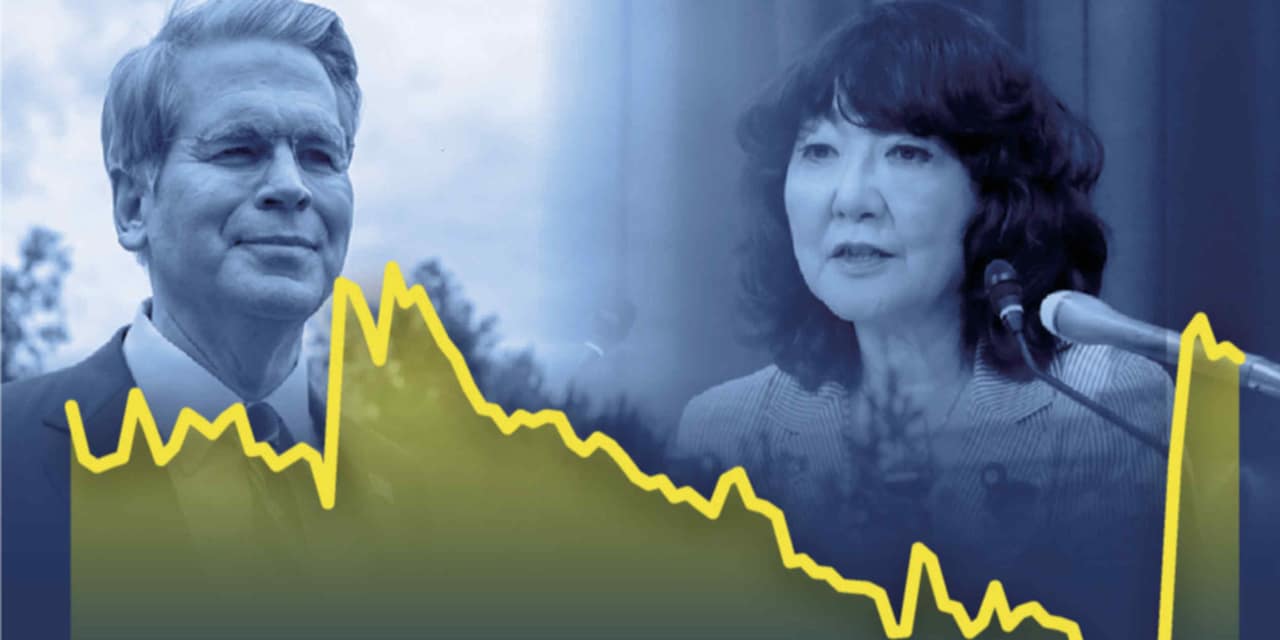
Coordinated currency intervention by Japan and the U.S. to bolster the yen has shown limited effectiveness, with market participants attributing this to waning confidence in Tokyo's economic policies. The operation, confirmed by Japan's Ministry of Finance on August 3, 2026, marked the first joint action between the two nations since 1998.
The yen had previously fallen to 163.73 per dollar, its weakest level in nearly four decades, before rebounding to 157.57 following the intervention. Both governments signaled their willingness to intervene further if necessary.
The intervention's mechanics were carefully designed. The New York Fed, acting on behalf of the U.S. Treasury, sold euros to purchase yen. Simultaneously, the Bank of Japan utilized the Federal Reserve's Foreign and International Monetary Authorities (FIMA) Repo Facility. This allowed Japan to borrow dollars against its U.S. Treasury holdings without selling them outright on the market, thereby avoiding upward pressure on U.S. borrowing costs.
This strategy was crucial for the U.S., as Japan is a major holder of U.S. Treasury securities. Unilateral Japanese intervention typically involves selling these assets, which can increase U.S. Treasury yields. By using the FIMA facility, the U.S. protected its bond market while achieving its goal of countering disorderly yen movements.
Despite these efforts, market observers point to a decline in confidence regarding Tokyo's fiscal and monetary policy as a key factor limiting the intervention's impact. Japan's 10-year government bond yield has risen to approximately 2.8%, and the U.S. 30-year Treasury yield has touched post-2007 highs near 5.23%.