Key facts
- The Federal Reserve maintained its benchmark interest rate between 3.5% and 3.75%.
- The FOMC removed language signaling a bias toward cutting interest rates.
- Nearly half of Federal Reserve policymakers are open to supporting a rate hike this year.
- Inflation is noted as elevated relative to the Fed's 2% target.
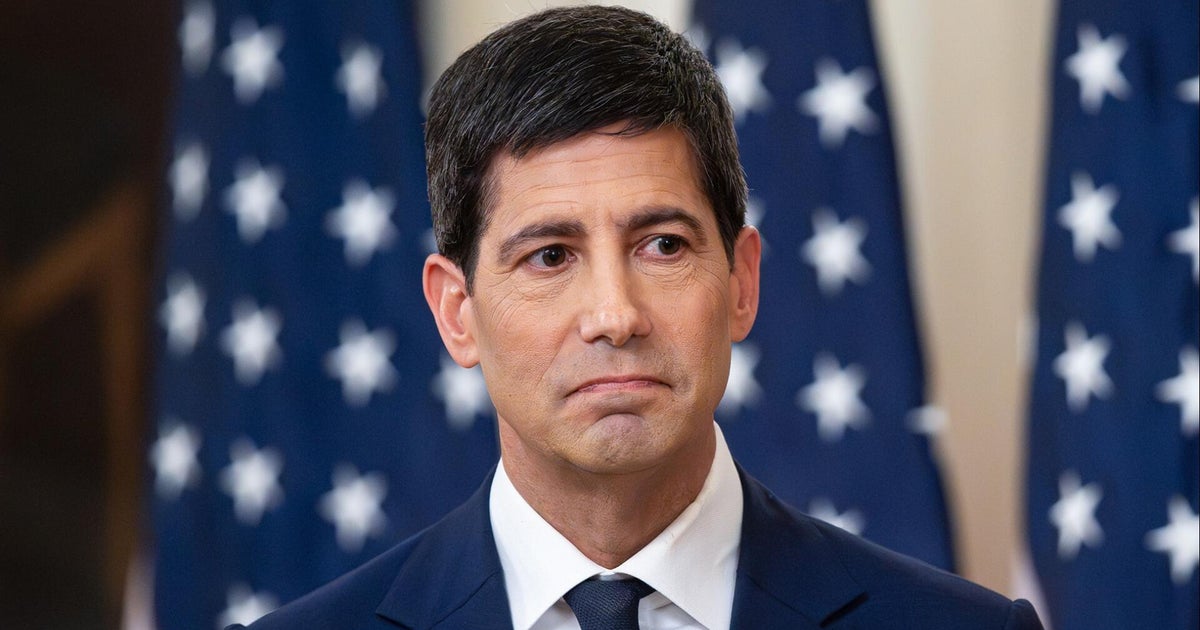
- New Fed Chair Kevin Warsh aims to bring inflation down to the 2% target.
The Federal Reserve has maintained its benchmark interest rate at 3.5% to 3.75%, signaling a potential shift away from its previous easing bias. This decision comes amid resurgent inflation, with nearly half of the Federal Open Market Committee (FOMC) members indicating they would support a rate hike later this year. New Fed Chair Kevin Warsh, appointed by President Trump, stated that inflation remains elevated relative to the committee's 2% goal and pledged to work towards bringing it down. The FOMC's statement noted that supply shocks, particularly in energy, have contributed to price increases. This hawkish shift in messaging surprised investors, leading to a decline in stock markets, with the S&P 500 falling 0.9%, the Dow Jones Industrial Average dropping 0.7%, and the Nasdaq Composite sinking 1%. Fed Governor Christopher Waller had previously suggested removing the 'easing bias' language, citing stabilizing labor markets but accelerating inflation due to higher energy and commodity prices. Economists like Felix Aidala view the changes in the policy statement and the projections for potential rate hikes as a significant shift in the Fed's communication strategy. Goldman Sachs Asset Management's Kay Haigh noted that the FOMC's inclination towards rate hikes reflects strong labor market and inflation data, even with a recent pullback in oil prices.