Key facts
- US consumer sentiment has increased, reaching a final reading of 49.5 in the University of Michigan's latest survey.
- The rise in sentiment follows a period of decline, partly due to soaring energy costs.
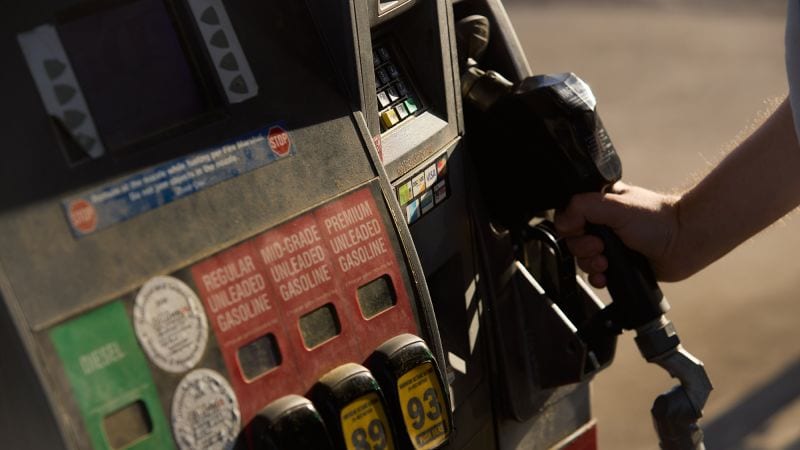
- Falling gas prices, attributed to a ceasefire in the Middle East, have contributed to the improved outlook.
- Despite the rebound, consumer sentiment is still 13% lower than pre-conflict levels.
- High prices remain a significant concern for over half of consumers.
Americans are beginning to feel more optimistic about the economy, with consumer sentiment rising in recent weeks after a significant decline earlier in the year. This shift is largely attributed to the easing of energy costs, particularly gas prices, which had previously driven down consumer confidence.
The University of Michigan's latest survey showed the index of consumer sentiment increasing to a final reading of 49.5, up from an earlier 48.9. This marks the first increase since February, a period before geopolitical tensions in the Middle East led to a surge in global energy prices. The conflict's impact on the Strait of Hormuz, a critical oil transit route, had pushed gas prices to near-historic highs, causing consumers to allocate more of their budgets to fuel and resulting in record-low sentiment readings.
However, a fragile ceasefire in the region has allowed gas prices to drop, contributing to the rebound in consumer sentiment. Despite this improvement, overall sentiment remains approximately 13% lower than it was before the Middle East conflict began. High prices continue to be a significant concern, with over half of consumers spontaneously mentioning that elevated costs are negatively impacting their personal finances.
While the economic news is positive, it has not yet fully translated into improved approval ratings for President Biden's handling of the economy. Nevertheless, the uptick in consumer sentiment challenges the narrative that public views on the economy are fixed, offering Democrats hope as the election approaches. The current inflation rate has fallen considerably from its peak, and gas prices are now below three dollars in many areas, suggesting that some of the pervasive pessimism may be abating.