HomeEverything
Equities & FundsCrypto & Digital AssetsAI & TechnologyBusiness & CorporateUS Politics & PolicyGeopolitics & Global RiskMacro, Rates & FXCommodities & EnergyEuropean Politics & MarketsAsia-PacificReal Estate & Property
← All Stories

US Consumer Sentiment Rises as Energy Costs Ease

Created at 2 Jul · 3:36 PM1 source↑ Market-relevant
IN SHORT

American consumer sentiment has improved, with the University of Michigan's index rising to 49.5 in its latest reading. This uptick follows a period of decline driven by soaring energy prices, which have recently begun to ease.

✉Newsletter

PiQ Daily

Pick your topics. Get only what matters, on your cadence.

Key Numbers

49.5University of Michigan consumer sentiment final reading
48.9University of Michigan consumer sentiment initial reading
13%increase in consumer sentiment index
3.4%inflation rate

Who's Involved

Joanne Hsu
Director of the University of Michigan survey
Jared Bernstein
Chair of the White House's Council of Economic Advisers
US Consumer Sentiment Rises as Energy Costs Ease

↳ Why This Matters

The rise in consumer sentiment suggests a potential shift in economic outlook, which could influence consumer spending and, by extension, economic growth. It also presents a more positive narrative for the current administration amidst ongoing political cycles.

Key facts

  • Consumer sentiment in the U.S. has increased.
  • The University of Michigan's consumer sentiment index rose to 49.5.
  • This improvement is linked to easing energy costs.
  • High prices remain a significant concern for consumers.
  • Sentiment is still below pre-conflict levels.

Americans are beginning to feel more optimistic about the economy, with consumer sentiment showing a notable increase in recent weeks. The University of Michigan's latest survey revealed that its index of consumer sentiment rose to a final reading of 49.5, up from an earlier 48.9. This improvement follows months of declining views, largely attributed to a surge in energy costs that had strained household budgets.

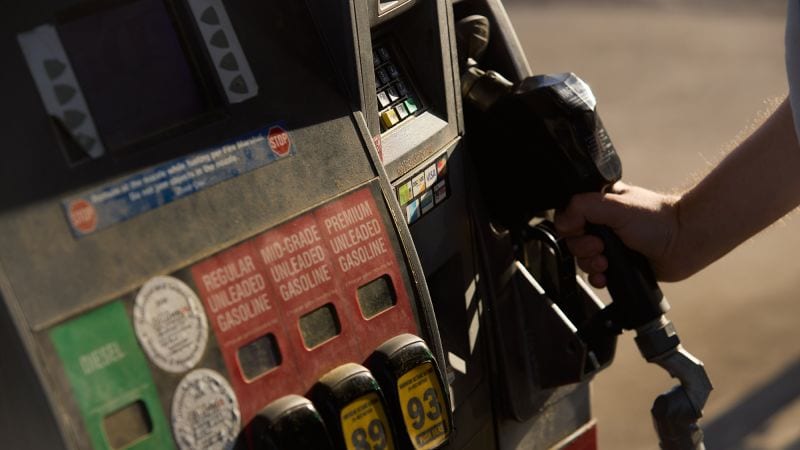
The initial uptick in sentiment was the first since February, preceding a period of elevated global energy prices. These prices spiked due to geopolitical tensions, including the conflict between the U.S. and Iran, which impacted the Strait of Hormuz, a critical oil transit route. Consequently, consumers faced near-historic gas prices, leading to record-low sentiment readings as more of their income was allocated to fuel.

However, a recent fragile ceasefire has contributed to a decrease in gas prices, fueling a rebound in consumer sentiment. Despite this positive shift, overall sentiment remains significantly lower than before the conflict began, with a 13% decline compared to February levels. High prices continue to be a persistent concern, with over half of consumers spontaneously mentioning their impact on personal finances in recent surveys.

Analysts have noted the lag between positive economic news, such as strong job growth and falling inflation rates, and the public's perception of the economy. While the inflation rate has fallen sharply from its peak, and gas prices have decreased in many areas, the sticker shock from higher costs persists for many Americans. The University of Michigan index has risen by nearly 60% since June 2022, challenging narratives of entrenched economic pessimism.

Frequently asked questions

It is a survey that tracks how Americans feel about the economy, based on detailed telephone interviews with a sample of approximately six hundred people.

A surge in gas prices, driven by geopolitical tensions impacting global energy markets, led to a significant decline in consumer sentiment.

No, while sentiment has risen, it remains significantly below pre-conflict levels and is still below its historical average.

What Happens Next

01The Conference Board's index of consumer confidence will be released next week.

Get the newsletter.

Pick the topics you actually care about. We'll email when there's news worth your time, on the cadence you choose. Cancel any time from your account.

Cadence
CME Headlines
  • BrokerTec Markets on CME Globex Notice: June 29, 2026
    2 Jul · 6:44 PM
  • EBS Market on CME Globex Notice: June 29, 2026
    2 Jul · 6:31 PM
  • Yield shifts and Treasury supply set the tone.
    2 Jul · 5:46 PM

How It Developed

Consumer sentiment has risen in recent weeks.
Energy costs have begun to decrease.
The University of Michigan's consumer sentiment index increased from 48.9 to a final reading of 49.5.
This marks the first increase in sentiment since February, following a surge in global energy prices.
Gas prices reached near-historic highs due to the closure of the Strait of Hormuz.
A fragile ceasefire has led to a drop in gas prices and a rebound in consumer sentiment.
Sentiment remains significantly lower than before the Middle East conflict.
High prices continue to be a concern for consumers, impacting personal finances.

Sources

T1
Americans Are Starting to Feel Better About the EconomyThe New York Times
T2
Americans Are Finally Starting to Feel Better About the Economynewyorker.com
T2
Americans are feeling a little better about the economy as gas prices easecnn.com
T2
The New Normal: How Americans are Adapting to Economic Uncertaintyssrs.com

Related Stories

Trump's job market resilient, but consumer confidence lags
2 Jul · 3:06 PM
US job growth slows in June, unemployment rate falls to 4.2%
2 Jul · 4:03 AM
US Job Growth Halves in June to 57,000
2 Jul · 3:20 PM
US factory orders decline in May amid weak commercial aircraft demand
2 Jul · 2:32 PM
US 30-year mortgage rate drops to 6.43%, lowest in seven weeks
2 Jul · 4:10 PM