Key facts
- Most U.S. companies absorbed oil price shocks with minimal price hikes and no significant impact on demand, according to a Federal Reserve survey.
- Two-thirds of surveyed firms reported increased unit production costs due to the oil shock, but only one-third raised prices.
- Over 70% of firms saw no significant change or an increase in demand for their goods and services.
- Inflation remains a top concern for U.S. CFOs, with expectations for economic growth declining.
- Some Federal Reserve policymakers are concerned that inflation is proving persistent, potentially necessitating further rate hikes.
- Half of Fed policymakers now anticipate a rate increase this year, a shift from earlier expectations of rate cuts.
A recent survey of U.S. chief financial officers indicates that most companies were able to absorb the impact of higher oil prices stemming from the conflict in the Middle East, with only minor price adjustments and no significant decrease in demand.
The survey, conducted by the Federal Reserve banks of Richmond and Atlanta in conjunction with Duke University's Fuqua School of Business, covered over 500 firms nationwide between May 18 and June 5. It found that while two-thirds of firms experienced increased unit production costs due to the oil shock, only one-third passed these costs on through price hikes. More than 70% of companies reported that demand for their goods and services remained unchanged or even increased.
Despite the resilience shown by businesses in absorbing energy cost increases, inflation remains a primary concern for CFOs. The survey also revealed a general lack of optimism for the broader U.S. economy, with expected economic output growth projected to slow to 1.8% from 2.1% in the previous poll. However, CFOs expressed more optimism regarding their own firms' prospects, with hiring plans remaining steady.
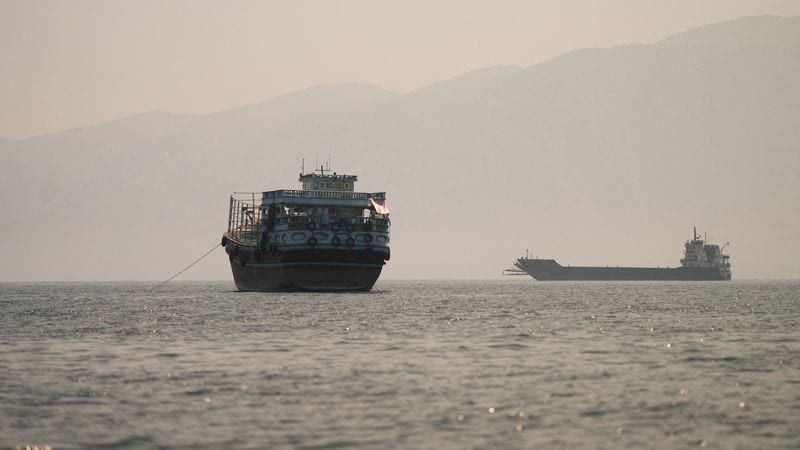
Firms surveyed anticipate costs and prices to rise by approximately 4.7% this year, a projection based on an assumption of oil prices around $90 per barrel. This expectation is higher than current market prices, which have fallen following a ceasefire and the reopening of shipping lanes through the Strait of Hormuz. Brent Meyer, an Atlanta Fed vice president, noted that if oil prices remain at current or lower levels, their contribution to inflation is likely to diminish.
However, some Federal Reserve policymakers are concerned that inflation may be proving persistent due to factors beyond energy shocks, such as rising services prices. The bulk of U.S. consumer spending is in services, which have seen annual price increases around 3.5% for over a year, a rate higher than in the years preceding the COVID-19 pandemic. Chicago Fed President Austan Goolsbee expressed concern about this persistent services inflation.
This backdrop has led to a shift in expectations regarding monetary policy. While the Fed held interest rates steady at its recent meeting, new projections indicate that half of its policymakers now anticipate a rate increase later this year. This contrasts with earlier expectations at the start of the year that borrowing costs would decline.