Key facts
- A senior adviser to China's central bank indicated potential for interest rate cuts in 2026.
A senior adviser to China's central bank indicated that interest rates could be cut this year, but emphasized a preference for targeted economic support over broad monetary easing. The comments align with recent signals from the PBOC regarding potential adjustments to policy rates and reserve requirements.
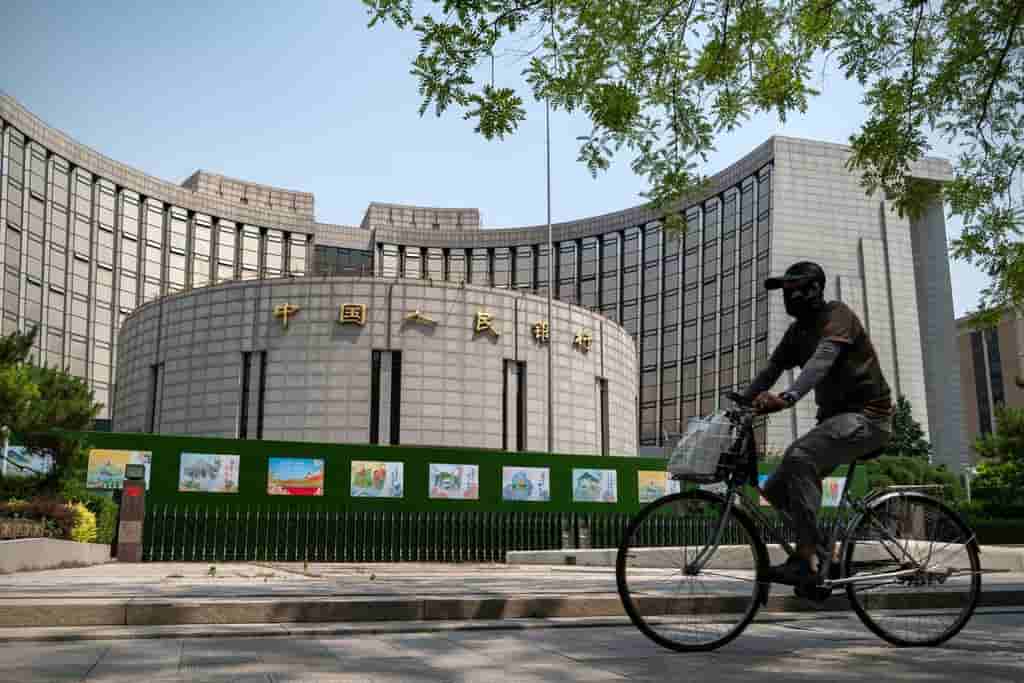
The comments from a PBOC adviser provide insight into China's monetary policy direction, suggesting a cautious approach that prioritizes targeted support for specific economic sectors over broad stimulus. This signals potential shifts in liquidity and credit availability that could impact various industries and investment strategies within China.
A senior adviser to the People's Bank of China (PBOC) has indicated that interest rates may still be cut in 2026, though he emphasized that the economy requires more targeted support for technological innovation and improving livelihoods rather than broad monetary easing. Huang Yiping, a member of the PBOC's monetary policy committee, stated in an interview that a rate cut is "on the table" but expressed uncertainty about its definite occurrence.
These comments align with recent signals from PBOC Deputy Governor Zou Lan, who on January 15, 2026, noted "some space" to lower both the reserve requirement ratio and policy rates. On the same day, the PBOC reduced the interest rate on structural monetary policy tools by 0.25 percentage points, bringing the one-year relending facility rate to 1.25%.
The adviser's preferred approach centers on three pillars: innovation, consumption, and livelihoods. Beijing's goal is to shift from an investment- and export-driven economic model to one fueled by domestic consumer spending, a transition acknowledged to be long-term. China has set a softer growth target for 2026, suggesting an understanding that reshaping the spending habits of its large population is not a short-term endeavor.
Notably, the adviser's commentary did not mention cryptocurrencies or digital assets, indicating that China's effective ban on crypto trading and mining remains in place. The reserve requirement ratio is highlighted as a key metric to watch, as a reduction could free up significant bank capital for lending and inject liquidity into the financial system.