Key facts
- European Central Bank President Christine Lagarde called for discussions on the undervaluation of the Chinese yuan.
- Lagarde cited IMF research suggesting the yuan is 15-16% undervalued when adjusted for inflation.
- She stated that currency undervaluation is a factor in global economic imbalances, alongside China's trade surpluses and Europe's underinvestment.
- Lagarde rejected the notion of a new Plaza Accord to strengthen the yuan, noting different economic conditions compared to 1985.
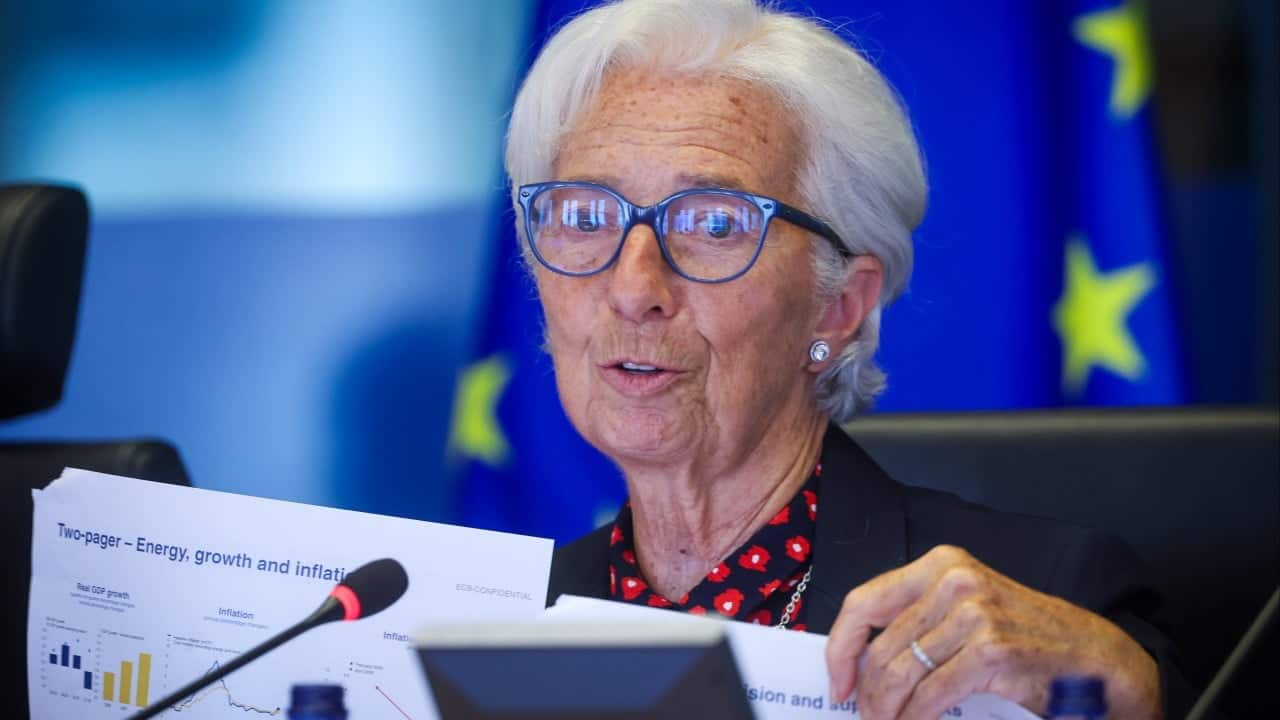
European Central Bank President Christine Lagarde has called for global leaders to address the undervaluation of the Chinese yuan, identifying it as a significant factor contributing to global economic imbalances. Speaking in Brussels, Lagarde referenced International Monetary Fund research indicating that the renminbi is approximately 15% to 16% undervalued when adjusted for international inflation differences.
Lagarde highlighted that these imbalances, which also include China's substantial trade surpluses and Europe's struggles with underinvestment, are a major concern for global economic stability. She noted that Europe has found it increasingly difficult to compete with Chinese goods, which are often cheaper due to currency factors, impacting sectors like high-end automobiles.