Key facts
- The South Korean won has depreciated 5.92% against the U.S. dollar year-to-date.
- Foreign investors sold a net 156.56 trillion won in South Korean shares through July 3.
- The average exchange rate for the first half of 2026 was 1,484.56 won per dollar.
- This first-half average is the second-highest on record, following 1998.
- The won's weakness is linked to substantial foreign selling of domestic equities.
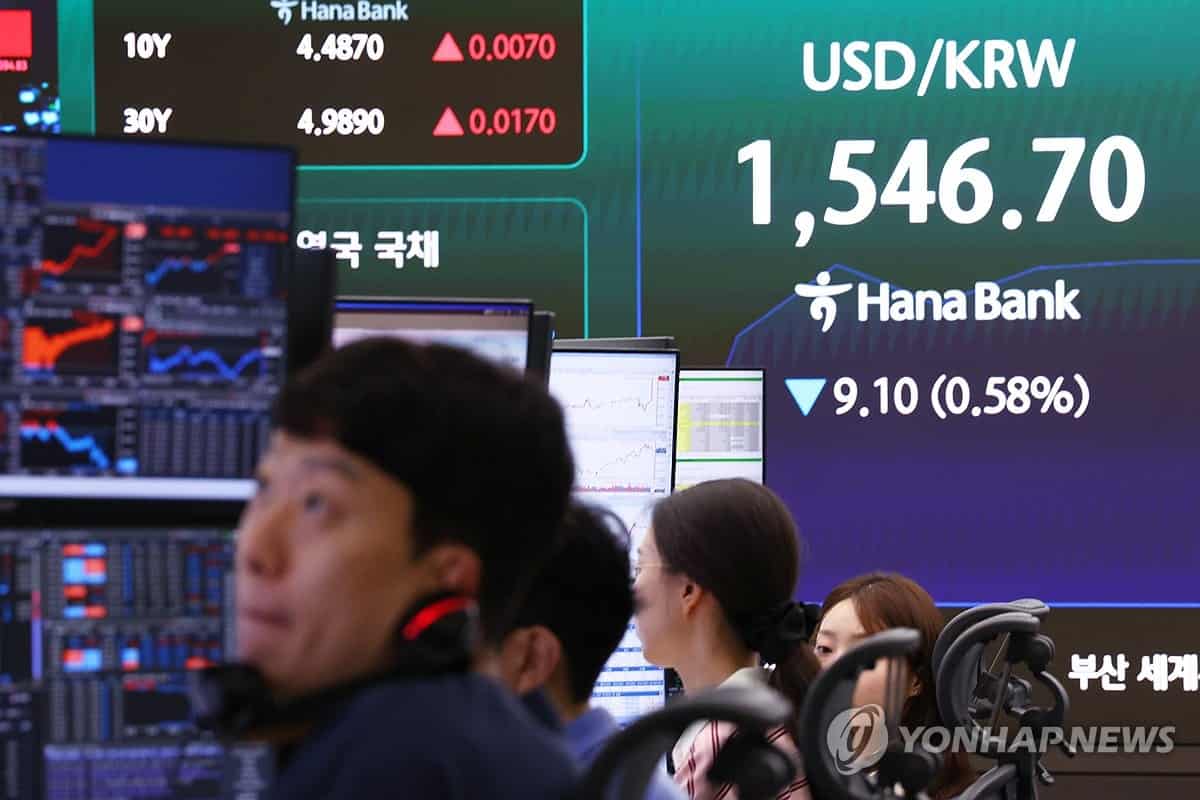
The South Korean won has experienced a significant decline against the U.S. dollar in 2026, falling by nearly 6 percent year-to-date. Data from the Bank of Korea revealed that the average exchange rate during the first half of the year stood at 1,484.56 won per dollar. This figure represents the second-highest first-half average on record, surpassed only by the rate seen during the 1998 Asian financial crisis.
The won's weakness is largely attributed to a substantial sell-off of domestic stocks by foreign investors, who have divested over 156 trillion won (approximately $102.3 billion) from the benchmark KOSPI market. This level of foreign selling is more than five times greater than that recorded in 2008, the year of the global financial crisis.
The exchange rate briefly surpassed the 1,500-won mark in March, influenced by geopolitical tensions in the Middle East, and again in mid-May, where it has largely remained since. The currency's performance places it among the weakest major currencies globally, with only the Turkish lira and Indonesian rupiah showing larger declines among G20 currencies.