Key facts
- Federal Reserve Chair Kevin Warsh announced new task forces to review monetary policy areas.
- The Fed's benchmark interest rate was held steady at 3.5% to 3.75%.
- Warsh stated the Fed cannot significantly affect prices of specific goods like gas and groceries but aims to prevent broader inflation.
- Task forces will focus on communication, balance sheet, data sources, inflation framework, and productivity/jobs.
- Recommendations from these task forces are anticipated this fall.
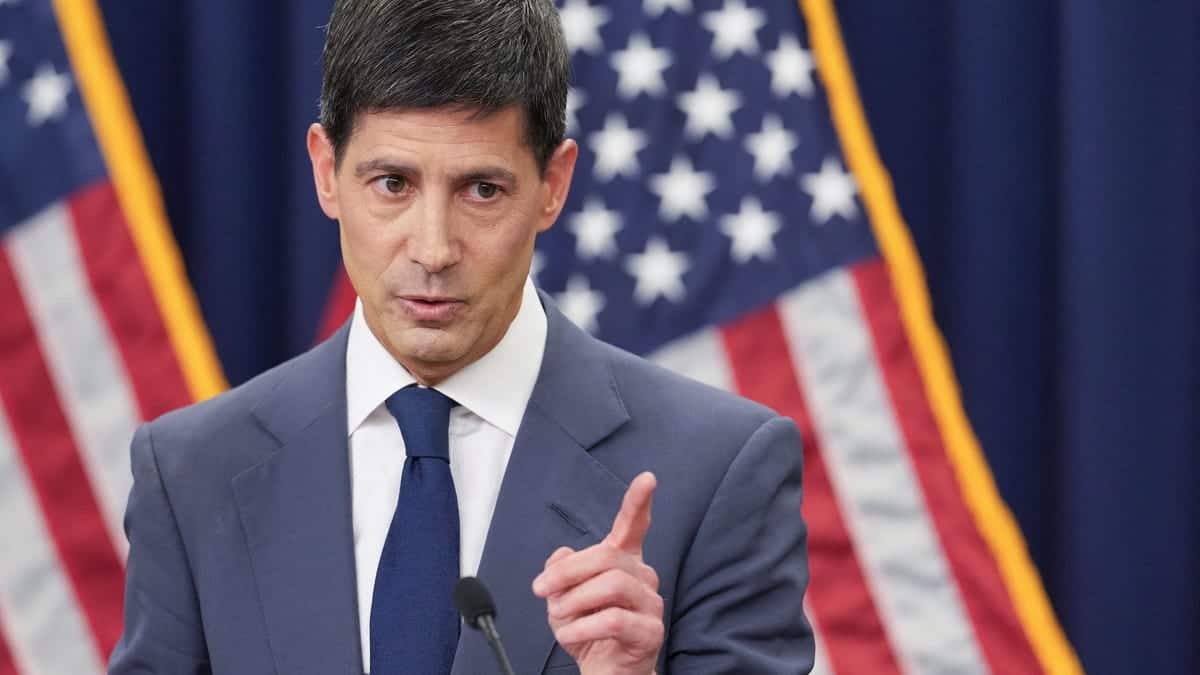
Kevin Warsh presided over his first Federal Reserve meeting as chair, during which the central bank decided to keep its benchmark interest rate unchanged at a range of 3.5% to 3.75%. Despite the lack of immediate change for consumers facing high borrowing costs, Warsh promised the Fed's commitment to delivering price stability.
Warsh emphasized that while the Fed has limited influence over specific prices like gas and groceries, its role is to prevent these fluctuations from broadening into the wider economy. He announced the formation of new task forces focused on five key areas of monetary policy: the Fed's communication, its balance sheet, its use of data sources, its inflation framework, and productivity and jobs.
These task forces, to be comprised of both internal and external experts, are expected to begin work within weeks and provide recommendations to policymakers in the fall. This initiative signals a potential shift in how the central bank operates and approaches its mandate. While nine FOMC members anticipate a rate hike before the end of 2026, compared to eight who expect the rate to hold steady and one who sees a cut, the immediate impact on consumers is minimal. Savers, however, may continue to benefit from elevated interest rates on savings accounts and CDs.