HomeEverything
Equities & FundsCrypto & Digital AssetsAI & TechnologyBusiness & CorporateUS Politics & PolicyGeopolitics & Global RiskMacro, Rates & FXCommodities & EnergyEuropean Politics & MarketsAsia-PacificReal Estate & Property
← All Stories

Japan's Yen Weakness Poses Risk to US Bond Market

Created at 1 Jul · 7:15 AM1 source↑ Market-relevant
IN SHORT

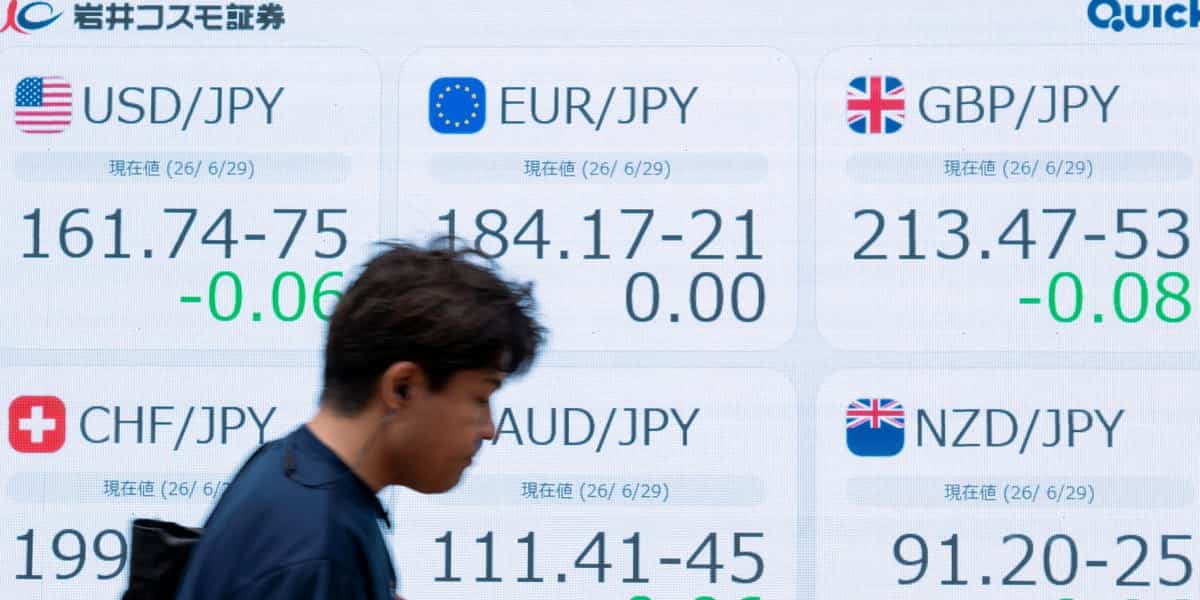
Japan's yen has fallen to a nearly 40-year low against the dollar, raising concerns that official intervention could lead to sales of US Treasurys. As Japan is the largest foreign holder of US debt, significant selling could impact the global bond market.

✉Newsletter

PiQ Daily

Pick your topics. Get only what matters, on your cadence.

Key Numbers

1986year yen last at this level vs dollar
162.7yen per dollar in early trading
$75 billionfall in Japan's foreign securities holdings in May

Who's Involved

Satsuki Katayama
Japan's Finance Minister
Chris Turner
ING's global head of markets
Nigel Green
CEO of deVere Group
Fabien Yip
IG market analyst
Chris Weston
Pepperstone's head of research
Japan's Yen Weakness Poses Risk to US Bond Market

↳ Why This Matters

The yen's significant depreciation and the potential for Japanese intervention create a risk for the US Treasury market, as Japan's large holdings of US debt could be sold, impacting yields and market stability.

Key facts

  • The Japanese yen has fallen to its lowest level against the US dollar since 1986.
  • Japan is the largest foreign holder of US Treasury bonds.
  • Intervention to support the yen could involve selling US Treasurys, impacting the bond market.
  • The yen's weakness is driven by the significant interest rate differential between the US and Japan.
  • Japan's Finance Minister has indicated readiness to take action against excessive currency movements.

Japan's yen has fallen to its weakest level against the dollar in nearly 40 years, a development that could pose a challenge to the US bond market. As the largest foreign holder of US Treasurys, any intervention by Japanese authorities to support the yen might involve selling these holdings, potentially impacting the liquidity and stability of the world's largest bond market.

The yen was trading around 162.7 against the dollar early Wednesday, driven by the substantial gap between US and Japanese interest rates, which encourages the carry trade strategy. This strategy involves borrowing in yen and investing in higher-yielding dollar assets.

Despite the currency's slide, Japan's Finance Minister Satsuki Katayama stated on Tuesday that the country is prepared to take "appropriate action" against excessive currency moves. Analysts are questioning the effectiveness of intervention alone, especially while the interest rate differential persists. If Japan is compelled to support the yen over an extended period, it could lead to significant sales of US Treasurys, according to Nigel Green, CEO of deVere Group.

ING's global head of markets, Chris Turner, noted that Japan's foreign reserve data showed a decrease of about $75 billion in foreign securities in May, likely reflecting sales of US Treasurys used in previous efforts to bolster the yen. The upcoming remarks from Federal Reserve Chair Kevin Warsh and the US jobs report could further influence the dollar, while the July 4 holiday might offer a quieter window for potential intervention.

Frequently asked questions

The yen is falling primarily due to the wide interest rate gap between the US and Japan, which encourages the carry trade. Energy costs and a booming stock market also contribute to its weakness.

The carry trade is an investment strategy where investors borrow money in a low-interest-rate currency, like the yen, and invest it in assets denominated in a higher-interest-rate currency, like the US dollar.

Japan could intervene by selling its foreign-exchange reserves, which include a large portfolio of US Treasury bonds, to buy yen in the open market.

Japan is the largest foreign holder of US Treasurys. If they sell these bonds to support the yen, it could increase the supply of US debt, potentially driving up yields and affecting market stability.

What Happens Next

01Remarks from Federal Reserve Chair Kevin Warsh on Wednesday.
02Release of the June US jobs report on Thursday.

Get the newsletter.

Pick the topics you actually care about. We'll email when there's news worth your time, on the cadence you choose. Cancel any time from your account.

Cadence
CME Headlines
  • 10-Year note futures fell on tight labor data.
    30 Jun · 8:23 PM
  • 10-Year note futures fell on tight labor data. 6/30/26
    30 Jun · 8:23 PM
  • Euro futures held near 1.1420 as markets await Sintra forum.
    30 Jun · 7:08 PM

How It Developed

The yen reached its weakest level against the dollar since 1986.
Japan's Finance Minister stated authorities are ready to act against excessive currency moves.
ING noted that selling foreign exchange by Japan involves selling securities, likely US Treasurys.
ING cited a $75 billion drop in Japan's foreign securities holdings in May, potentially from yen support efforts.
deVere Group CEO warned of a risk from large foreign holders of US Treasurys becoming significant sellers.
The yen is under pressure due to the wide interest rate gap between the US and Japan.
The carry trade strategy, borrowing in yen to invest in dollar assets, is a key factor.
The Bank of Japan's unexpected rate hike in summer 2024 briefly impacted the yen and global markets.

Sources

T1
Japan's yen at a 40-year low could become America's bond-market problemBusiness Insider

Related Stories

Yen hits 40-year low vs dollar on rising Treasury yields and Fed hike bets
1 Jul · 12:58 AM
Japan and India move toward direct yen-rupee settlements
30 Jun · 9:40 AM
Meiji Yasuda Life to double JGB purchases
30 Jun · 9:36 PM
Markets Digest Q2 Gains Amid Fed Hike Fears and Iran Talks Stalemate
1 Jul · 4:38 AM
Fed liquidity facilities expected to see quiet quarter-end
30 Jun · 10:10 AM