Key facts
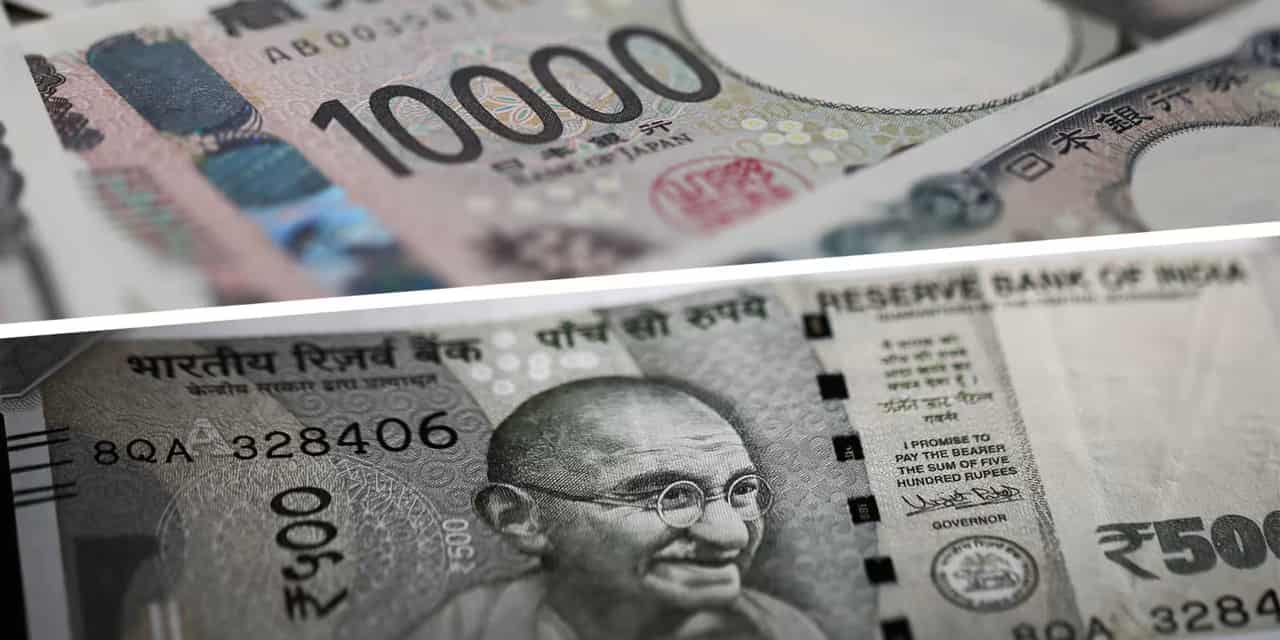
- Japan and India are considering a system for direct yen-rupee transactions, bypassing the U.S. dollar.
- The move is expected to lower foreign-exchange and remittance costs for businesses.
- India's central bank is developing direct rupee reference rates with trade partners.
- This initiative aligns with India's goal to increase the rupee's international usage and achieve developed nation status by 2047.
- India is actively incorporating rupee invoicing in its trade agreement negotiations.
Japan and India are progressing toward establishing a direct settlement system for yen-rupee transactions, aiming to eliminate the U.S. dollar from the process. This initiative, revealed by Nikkei, is anticipated to significantly reduce foreign exchange and remittance expenses for companies operating between the two nations.
India's central bank, the Reserve Bank of India (RBI), is actively pursuing measures to facilitate easier rupee settlements with its free-trade partners. This includes developing direct rupee reference rates that do not rely on a third currency like the U.S. dollar. The RBI has recently established reference rates for the UAE's dirham and Indonesia's rupiah, adding to existing links with the dollar, yen, euro, and pound. Discussions are also underway for reference rates with neighboring countries and Mauritius.
These efforts are part of Prime Minister Narendra Modi's broader strategy to enhance the rupee's international standing, a move that mirrors similar initiatives by China and other regional economies. Increased use of the local currency is seen as a way to lower risks and costs for businesses, decrease reliance on foreign exchange reserves, and make the Indian economy more resilient to external shocks. India views a credible international currency as crucial for its ambition to become a developed nation by 2047, with projections indicating it could surpass Japan as the world's fourth-largest economy this year and rank third by 2027-28.
While India seeks to promote a multi-currency regime for global trade, it is carefully navigating the perception of its actions to avoid being seen as actively pushing for de-dollarization, a move that has drawn criticism from U.S. President Donald Trump. India has denied any intent to undermine the dollar. The rupee has experienced a challenging year, being Asia's worst-performing currency after the rupiah, partly due to significant outflows from local stocks amid concerns over U.S. tariffs. The RBI has intervened with dollar sales to support the currency.
India has existing free-trade agreements with numerous countries and blocs, including the UK, Australia, and the UAE, and is negotiating similar pacts with the U.S., EU, and others. The country is actively discussing rupee invoicing in all these trade negotiations.