Key facts
- Japan's government intervened in foreign exchange markets to buy yen and sell dollars on Thursday.
- U.S. authorities executed a rate check, a move often seen as a precursor to intervention.
- The yen surged from around 159 yen per dollar to briefly reach 155.60 against the dollar in a single day.
- The Bank of Japan maintained its policy interest rate at 0.75% following its monetary policy meeting.
- Market participants reported that the Federal Reserve Bank of New York contacted major banks requesting reference exchange rates.
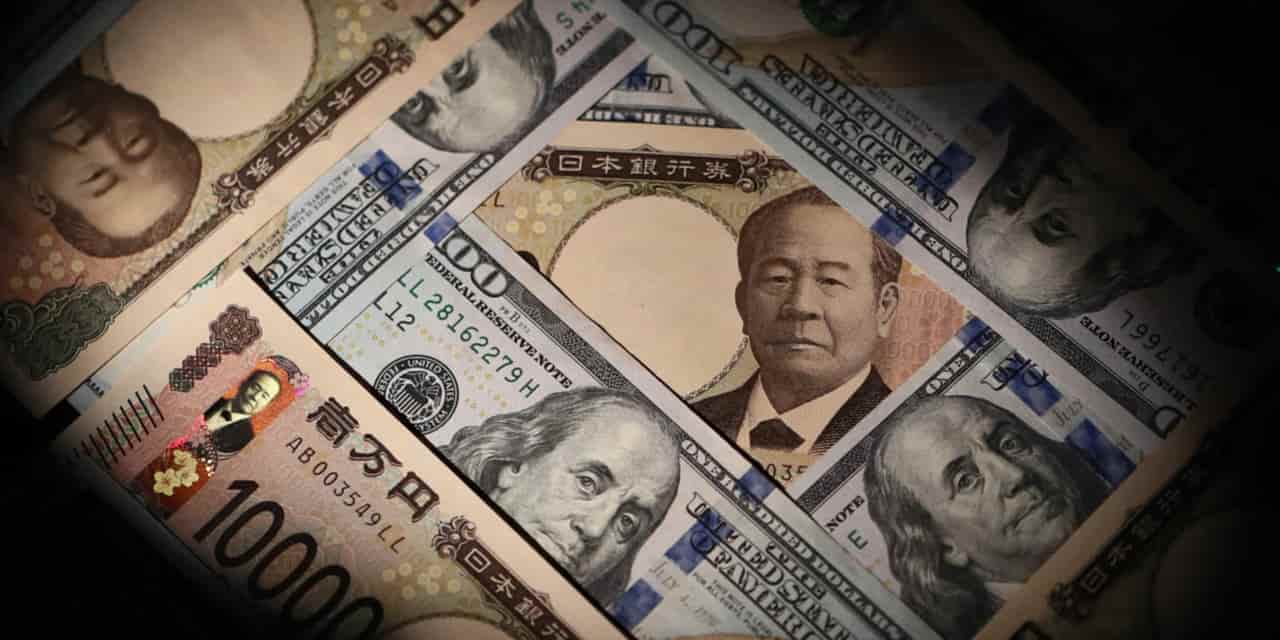
Japan's government intervened in foreign exchange markets to buy yen and sell dollars on Thursday, a move that saw the currency surge against the dollar. This action was accompanied by U.S. authorities executing a "rate check," a signal that monetary authorities inquire with market participants about exchange rates as a precursor to potential intervention.
The yen experienced significant volatility, falling to around 159 yen per dollar after the Bank of Japan's monetary policy meeting, where it decided to maintain its policy interest rate at 0.75%. Governor Kazuo Ueda noted that long-term interest rates were rising but did not provide a timeline for future rate hikes, which markets interpreted as dovish.
However, the yen rapidly appreciated in Tokyo, surging approximately 2 yen in about 10 minutes shortly after the BOJ's press conference. The upward momentum continued in the New York session, with the yen reaching a high of 155.60 against the dollar, marking its largest single-day gain in approximately five months.
Market participants reported that the Federal Reserve Bank of New York had contacted major banks to request reference exchange rates. This coordinated action, potentially involving both Japanese and U.S. authorities, is seen as an effort to address excessive yen weakness. The groundwork for such coordination was reportedly laid during a mid-January meeting between Japanese Finance Minister Satsuki Katayama and U.S. Treasury Secretary Scott Bessent.