All NewsEducationTV
Equities & FundsCrypto & Digital AssetsAI & TechnologyBusiness & CorporateUS Politics & PolicyGeopolitics & Global RiskMacro, Rates & FXCommodities & EnergyEuropean Politics & MarketsAsia-PacificReal Estate & Property
Story archiveAll categories
← All Stories

Japan executives seek FX stability amid weak yen pressure

Created at 10 Aug · 1:07 AM1 source↑ Market-relevant
IN SHORT

Japanese executives are increasingly voicing concerns that currency fluctuations and a persistently weak yen pose risks to the economy. They highlight that while a weaker yen benefits exports, it also increases import costs for raw materials and energy, impacting domestic demand and complicating earnings forecasts.

✉Newsletter

PiQ Daily

Pick your topics. Get only what matters, on your cadence.

Key Numbers

40-yearyen low against dollar
5%yen appreciation after intervention
120–124yen to dollar desirable range
150yen to dollar assumed rate for revisions

Who's Involved

Kenichiro Fujimoto
Chief Financial Officer of Mitsubishi Electric
Norihiko Ishiguro
Chairman of the Japan External Trade Organization (JETRO)
Makoto Tanaka
CFO at trading house Mitsui & Co
Yoshihiro Shimazu
CFO of rival trading house Mitsubishi Corp
Japan executives seek FX stability amid weak yen pressure

↳ Why This Matters

The concerns of Japanese executives highlight the dual impact of a weak yen, which can hinder domestic economic recovery by increasing import costs despite benefiting exporters. This sentiment underscores the challenges faced by policymakers in managing currency stability and economic growth.

Key facts

  • Japanese executives are expressing growing concern over the economic risks posed by currency swings and a weak yen.
  • The yen recently hit a 40-year low against the dollar, prompting a joint Japan-U.S. currency intervention.
  • While a weaker yen benefits exporters, it increases import costs for raw materials and energy, impacting domestic demand.
  • Companies are finding it difficult to forecast earnings and make investment decisions due to high currency volatility.
  • A JETRO survey indicated that a rate of 120-124 yen to the dollar is the most desirable exchange rate for Japanese companies.

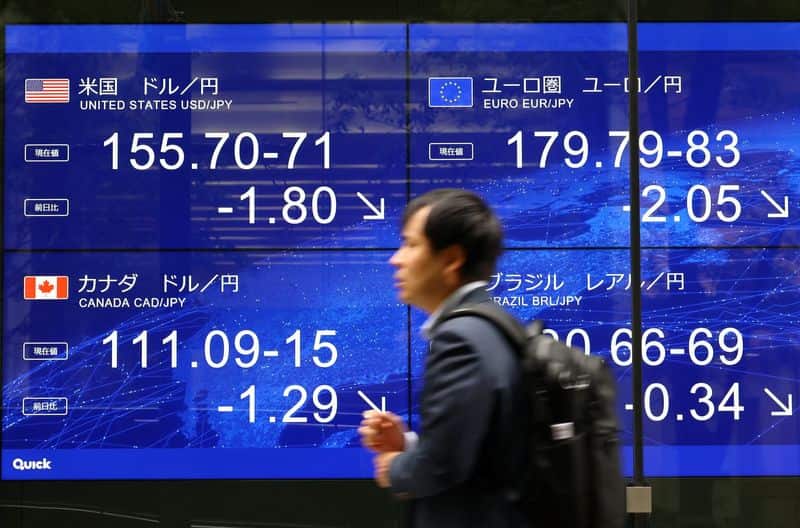
Japanese executives are increasingly voicing concerns that currency fluctuations and a persistently weak yen pose risks to the economy, highlighting issues that triggered a joint Japan-U.S. intervention to support the currency. The yen recently hit a 40-year low against the dollar, prompting intervention that led to a 5% appreciation.

Executives noted that while a weaker yen has advantages for exports, Japanese companies import nearly all their raw materials, leading to increased costs for energy, materials, and food. This weighs on domestic demand and threatens Japan's gradual emergence from deflation. Sharp currency moves also complicate earnings forecasts and investment decisions for companies with global operations.

Companies are calling for market stabilization and reduced volatility. A survey by the Japan External Trade Organization (JETRO) found that a rate of 120-124 yen to the dollar was the most desirable exchange rate range for nearly a fifth of companies, with only 11% preferring a rate above 150 yen to the dollar. However, some executives expressed doubt that the yen would strengthen to previous levels due to Japan's fundamentals and trade balance.

Frequently asked questions

Executives are concerned that currency fluctuations and a persistently weak yen are increasing import costs for raw materials and energy, which weighs on domestic demand and complicates earnings forecasts.

The yen hit a 40-year low at nearly 164 to the dollar in July, prompting a joint Japan-U.S. currency intervention that led to a 5% appreciation.

A JETRO survey found that a rate of 120-124 yen to the dollar was the most desirable range, selected by nearly a fifth of companies.

No, while a weaker yen boosts exports, Japanese companies import most raw materials, so at a certain exchange rate, costs increase, meaning exporters do not always win.

What Happens Next

01Companies will revise their assumed exchange rates as necessary.
02Further market analysis will determine if the yen will strengthen to previous levels.

Get the newsletter.

Pick the topics you actually care about. We'll email when there's news worth your time, on the cadence you choose. Cancel any time from your account.

Cadence
CME Headlines
  • Euro futures rally to eight-week high on shifting rate outlook.
    7 Aug · 9:00 PM
  • Euro futures rally to eight-week high on shifting rate outlook.
    7 Aug · 9:00 PM
  • 2-Year Note futures climbed on negative job creation data.
    7 Aug · 9:00 PM

How It Developed

Japanese executives are increasingly warning that currency swings and a weak yen pose risks to the economy.
A weak yen increases costs for energy, materials, and food, weighing on domestic demand.
Sharp currency moves complicate earnings forecasts and investment decisions for companies.
Executives are calling for market stabilization and reduced volatility.
Some executives believe a rate of 120-130 yen to the dollar may not be seen again due to Japan's fundamentals and trade balance.

Sources

T1
Japan's executives call for FX stability as weak yen intensify import-cost pressureReuters

Related Stories

BOJ debated hastening rate-hike pace in July, summary shows
10 Aug · 12:51 AM
Japan posts first current account deficit in nearly 1-1/2 years
10 Aug · 1:36 AM
Dollar near two-month low ahead of US inflation data
10 Aug · 1:34 AM
Bond Investors Anxious Over Fed's Inflation Stance Amidst Yield Curve Steepening
9 Aug · 9:06 PM
UK jobs market shows signs of stabilisation, REC/KPMG survey finds
9 Aug · 11:20 PM