Key facts
- The Federal Reserve held its benchmark interest rate steady at 3.5%-3.75%.
- Investors reacted by selling long-dated Treasuries, causing yields to surge and inflation expectations to rise.
- The yield curve steepened significantly as short-term yields fell and long-term yields climbed.
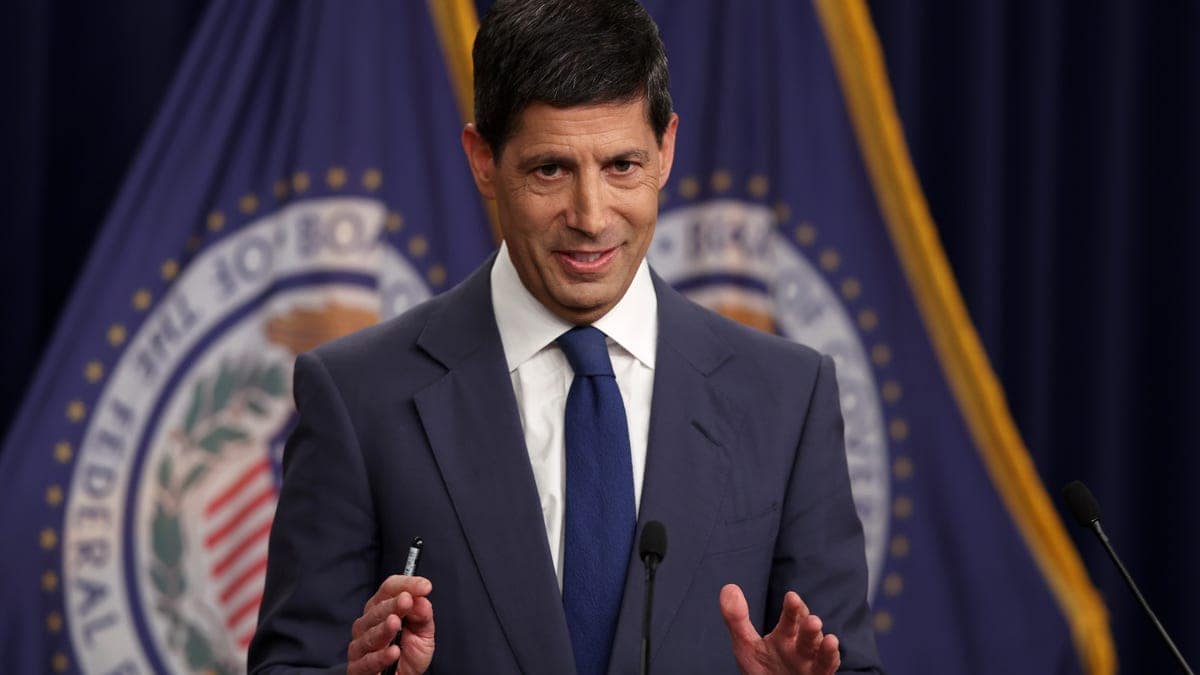
- Fed Chair Kevin Warsh's communication lacked specific forward guidance, increasing market uncertainty.
- The S&P 500 Index dropped 1.5% following the Fed's decision and Chair Warsh's remarks.
Bond investors are signaling growing unease with the Federal Reserve's approach to inflation, particularly after the central bank opted to maintain its benchmark interest rate at 3.5% to 3.75% for a seventh consecutive month. This decision, coupled with Fed Chair Kevin Warsh's communication strategy, has led to a significant steepening of the yield curve, with long-term Treasury yields climbing sharply while short-term yields have fallen.
Following the Federal Open Market Committee (FOMC) meeting, investors reacted by selling 30-year Treasury bonds, driving their yields up by as much as 14 basis points to nearly 5.23%, a level not seen in 19 years. This move, alongside rising inflation expectations and a weakening dollar, contributed to a 1.5% drop in the S&P 500 Index. Market participants are interpreting the yield curve's steepening as a sign that the Fed's policy strategy lacks credibility, with some suggesting that Chair Warsh's hawkish rhetoric without immediate action could lead to the market judging the Fed as being behind the curve on inflation.
Warsh, who was elevated to lead the Fed by President Donald Trump, has consistently stated the central bank's commitment to bringing inflation back to its 2% target. However, his reluctance to provide detailed forward guidance has left markets uncertain about the timing and nature of future policy responses. This ambiguity, combined with a strong economy and persistent inflation, has fueled doubts about the Fed's ability to manage inflation effectively. The presence of three dissenting votes within the FOMC, advocating for an immediate rate hike, further highlighted internal disagreements and added to market apprehension.