Key facts
- The Bank of England is expected to keep interest rates unchanged at 3.75%.
- Inflation data for the prior month was 2.8%, remaining below expectations.
The FTSE 100 is poised for a downturn as markets await the Bank of England's interest rate decision. Oil prices have fallen following a US-Iran peace deal, averting a feared economic catastrophe. Inflation remains a key concern, with potential for further rises.
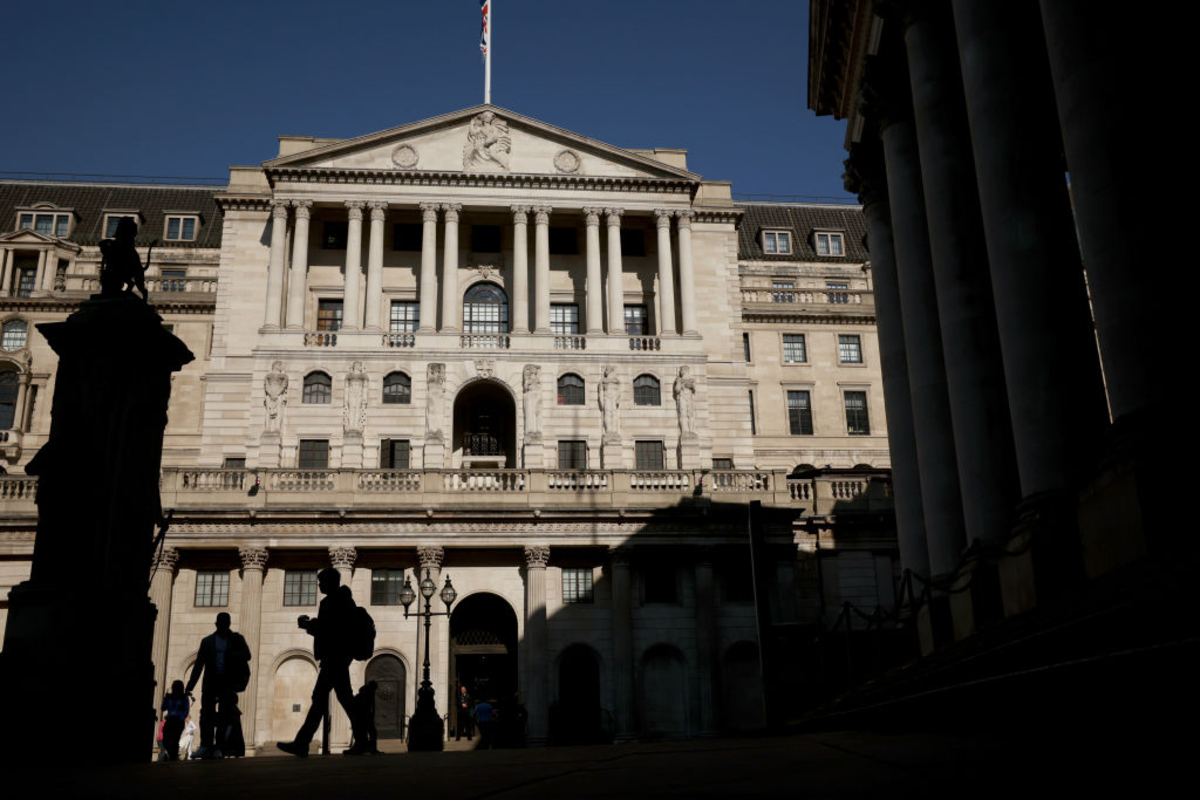
The Bank of England's interest rate decision, coupled with inflation data and geopolitical developments impacting oil prices, will shape market sentiment and economic outlook for the UK and globally. The outcome of the US-Iran deal directly influences energy costs and broader economic stability.
The FTSE 100 is anticipated to experience a decline as investors await the Bank of England's interest rate decision. Rates are widely expected to remain at 3.75% as the Monetary Policy Committee assesses the impact of a recent US-Iran peace deal and ongoing inflation concerns.
Inflation figures for the previous month held steady at 2.8%, below expectations. However, economists caution that inflation could climb towards 4% by late 2026 or early 2027, with a potential worst-case scenario reaching 6%. The stability of the Strait of Hormuz, following the peace agreement, and business conduct are seen as critical factors influencing future price trends.
President Donald Trump announced a 14-point accord with Iran, which he described as a significant victory for the United States. Iran's chief negotiator, however, characterized it as a record of US 'failure.' The news contributed to a drop in Brent crude oil prices, which fell to $77 per barrel. Trump emphasized that the deal averted a 'worldwide depression' and ensured the re-opening of the Strait of Hormuz, which he had previously threatened to secure by force if necessary.