Key facts
- The Federal Reserve voted to maintain interest rates between 3.5% and 3.75%.
The Federal Reserve voted to keep interest rates unchanged at its latest meeting, but divisions emerged as three officials dissented, favoring a rate hike due to persistent inflation concerns.
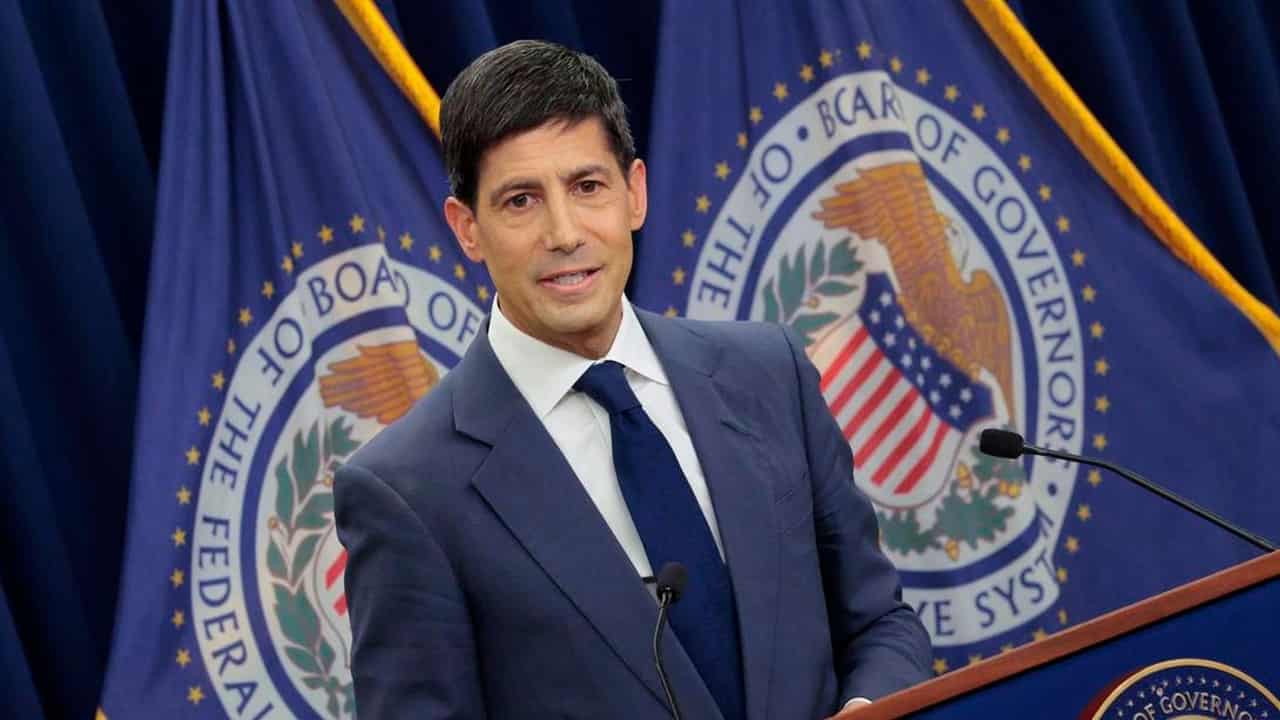
The dissent among Federal Reserve officials signals ongoing debate about how to combat inflation, potentially leading to future rate hikes and impacting borrowing costs and economic growth.
The Federal Reserve decided to keep interest rates unchanged at its latest meeting, but internal divisions over policy intensified due to persistent inflation concerns. The Federal Open Market Committee voted 9-3 to hold the benchmark interest rate between 3.5% and 3.75%. Dallas Fed president Lorie Logan, Minneapolis Fed president Neel Kashkari, and Cleveland Fed president Beth Hammack dissented, each advocating for a rate hike. This marks a significant shift from the previous month's unanimous decision to maintain rates.
Federal Reserve Chairman Kevin Warsh has stated that the central bank has "no tolerance for persistently elevated inflation" and is committed to restoring price stability. Other officials, including Logan, Hammack, and Fed Governor Christopher Waller, have also signaled support for tighter monetary policy. "Many" participants in the FOMC's June meeting indicated that interest rates would be within or slightly below their current range by year-end, while "many other" participants assessed that rates would be higher, highlighting the policy division.
Analysts at Bank of America anticipate three quarter-point rate hikes this year, potentially pushing interest rates to between 4.25% and 4.5%, citing rising oil prices that have driven inflation to multiyear highs. The central bank's preferred inflation gauge, the core consumption expenditures index, rose at its fastest rate in nearly three years in May.