Key facts
- The US dollar index fell 0.2% to 99.23, retreating from a two-month high.
- The euro and British pound saw gains against the dollar.
- The Japanese yen traded near the critical 160 per dollar level.
- Renewed Iranian attacks on Kuwait and US strikes near the Strait of Hormuz complicated peace prospects.
- The European Central Bank is expected to raise its deposit rate to 2.25% on June 11.
- The Bank of Japan governor signaled a June rate hike.
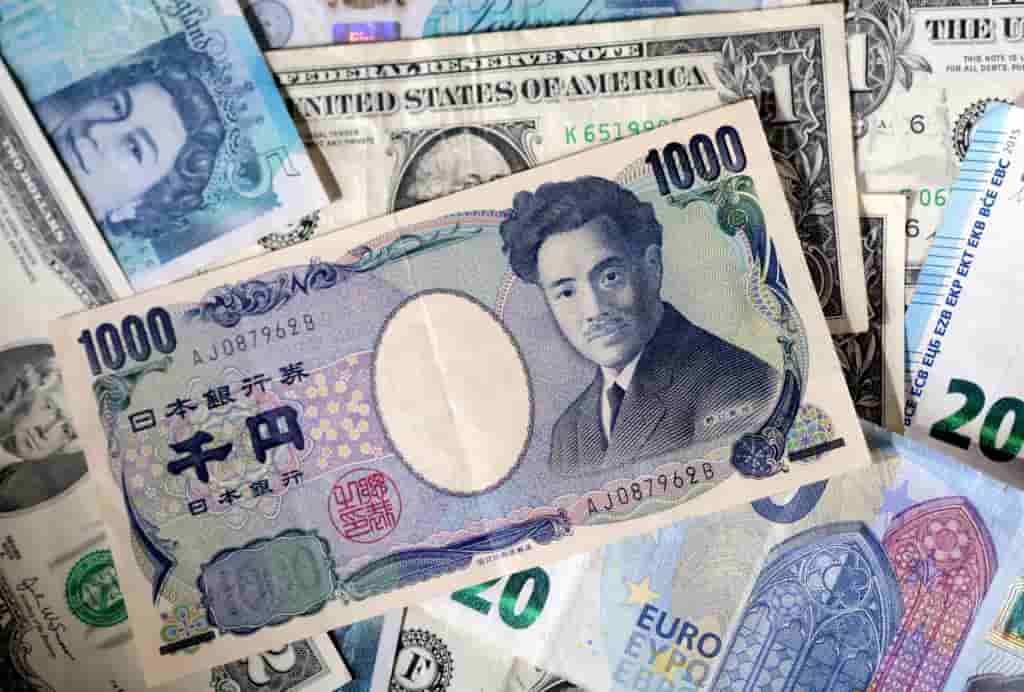
The US dollar retreated from a two-month high on Thursday as optimism surrounding a potential ceasefire in Lebanon increased, while the Japanese yen hovered near the critical 160 per dollar level, sparking market vigilance for potential intervention.
Lebanese President Joseph Aoun stated that a ceasefire would take effect within 24 hours of approval from all parties involved. Iran has indicated that a ceasefire in Lebanon is a crucial step towards broader peace talks, though Hezbollah has yet to comment.
The euro gained 0.3% to US$1.164, and the British pound also climbed 0.3% to US$1.346. A Reuters poll suggests the European Central Bank will raise its deposit rate to 2.25% on June 11 to combat inflation.
The US dollar index, tracking the greenback against major currencies, fell 0.2% to 99.23, down from its previous session's two-month peak of 99.56. This decline was partly influenced by hopes for a diplomatic resolution to regional conflicts.
However, renewed hostilities complicated prospects for peace. Iranian attacks on Kuwait damaged its airport and injured dozens on Wednesday, while the US military conducted strikes near the Strait of Hormuz. "It’s hard to argue against dollar strength at this juncture," said Francesco Pesole, currency strategist at ING, citing the resilience of the US economy and doubts about peace talks as factors supporting the dollar.
The risk-sensitive Australian dollar rose 0.2% to US$0.714. Data released Wednesday showed that prices paid by US services businesses surged in May, reaching their highest level in nearly four years. This reinforces expectations that the US Federal Reserve will maintain current interest rates well into 2027.
The Japanese yen was trading at 159.81 per dollar, recovering from earlier lows that breached the 160 mark for the first time since April 30, prompting verbal warnings from authorities. The 160 level is widely considered a threshold for potential official intervention.
Bank of Japan Governor Kazuo Ueda reinforced the narrative for a June rate hike, expressing concern about inflation risks exacerbated by the Iran war's energy shock. "The hawkish tone has strengthened further, including a clear expression of concern about behind-the-curve risk," wrote Naohiko Baba, head of Japan research and chief Japan economist at Barclays, maintaining a call for a June rate hike.
Bitcoin experienced a downturn, hitting a four-month low of US$61,344 and was last trading 4% lower at US$62,256.