All NewsEducationTV
Equities & FundsCrypto & Digital AssetsAI & TechnologyBusiness & CorporateUS Politics & PolicyGeopolitics & Global RiskMacro, Rates & FXCommodities & EnergyEuropean Politics & MarketsAsia-PacificReal Estate & Property
Story archiveAll categories
← All Stories

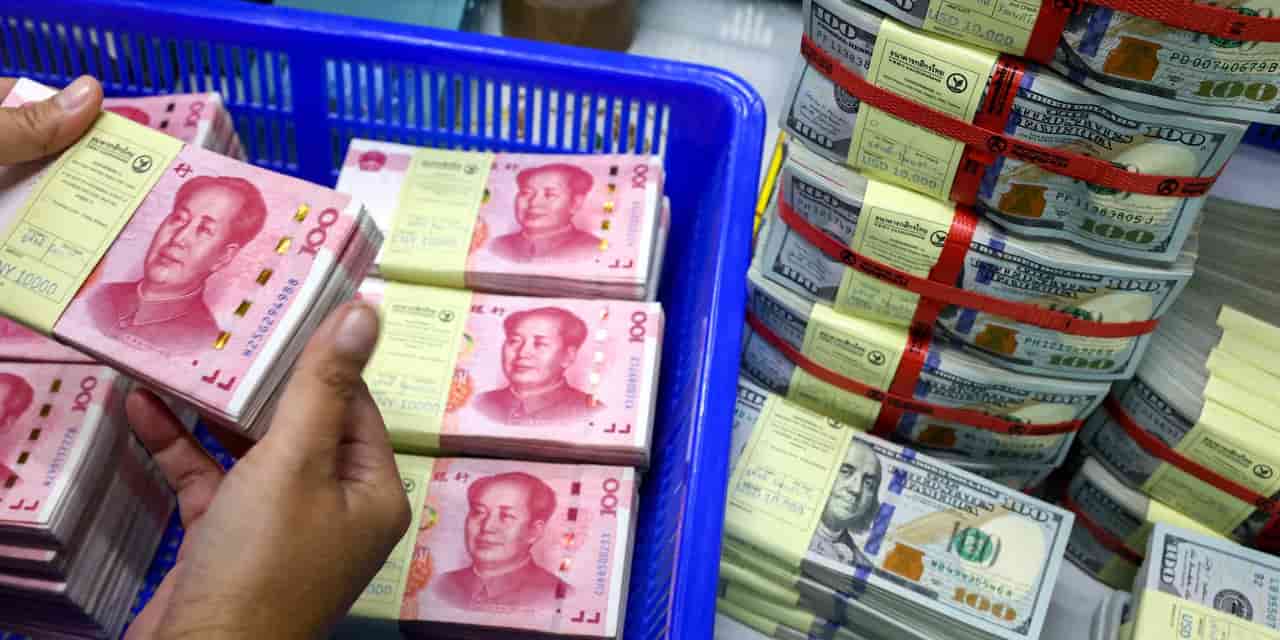
China steadies yuan as exporters feel currency squeeze

Created at 13 Aug · 3:27 AM1 source↑ Market-relevant
IN SHORT

China's policymakers are attempting to stabilize the yuan's appreciation, which is negatively impacting exporters' earnings. The currency's strength makes Chinese goods more expensive globally, complicating Beijing's efforts to balance export competitiveness, capital flow management, and renminbi internationalization.

✉Newsletter

PiQ Daily

Pick your topics. Get only what matters, on your cadence.

Key Numbers

5.6-5.8%yuan appreciation against dollar over past year
25%Chinese firms reporting FX losses
6.83-6.85current USD/CNY rate
6.7target USD/CNY rate by end of quarter
$70 billiondividends planned by HK-listed mainland firms
3-4%renminbi share of global payments and reserves

Who's Involved

Policymakers
attempting to stabilize the yuan's appreciation
Chinese exporters
facing profit warnings due to currency losses
George Magnus
commentator on China's export-driven growth
President Macron
warned of unbearable trade imbalances
Goldman Sachs
called for major yuan appreciation in 2025
IMF
reportedly still sees yuan depreciation pressure
Bloomberg
reported on state bank activity
China steadies yuan as exporters feel currency squeeze

↳ Why This Matters

The yuan's appreciation poses a significant challenge to China's export-driven economy, potentially slowing growth and complicating Beijing's broader economic and internationalization goals. It also has implications for global trade dynamics and currency markets, including the US dollar.

Key facts

  • Chinese exporters are experiencing profit warnings and foreign exchange losses due to the yuan's appreciation.
  • Policymakers are intervening to slow the yuan's rapid gains.
  • The strengthening yuan makes Chinese exports more expensive, impacting competitiveness.
  • China faces a balancing act between export competitiveness, capital flow management, and currency internationalization.
  • A stronger yuan can reduce import costs and put downward pressure on the US dollar index.

Chinese policymakers are intervening to slow the yuan's appreciation, which is creating financial strain for exporters. The currency's strength, approximately 5.6-5.8% against the dollar over the past year, is leading to foreign exchange losses for about 25% of Chinese firms. This situation presents a policy dilemma for Beijing, as exports remain a key growth engine for the uneven economic recovery.

The yuan's current exchange rate is around 6.83-6.85 against the dollar, with analysts anticipating a move toward 6.7 by the end of the quarter. This trajectory could further impact export-dependent firms that price contracts in dollars but incur costs in yuan. Mainland companies listed in Hong Kong are planning significant dividend distributions, totaling nearly $70 billion, which is prompting foreign exchange hedging activities and could create short-term pressure on the yuan.

Beijing is navigating a complex balancing act. A stronger yuan undermines export competitiveness by making Chinese goods more expensive globally. Simultaneously, it can attract speculative capital inflows, requiring careful management of China's largely closed financial account. A stable or gradually appreciating yuan is also crucial for the renminbi's internationalization agenda, which currently accounts for about 3-4% of global payments and reserves.

From a broader perspective, the stronger yuan reduces import costs for Chinese consumers and businesses, helping to curb imported inflation and potentially putting downward pressure on the US dollar index. For crypto markets, historical correlations suggest that periods of yuan weakness have seen increased capital flows into assets like Bitcoin as investors seek dollar-denominated stores of value; a stronger yuan may reduce this pressure.

Frequently asked questions

A stronger yuan makes Chinese goods more expensive for foreign buyers, reducing demand. It also means that dollar-denominated revenues translate into fewer yuan when repatriated, impacting profit margins for companies that pay costs in yuan.

China aims to balance maintaining export competitiveness, managing capital flows to prevent destabilizing inflows or outflows, and supporting the renminbi's internationalization. These goals can sometimes conflict.

A stronger yuan can put downward pressure on the US dollar index, as it may signal a shift in global currency dynamics and potentially reduce demand for the dollar as a safe-haven asset.

Historically, periods of yuan weakness have correlated with increased capital flows into Bitcoin as Chinese investors sought dollar-denominated assets. A stronger yuan may reduce this particular driver for Bitcoin demand.

What Happens Next

01Analysts are watching for further yuan appreciation toward 6.7 per dollar.
02Investors are monitoring dividend payouts and their impact on yuan volatility.
03Market participants are assessing the effectiveness of China's currency stabilization efforts.

Get the newsletter.

Pick the topics you actually care about. We'll email when there's news worth your time, on the cadence you choose. Cancel any time from your account.

Cadence
CME Headlines
  • Expansion of the Listing Schedule of Certain CME and CBOT Adjusted Interest Rate Total Return Index Futures Contracts
    12 Aug · 11:00 PM
  • 10-Year T-Note futures hold slight gains following in-line U.S. CPI data.
    12 Aug · 9:24 PM
  • 10-Year T-Note futures hold slight gains following in-line U.S. CPI data.
    12 Aug · 9:24 PM

How It Developed

Chinese exporters are reporting foreign exchange losses due to the yuan's appreciation.
Policymakers are working to slow the pace of yuan appreciation.
The yuan's strength makes Chinese goods more expensive internationally.
A stronger yuan can attract speculative inflows, complicating capital flow management.
A stable or gradually appreciating yuan supports renminbi internationalization.
The yuan's appreciation puts downward pressure on the US dollar index.
A wave of dividend payouts from Hong Kong-listed mainland firms is creating short-term pressure on the yuan.

Sources

T1
China steadies yuan as exporters feel currency squeezeNikkei Asia
T2
China's Currency is Now Facing Substantial Appreciation Pressurecfr.org
T2
China faces exporter strain as yuan strengthens, complicating Beijing's ...cryptobriefing.com
T2
China firms ramp up FX hedging as yuan strength threatens export earningsinvestinglive.com

Related Stories

China central bank vows timely policy, avoids explicit rate cuts
12 Aug · 11:44 AM
PBOC Signals Diversified Loan Pricing Benchmarks, Greater Focus on Overnight Rates
12 Aug · 6:31 PM
Australia central banker says rate hikes working as intended
13 Aug · 1:04 AM
US Treasury Secretary Bessent Backs Yen Intervention
12 Aug · 8:06 AM
Japan wholesale inflation surges, bolsters rate-hike chance
13 Aug · 12:08 AM