HomeEverythingEducation
Equities & FundsCrypto & Digital AssetsAI & TechnologyBusiness & CorporateUS Politics & PolicyGeopolitics & Global RiskMacro, Rates & FXCommodities & EnergyEuropean Politics & MarketsAsia-PacificReal Estate & Property
← All Stories

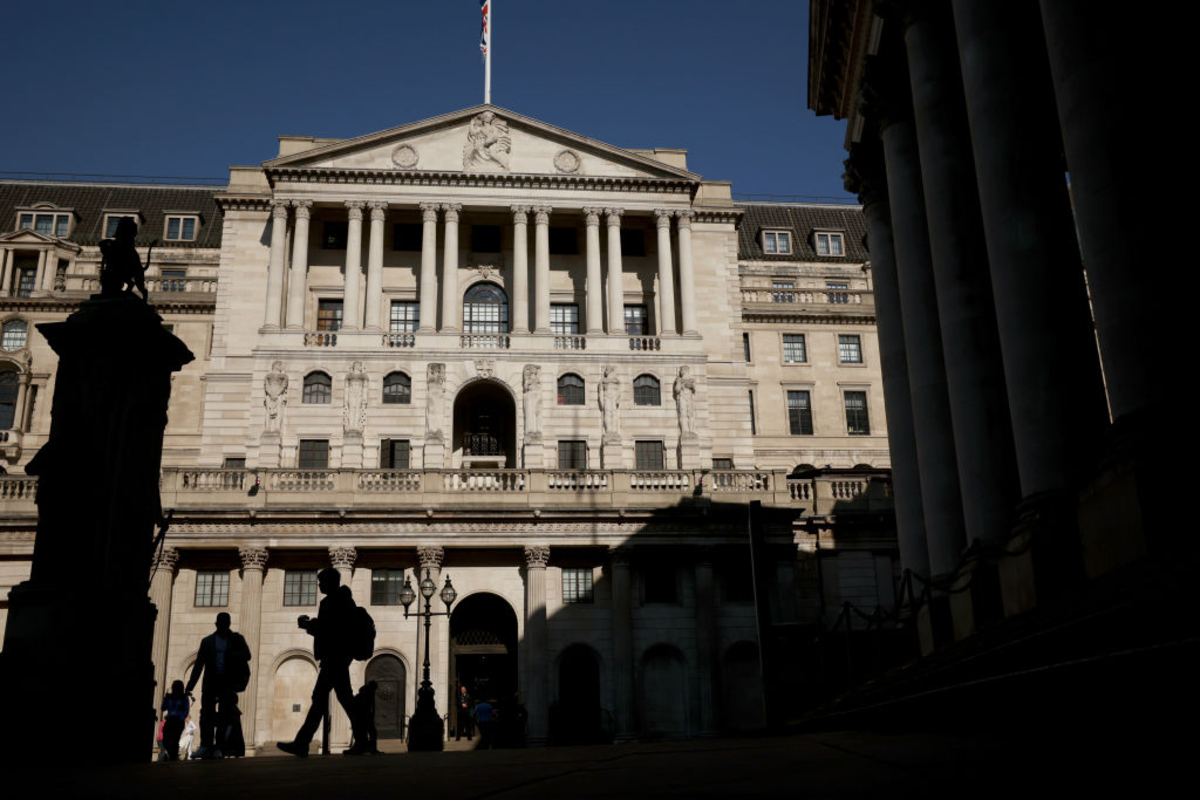
Bank of England to relax capital rules despite warning of economic threats

Created at 7 Jul · 10:45 AM2 sources↑ Market-relevant
IN SHORT

The Bank of England plans to loosen capital requirements for major UK lenders, including cutting the countercyclical leverage buffer. Policymakers expressed concern about financial stability risks from rapid AI developments and debt-fueled stock investments.

✉Newsletter

PiQ Daily

Pick your topics. Get only what matters, on your cadence.

Key Numbers

20 basis pointsaverage reduction in leverage ratio
13%new minimum capital requirement
14%previous minimum capital requirement

Who's Involved

Bank of England
central bank proposing capital rule reforms
Financial Policy Committee
Bank of England committee setting capital rules
NatWest, Lloyds, Nationwide and Santander UK
major UK lenders that could benefit from reforms
Bank of England to relax capital rules despite warning of economic threats

↳ Why This Matters

The Bank of England's decision to relax capital rules, despite acknowledging significant risks from AI and market leverage, could impact the resilience of the UK financial system and potentially influence lending activity and economic growth.

Key facts

  • The Bank of England plans to relax capital requirements for major UK lenders.
  • The reforms aim to make capital requirements more proportionate and effective.
  • The Bank warned of increased financial stability risks due to AI capabilities and cyber vulnerabilities.
  • The countercyclical leverage buffer will be cut as part of the simplification.
  • The minimum capital requirement was reduced from 14% to 13%.

The Bank of England is planning to loosen capital requirements for major UK lenders, even as policymakers expressed concern about the threat to financial stability from rapid AI developments and debt-fuelled stock investments. The central bank said it is looking to remove and loosen some rules introduced after the 2008 financial crisis that determine the size of the financial cushion required to absorb losses.

The Bank’s Financial Policy Committee (FPC) said it plans to scrap a longstanding buffer within the leverage ratio, a move that would primarily benefit large domestic-focused banks and building societies. Current proposals could slash those lenders’ leverage ratio by 20 basis points on average, potentially spurring further lending that supports the wider UK economy. However, some committee members raised concerns that trimming these buffers could amplify current risks to the financial system, potentially increasing market-based leverage.

The FPC also raised concerns about rapid advances in frontier AI capabilities, which have increased financial stability risks related to cyber and operational resilience. Malicious actors could inflict shocks and outages at lower costs and at a greater scale, potentially hitting banks and systemically important financial firms. The FPC has reduced the minimum capital requirement for lenders from 14% to 13%.

Frequently asked questions

The Bank of England is proposing to relax capital requirements for major UK lenders, including cutting the countercyclical leverage buffer and reducing the minimum capital requirement from 14% to 13%.

The Bank is concerned about financial stability risks from rapid AI developments, increased cyber and operational vulnerabilities, and debt-fuelled stock investments that could amplify market-based leverage.

The reforms would primarily benefit the largest of the UK’s domestic-focused banks and building societies, including NatWest, Lloyds, Nationwide and Santander UK.

What Happens Next

01The FPC will conduct a review to identify financial stability gaps by the end of September.
02The Bank of England will put the proposals out for consultation.
03A package of capital changes will be put forward for consultation in early 2027.

Get the newsletter.

Pick the topics you actually care about. We'll email when there's news worth your time, on the cadence you choose. Cancel any time from your account.

Cadence
CME Headlines
  • 10-Year Treasury futures slipped as yields held at 4.48%.
    6 Jul · 8:25 PM
  • 10-Year Treasury futures slipped as yields held at 4.48%.
    6 Jul · 8:25 PM
  • Japanese Yen futures fell back toward multi-decade lows.
    6 Jul · 7:01 PM

How It Developed

The Bank of England plans to ease UK banks' capital rules despite warnings of economic threats.
Policymakers expressed concern about the threat to financial stability from rapid AI developments and debt-fuelled stock investments.
The Bank of England is looking to remove and loosen some rules introduced after the 2008 financial crisis.
The Financial Policy Committee (FPC) plans to scrap a longstanding buffer within the leverage ratio.
Current proposals could slash lenders’ leverage ratio by 20 basis points on average.
Some FPC members were concerned that trimming buffers could amplify current risks to the financial system.
The FPC raised concerns about developments in AI, which increased cyber risks significantly.
The FPC has reduced the minimum capital requirement for lenders from 14% to 13%.

Sources

T1
BoE plans to ease capital rules despite fears on AI stability threatThe Guardian
T1
Bank of England to relax capital rules despite warning of economic threatsCity AM

Related Stories

Panetta: Eurozone central banks may face fiscal dominance pressure
6 Jul · 5:10 PM
Bank of Israel cuts key rate to 3.5% amid stable inflation and lower energy prices
6 Jul · 2:55 PM
Canadian businesses ease inflation outlook after Middle East ceasefire, BoC survey shows
6 Jul · 3:41 PM
Japan denies pressuring BOJ on rates, defends fiscal plans
7 Jul · 4:47 AM
UK pension costs to triple national debt to 300% of GDP, OBR warns
7 Jul · 10:40 AM