Key facts
- The Bank of Canada is expected to hold its overnight rate at 2.25% on July 15.
- Inflation rose to 3.2% in May, exceeding the central bank's target range.
- A majority of economists predict rates will remain unchanged until at least July 2027.
- Inflation is forecast to average 2.6% in 2026, with core inflation at 2.1%.
- Canada's economic growth is projected to average 1.8% in 2027.
- The U.S. declined to extend the U.S.-Mexico-Canada Agreement (USMCA).
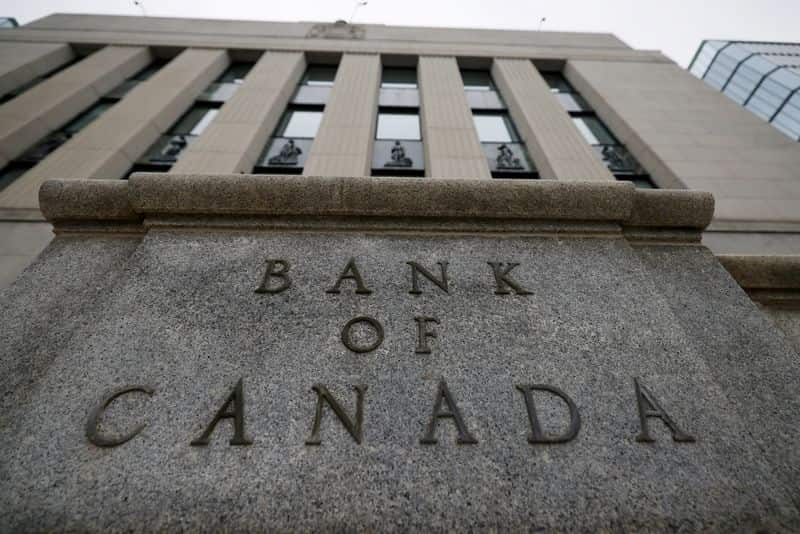
The Bank of Canada is anticipated to maintain its overnight rate at 2.25% on July 15 and hold it steady well into 2026, according to a Reuters poll of economists. Despite inflation rising to 3.2% in May, breaching the central bank's target range for the first time since December 2023, price pressures are expected to moderate in the coming months.
All 36 economists surveyed predicted no change to the policy rate next week. A majority, 19 out of 30, forecast that borrowing costs will remain at current levels until at least July 2027. This outlook is supported by signs of economic recovery in the spring and stability in core inflation measures, reducing the urgency for rate adjustments.
Inflation is projected to average 2.6% in 2026, with core inflation at 2.1%, positioning Canada favorably to absorb economic shocks. Economic growth is expected to average 1.8% in 2027, a significant increase from an estimated 0.7% this year. These optimistic forecasts persist despite the Trump administration's recent decision not to extend the U.S.-Mexico-Canada Agreement (USMCA), which has an annual review process for the next decade.
Economists largely view the risk of the U.S. withdrawing from the USMCA as low, citing the economic benefits of the deal for all participating parties. The current unemployment rate is expected to average around 6.6% in 2026.