Key facts
- The Japanese yen is nearing a 40-year low and is set for a weekly decline.
- Traders are watching for potential intervention from Japanese authorities.
- Renewed Middle East hostilities are a concern for energy prices and global inflation.
- The dollar has eased but is largely unchanged for the week against the yen.
- The British pound is near its strongest level against the yen since 2007.
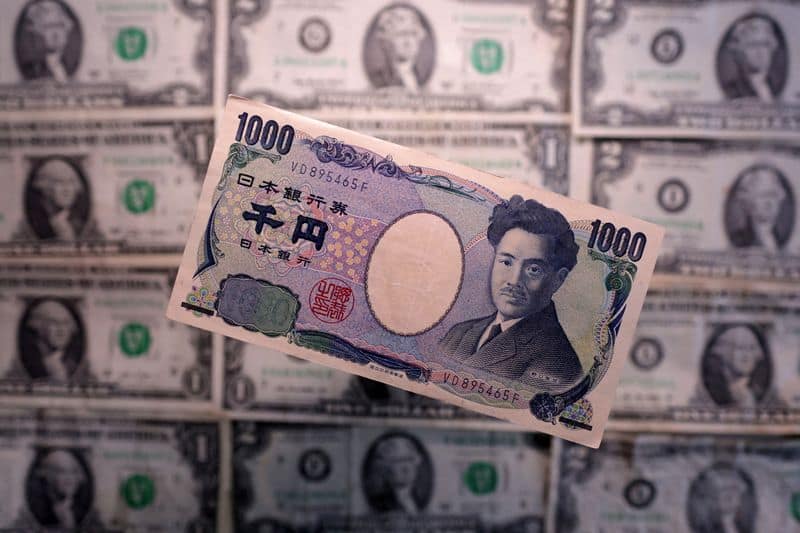
The Japanese yen weakened significantly, nearing a 40-year low and on track for a weekly decline, prompting concerns about potential intervention by Japanese authorities. Renewed hostilities in the Middle East are also contributing to market uncertainty, with potential implications for energy prices and global inflation.
Despite flaring tensions between the U.S. and Iran, investors largely brushed off the conflict, with oil prices falling and stocks rallying. However, the fragile ceasefire's breakdown has reintroduced concerns about energy markets and inflation. Thierry Wizman, global FX and rates strategist at Macquarie Group, noted the lingering threat of war and its potential impact on control of the Strait of Hormuz.
The dollar saw a slight dip but remained relatively stable for the week, with safe-haven gains offset by reduced expectations of a Federal Reserve rate hike. Against the yen, the dollar traded near a four-decade peak and was set for a weekly gain. Analysts at Goldman Sachs suggested that without a fundamental shift in macro conditions, such as higher U.S. yields or improved fiscal concerns in Japan, the yen is likely to continue weakening.
The British pound was trading near its strongest level against the yen since 2007, while the euro also showed gains against the Japanese currency for the week. In other currency movements, the euro and sterling edged higher against the dollar. The New Zealand dollar strengthened against the U.S. dollar following a rate hike by the Reserve Bank of New Zealand (RBNZ), which also signaled further tightening ahead. Westpac forecasts additional rate hikes by the RBNZ in the coming months.