Key facts
- The ongoing conflict in Gaza is freezing the professional development of young doctors.
- Doctors are prevented from specializing in essential medical fields.
- This disruption creates a long-term shortage of medical expertise.
- The shortage will hinder future healthcare reconstruction efforts in Gaza.
- The crisis impacts a generation of physicians.
- Specialized care will be difficult to replace.
- Training programs have been halted due to the war.
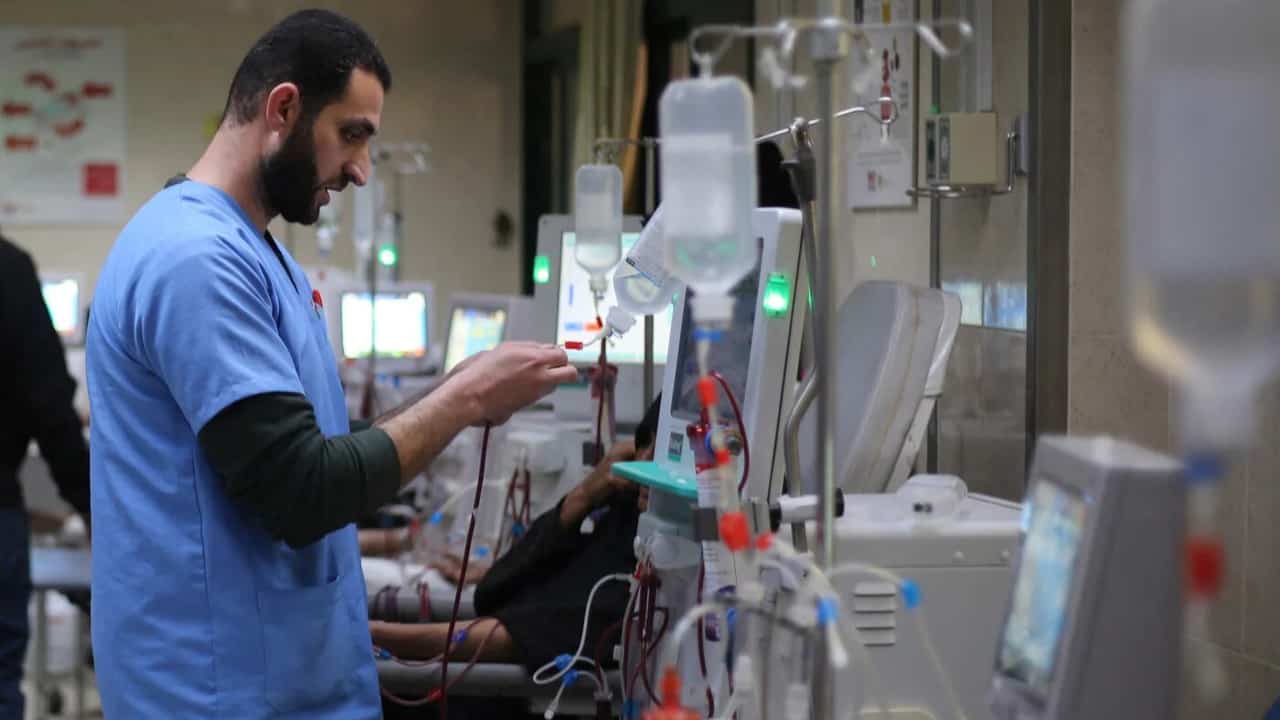
A generation of young doctors in Gaza finds their professional development frozen due to the ongoing conflict, jeopardizing the future of healthcare in the region. The war has halted crucial training programs, preventing physicians from specializing in essential medical fields. This disruption creates a significant long-term shortage of medical expertise, which will be vital for the reconstruction of Gaza's healthcare infrastructure once the conflict subsides. The crisis impacts a generation of physicians, leaving a gap in specialized care that will be challenging to address. The inability to pursue advanced training means that doctors are unable to gain the necessary skills and knowledge in areas such as surgery, internal medicine, pediatrics, and other critical specialties. This lack of specialization will have a profound and lasting effect on the quality and availability of medical services for the Gazan population. The international community and local health authorities face a daunting task in rebuilding the healthcare system, which is already severely strained by the conflict. The loss of specialized medical professionals is a critical consequence that extends beyond immediate medical needs, affecting the long-term recovery and resilience of Gaza.