Key facts
- Chinese President Xi Jinping is hosting global leaders in 2026.
Chinese President Xi Jinping is actively engaging with global leaders in 2026, including Donald Trump and Vladimir Putin, to bolster China's international standing and promote a multipolar world order. Concurrently, China's rhetoric accusing Japan of 'new militarism' is gaining traction in South Asian nations like Pakistan and Bangladesh, particularly after Japanese Prime Minister Sanae Takaichi's remarks on a potential Taiwan emergency. Adding to China's diplomatic efforts, Foreign Minister Wang Yi is set to tour Nordic countries—Denmark, Sweden, Finland, and Norway—from July 2-8 for high-level discussions.
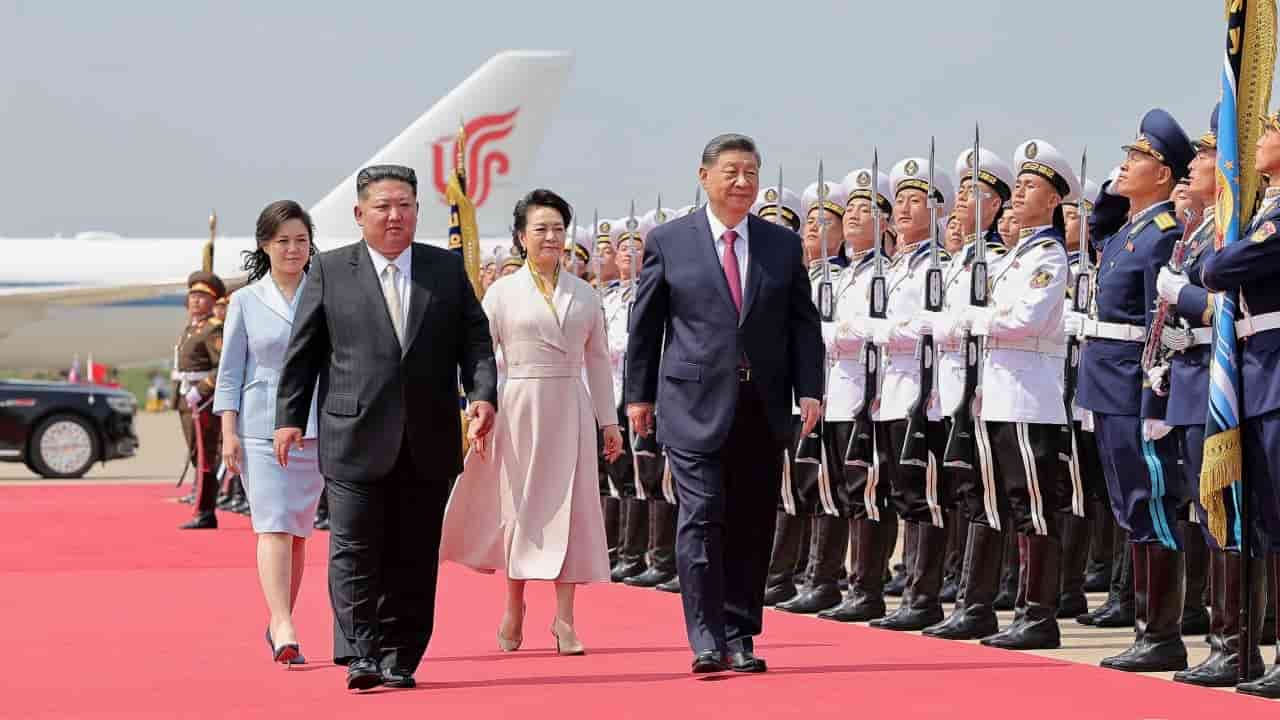
Chinese President Xi Jinping is hosting numerous world leaders in 2026, a diplomatic push aimed at showcasing China's expanding global influence amidst escalating geopolitical tensions. Among the notable figures meeting with Xi are U.S. President Donald Trump and Russian President Vladimir Putin. These high-level engagements are intended to foster an alternative multipolar world order and deepen economic partnerships.
In parallel, China's narrative accusing Japan of pursuing 'new militarism' is finding receptive audiences beyond its traditional allies. Nations such as Pakistan and Bangladesh are reportedly resonating with this rhetoric, which follows comments made by Japanese Prime Minister Sanae Takaichi concerning a hypothetical emergency involving Taiwan. This diplomatic outreach extends to other regions as well, with China's Foreign Minister Wang Yi scheduled for a visit to Nordic countries from July 2-8. The itinerary includes Denmark, Sweden, Finland, and Norway, where Wang Yi will engage in discussions with his counterparts. This Nordic tour follows a recent meeting between Wang Yi and Danish Foreign Minister Lars Løkke Rasmussen in Beijing, indicating ongoing diplomatic dialogues.
The broader context for these diplomatic maneuvers includes rising geopolitical tensions and China's strategic efforts to reshape the global order. Hosting world leaders like Trump and Putin signifies an attempt to assert China's position as a central player on the international stage. The resonance of China's 'new militarism' rhetoric in Pakistan and Bangladesh suggests a potential alignment of interests or a shared concern regarding regional security dynamics, particularly in relation to Japan's stance on Taiwan. Wang Yi's visit to the Nordic nations further underscores China's expansive diplomatic agenda, seeking to build bridges and strengthen ties across diverse geographical areas.
Chinese President Xi Jinping is hosting numerous world leaders in 2026, a diplomatic push aimed at showcasing China's expanding global influence amidst escalating geopolitical tensions. Among the notable figures meeting with Xi are U.S. President Donald Trump and Russian President Vladimir Putin. These high-level engagements are intended to foster an alternative multipolar world order and deepen economic partnerships.