WHO: Over 10,000 attacks on healthcare since 2018, no justice served | PiQ Markets
2 storiesGeopolitics & Global RiskRussia-Ukraine war (frontline, weapons, peace talks)Middle East conflict (Israel-Gaza, Lebanon, Iran)
WHO: Over 10,000 attacks on healthcare since 2018, no justice served
window 24h
IN SHORT
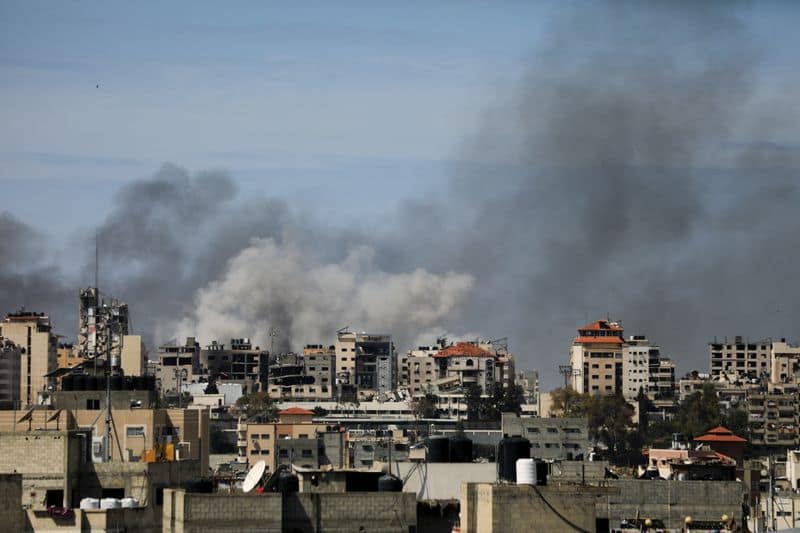
Over 650,000 refugees in South Sudan are at risk of losing food aid due to a severe funding shortfall, UN agencies have warned. This potential cutback could compel some refugees to return to Sudan, a country experiencing conflict. Separately, the World Health Organization reported more than 10,000 attacks on healthcare facilities globally since 2018, leading to thousands of casualties without any perpetrators facing justice. In 2026, these attacks averaged over four per day, with Ukraine, Lebanon, and Palestinian territories being the most impacted regions.
✉Newsletter
PiQ Daily
Pick your topics. Get only what matters, on your cadence.
Key Numbers
650,000refugees in South Sudan at risk of aid cuts
10,000attacks on healthcare facilities since 2018
fourdaily attacks on healthcare in 2026
Who's Involved
UN agencies
warned of aid cuts for refugees in South Sudan
World Health Organization
reported on attacks on healthcare facilities
Ukraine
region most affected by healthcare attacks
Lebanon
region most affected by healthcare attacks
Palestinian territories
region most affected by healthcare attacks
1 / 2
Key facts
Over 650,000 refugees in South Sudan face potential loss of food aid.
A severe funding shortfall is the cause of the potential aid cuts.
Refugees may be forced to return to conflict-ridden Sudan.
The World Health Organization reported over 10,000 attacks on healthcare facilities since 2018.
These attacks have resulted in thousands of deaths and injuries.
No perpetrators have been brought to justice for the attacks on healthcare.
Attacks on healthcare averaged over four daily in 2026.
Ukraine, Lebanon, and Palestinian territories are the most affected regions by healthcare attacks.
UN agencies have issued a stark warning regarding a severe funding shortfall that threatens the provision of essential aid to over 650,000 refugees currently residing in South Sudan. These refugees are at risk of losing their food aid within a matter of weeks if the funding gap is not addressed. The potential cessation of aid could create dire circumstances, potentially forcing some refugees to make the perilous decision to return to Sudan, a nation grappling with ongoing conflict.
In a separate development concerning global crises, the World Health Organization (WHO) has documented over 10,000 attacks targeting healthcare facilities since 2018. These attacks have resulted in thousands of deaths and injuries. Crucially, the WHO report highlights a complete lack of accountability, stating that no perpetrators have been brought to justice for these actions. The frequency of such attacks has been alarming, with an average of more than four attacks occurring daily in 2026. The regions most severely affected by these assaults on healthcare include Ukraine, Lebanon, and the Palestinian territories.
↳ Why This Matters
UN agencies have issued a stark warning regarding a severe funding shortfall that threatens the provision of essential aid to over 650,000 refugees currently residing in South Sudan. These refugees are at risk of losing their food aid within a matter of weeks if the funding gap is not addressed. The potential cessation of aid could create dire circumstances, potentially forcing some refugees to make the perilous decision to return to Sudan, a nation grappling with ongoing conflict.
Frequently asked questions
The World Health Organization reported an average of more than four attacks per day on healthcare facilities, workers, and patients in conflict zones in 2026.
Ukraine, Lebanon, and the occupied Palestinian territory account for the largest share of reported incidents.
These attacks have resulted in at least 911 deaths and 1,486 injuries in 2026. They also disrupt medical services, leading to reduced patient consultations and hindering disease outbreak responses.
Yes, health facilities are protected under international humanitarian law and the Geneva Conventions.
What Happens Next
01The WHO will continue to monitor and verify attacks on healthcare facilities.
02International bodies will likely continue to call for accountability for attacks on healthcare.
Get the newsletter.
Pick the topics you actually care about. We'll email when there's news worth your time, on the cadence you choose. Cancel any time from your account.