All NewsEducationTV
Equities & FundsCrypto & Digital AssetsAI & TechnologyBusiness & CorporateUS Politics & PolicyGeopolitics & Global RiskMacro, Rates & FXCommodities & EnergyEuropean Politics & MarketsAsia-PacificReal Estate & Property
Story archiveAll categories
← All Stories

Attacks on healthcare in conflict zones average over four daily in 2026, WHO reports

Created at 14 Aug · 10:11 AM1 source↑ Market-relevant
IN SHORT

The World Health Organization reported that attacks on healthcare in conflict zones have risen to an average of more than four per day in 2026. Between January and August, over 900 incidents resulted in at least 900 deaths and 1,400 injuries.

✉Newsletter

PiQ Daily

Pick your topics. Get only what matters, on your cadence.

Key Numbers

4+average daily attacks on healthcare in conflict zones in 2026
900+attacks recorded between January and August 2026
900deaths from healthcare attacks
1,400+injuries from healthcare attacks
36hospitals damaged in Gaza
37%health facilities non-functional in Sudan
3,100+attacks verified in Ukraine since invasion
10,400+verified attacks since 2018
5,700deaths from verified attacks since 2018
8,500+injuries from verified attacks since 2018

Who's Involved

World Health Organization
reported rise in attacks on healthcare in conflict zones
Altaf Musani
Director of Humanitarian and Disaster Management at WHO
Attacks on healthcare in conflict zones average over four daily in 2026, WHO reports

↳ Why This Matters

The escalating attacks on healthcare in conflict zones pose a severe threat to civilian populations, disrupting essential medical services, leading to preventable deaths and injuries, and undermining global health security by hindering responses to disease outbreaks.

Key facts

  • Attacks on healthcare in conflict zones averaged more than four per day in 2026.
  • Over 900 attacks occurred between January and August 2026, causing at least 900 deaths and 1,400 injuries.
  • Ukraine, Lebanon, and the occupied Palestinian territory are the most affected areas.
  • Health facilities are protected under international humanitarian law and the Geneva Conventions.

Attacks on healthcare facilities, workers, and patients in conflict zones have escalated in 2026, averaging more than four incidents daily, according to the World Health Organization. Between January and August, over 900 such attacks were recorded, resulting in at least 900 deaths and more than 1,400 injuries.

Ukraine, Lebanon, and the occupied Palestinian territory represent the largest share of reported incidents. Other affected countries include Iran, Sudan, Myanmar, Syria, Nigeria, and the Democratic Republic of Congo. The violence encompasses the use of heavy weapons, destruction of health facilities, and the detention or abduction of healthcare personnel and patients, with 94 healthcare workers detained during this period.

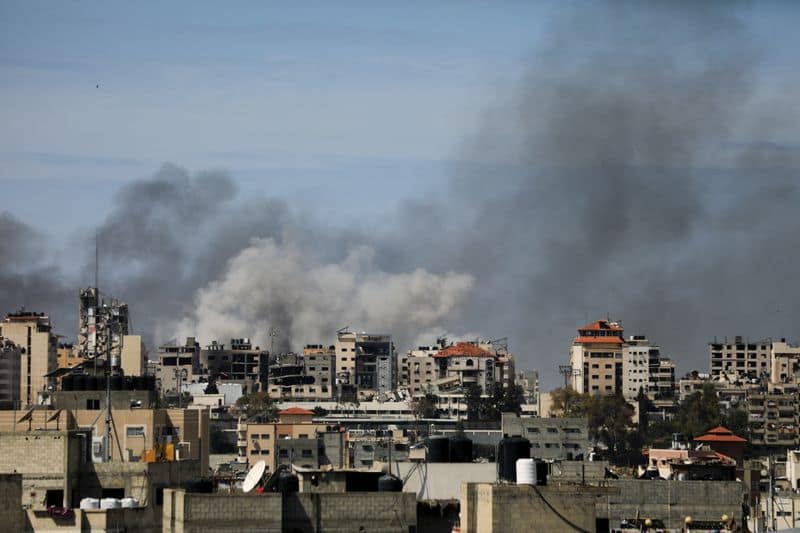
In Gaza, all 36 hospitals have sustained damage, with only about half remaining partially functional. Sudan reported 37% of its health facilities as non-functional this year. Since Russia's full-scale invasion, the WHO has verified over 3,100 attacks in Ukraine, including a recent strike on a WHO warehouse.

An attack on healthcare has lasting consequences, impacting patient care and the ability of ambulances to make referrals. A WHO study in northwest Syria found that outpatient consultations dropped by 51% immediately following an attack and remained low for over a month. In the Democratic Republic of Congo, 12 verified attacks on healthcare during an Ebola outbreak disrupted crucial response efforts, hindering the detection and containment of the disease.

Since the WHO began tracking these incidents in 2018, more than 10,400 attacks have been verified across 29 countries and territories, leading to approximately 5,700 deaths and over 8,500 injuries. The WHO noted that none of these verified attacks have yet entered an accountability process, despite health facilities being protected under international humanitarian law and the Geneva Conventions.

Frequently asked questions

The World Health Organization reported an average of more than four attacks per day on healthcare facilities, workers, and patients in conflict zones in 2026.

Ukraine, Lebanon, and the occupied Palestinian territory account for the largest share of reported incidents.

These attacks have resulted in at least 900 deaths and over 1,400 injuries. They also disrupt medical services, leading to reduced patient consultations and hindering disease outbreak responses.

Yes, health facilities are protected under international humanitarian law and the Geneva Conventions.

What Happens Next

01The WHO will continue to monitor and verify attacks on healthcare facilities.
02International bodies will likely continue to call for accountability for attacks on healthcare.

Get the newsletter.

Pick the topics you actually care about. We'll email when there's news worth your time, on the cadence you choose. Cancel any time from your account.

Cadence

How It Developed

Attacks on healthcare facilities, workers, and patients in conflict zones have increased in 2026.
The World Health Organization reported an average of more than four attacks per day.
Over 900 attacks were recorded between January and August 2026.
These attacks resulted in at least 900 deaths and over 1,400 injuries.
Ukraine, Lebanon, and the occupied Palestinian territory account for the largest share of incidents.
Attacks have also been recorded in Iran, Sudan, Myanmar, Syria, Nigeria, and the Democratic Republic of Congo.
Forms of violence include heavy weapons, destruction of facilities, and detention of healthcare workers.
In Gaza, all 36 hospitals are damaged, with only half partially functional.

Sources

T1
Attacks on healthcare in conflict zones averaging more than four a day in 2026, World Health Organization saysReuters

Related Stories

Civilian deaths in Ukraine jumped in July as Russia hit cities, UN says
14 Aug · 10:06 AM
South Sudan refugees face aid cuts amid funding shortfall
14 Aug · 11:09 AM
Russian attacks kill at least 4, injure 60 across Ukraine over past day
14 Aug · 10:45 AM
Paediatric war wounds highlight ongoing conflict impact in Lebanon
14 Aug · 6:56 AM
UN warns Yemen faces highest risk of major conflict since 2022 truce
13 Aug · 4:47 PM