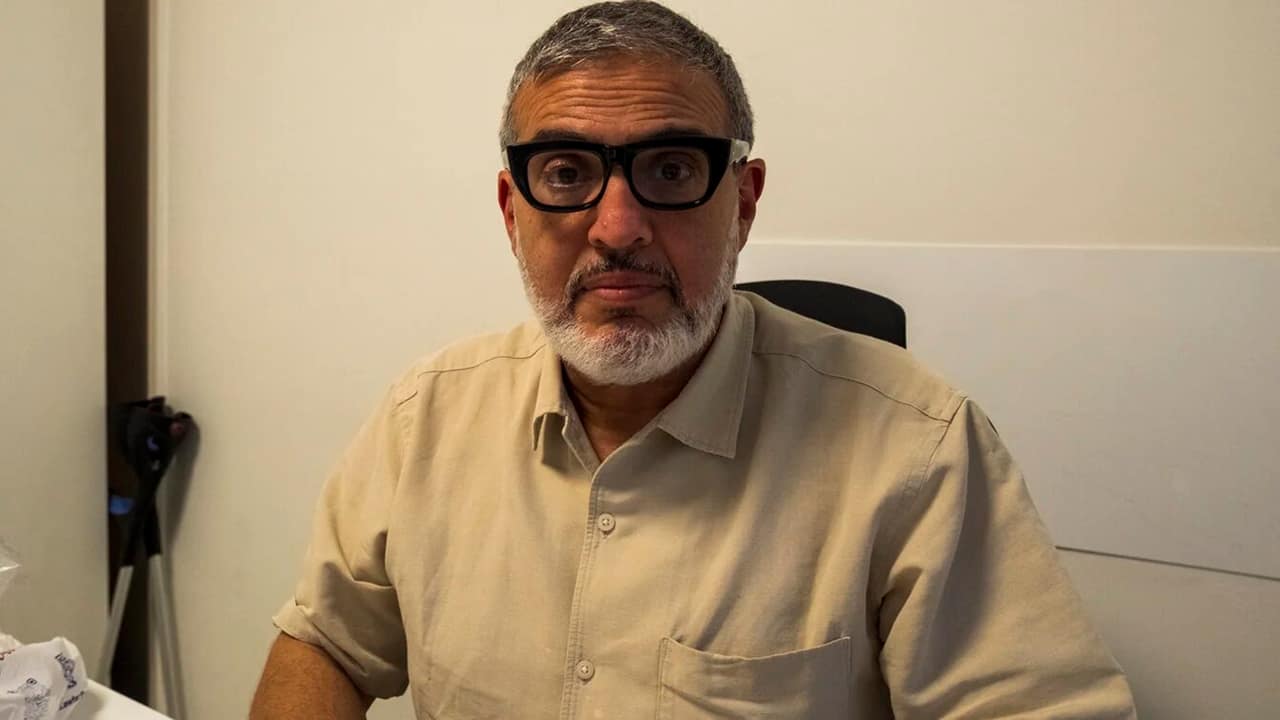
Key facts
- Dr. Ghassan Abu Sittah, a British-Palestinian surgeon, is treating children with severe war wounds in Lebanon.
- The injuries are described as 'catastrophic' and life-altering, resulting from recent conflicts.
- One family, the al-Jabals, lost their youngest daughter and sustained severe injuries to three other daughters in an Israeli strike.
- The affected children require multiple surgeries for reconstruction, including for amputations and facial injuries.
- Dr. Abu Sittah established the Ghassan Abu Sittah Children’s Fund in January 2024 to provide medical treatment for children in Gaza and Lebanon.
Dr. Ghassan Abu Sittah, a prominent British-Palestinian plastic and reconstructive surgeon, is treating children in Lebanon with severe, life-altering war wounds. He described the injuries as 'catastrophic,' stemming from recent conflicts, including shrapnel wounds, partial amputations, and extensive trauma requiring prolonged reconstructive procedures.
One family, the al-Jabals, shared their harrowing experience after an Israeli strike on their home in the Bekaa Valley on March 7. The attack resulted in the death of their youngest daughter, Zainab, and left three other daughters—Fatima, 12, Malak, 16, and Kawthar, 14—with devastating injuries. Fatima lost an eye and requires further surgery for shrapnel removal from her face and back. Malak suffered a traumatic brain injury and multiple fractures, while Kawthar has leg and facial injuries requiring external fixation.
Their father, Hassan Ali al-Jabal, recounted the difficulty of their recovery, including extensive burns, skin grafts, and the constant pain his daughters endured. The family is currently living in a hotel in Beirut while the girls undergo treatment at the American University of Beirut Medical Centre (AUBMC). They are attempting to sell beaded bracelets to help with expenses.
Dr. Abu Sittah established the Ghassan Abu Sittah Children’s Fund in January 2024 to provide medical treatment for children affected by war in Gaza and Lebanon. He has operated under fire for decades, treating the youngest victims of conflict. The al-Jabal sisters are among over 400 children treated by the fund. The family expressed a desire to return to their village, though they acknowledge life will never be the same after the loss and trauma they have experienced.