Key facts
- Venezuela's oil exports reached a seven-year high in May.
- Oil exports increased by 0.7% to 1.25 million barrels per day in May.
Venezuela's oil exports surged to a seven-year high of 1.25 million barrels per day in May, driven by increased shipments to the United States and India following the easing of U.S. sanctions. This development coincides with Venezuela's Acting President Delcy Rodriguez's upcoming visit to India to discuss energy and trade, as India seeks to diversify its oil supplies amid Middle East disruptions. Concurrently, thousands of Cuban doctors are leaving Venezuela due to U.S. pressure, raising concerns about the nation's healthcare system.
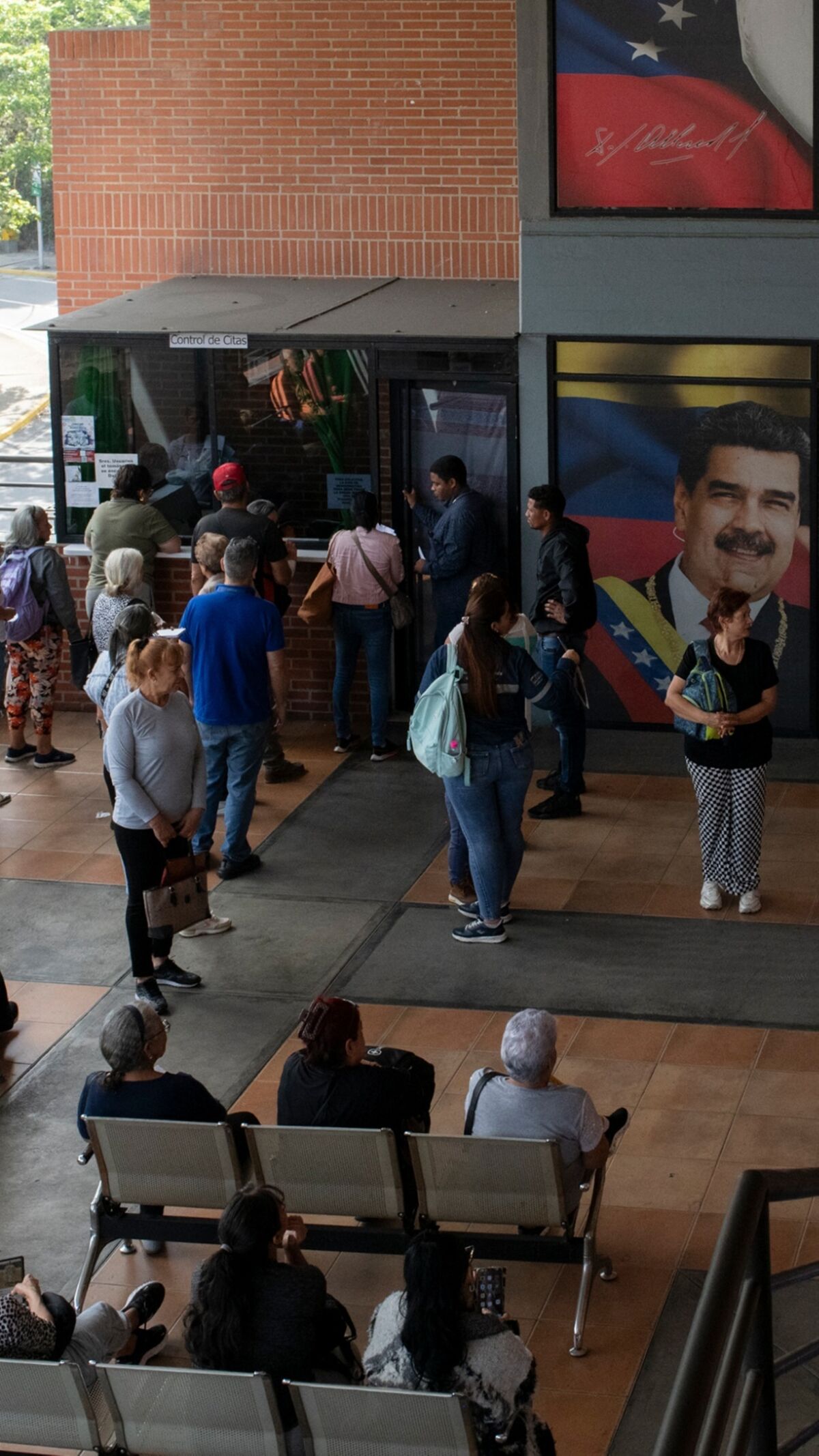
Venezuela's oil exports reached a seven-year high in May, with shipments increasing by 0.7% to 1.25 million barrels per day. This surge is largely attributed to increased oil deliveries to the United States and India, following a temporary easing of U.S. sanctions on Venezuela's oil industry. The nation's Acting President, Delcy Rodriguez, is scheduled to visit India from June 3-7 for energy and trade talks. India, facing disruptions in Middle East oil supplies, has become Venezuela's second-largest crude importer in May and is exploring deeper energy cooperation, including potential investments in Venezuela's oil sector. Meanwhile, thousands of Cuban doctors are departing Venezuela as part of a U.S. campaign to reduce the Venezuelan government's income sources. This exodus raises significant concerns about the future of Venezuela's healthcare system and carries broader geopolitical implications. The U.S. pressure campaign is reportedly aimed at cutting off financial support to the Venezuelan government.
This period of increased oil exports and diplomatic engagement occurs alongside a significant outflow of Cuban medical personnel. The U.S. sanctions relief, though temporary, has allowed for a notable uptick in Venezuelan crude exports, particularly to key markets like India. India's strategic interest in Venezuela's oil is driven by a desire to secure diverse energy sources amidst ongoing instability in the Middle East. The discussions between Acting President Rodriguez and Indian Prime Minister Narendra Modi are expected to cover not only crude oil supplies but also potential investments in Venezuela's energy infrastructure.
The departure of Cuban doctors from Venezuela represents a significant blow to the country's public health infrastructure, which has relied heavily on Cuban medical professionals for years. This situation is exacerbated by the broader U.S. policy aimed at isolating the Venezuelan government financially. The U.S. campaign to reduce income sources for the Venezuelan government has had a direct impact on the services provided by Cuban professionals, leading to their withdrawal.
While the focus remains on Venezuela's energy sector and its international relations, the humanitarian aspect of the Cuban doctors' departure highlights the complex and far-reaching consequences of geopolitical pressures on essential services. The long-term impact on Venezuela's healthcare system remains a significant concern, alongside the nation's efforts to leverage its oil resources for economic recovery and international partnerships.
Venezuela's oil exports reached a seven-year high in May, with shipments increasing by 0.7% to 1.25 million barrels per day. This surge is largely attributed to increased oil deliveries to the United States and India, following a temporary easing of U.S. sanctions on Venezuela's oil industry. The nation's Acting President, Delcy Rodriguez, is scheduled to visit India from June 3-7 for energy and trade talks. India, facing disruptions in Middle East oil supplies, has become Venezuela's second-largest crude importer in May and is exploring deeper energy cooperation, including potential investments in Venezuela's oil sector. Meanwhile, thousands of Cuban doctors are departing Venezuela as part of a U.S. campaign to reduce the Venezuelan government's income sources. This exodus raises significant concerns about the future of Venezuela's healthcare system and carries broader geopolitical implications. The U.S. pressure campaign is reportedly aimed at cutting off financial support to the Venezuelan government.