Key facts
- The U.S. military conducted strikes against Iranian targets.
- A cargo ship was attacked in the Strait of Hormuz.
- The UK raised the Strait of Hormuz threat level to "substantial."
- Iran's IRGC denied reports of a direct U.S. hotline.
- Iran resumed cargo clearance from the UAE's Jebel Ali Port.
- An LNG tanker chartered by QatarEnergy reversed course near the Strait of Hormuz.
- The United Nations is calling for diplomatic efforts to ensure safe passage in the Strait of Hormuz.
- The U.S. Navy oversaw the expansion of a maritime route near Oman.
- Iran claims its actions were in response to U.S. strikes.
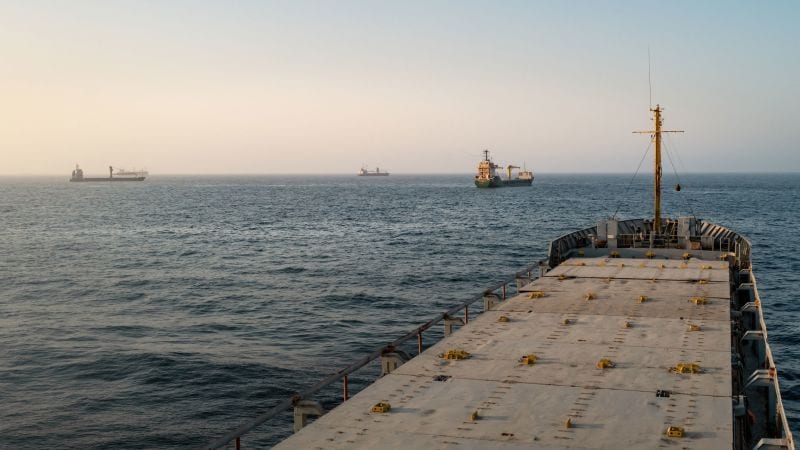
- The Strait of Hormuz has been effectively closed for nearly three weeks.
- An estimated 1,000 vessels and their crews are impacted by the closure.
The U.S. military has conducted strikes against Iranian targets, including missile and drone storage and radar sites, following an attack on a cargo ship in the Strait of Hormuz. This action has led to escalating tensions in the region, prompting the UK maritime agency to raise the threat level in the Strait of Hormuz to "substantial." Iran's Islamic Revolutionary Guard Corps (IRGC) has denied reports of a direct U.S. hotline and has resumed cargo clearance from the UAE's Jebel Ali Port. Amidst these developments, an LNG tanker chartered by QatarEnergy reversed course near the Strait of Hormuz following warnings from Iran's IRGC, contributing to shipping uncertainty. The United Nations is actively seeking sustained diplomatic efforts to ensure safe passage in the Strait of Hormuz, emphasizing the importance of regional and global stability as tensions between the U.S. and Iran persist. The U.S. Navy has also overseen the expansion of a maritime route near Oman in the Strait of Hormuz to facilitate traffic, a move made in response to escalating tensions including Iranian drone attacks on Bahrain and the ship strike. Iran claims its actions, including targeting U.S. military positions and a tanker, were in response to U.S. strikes and alleged violations of commitments regarding the Strait of Hormuz. The U.S. military stated its strikes were defensive, targeting radar sites, and that it intercepted multiple Iranian missiles and drones. One report alleges the U.S. tested new Lockheed Martin Precision Strike Missiles (PrSM) on Lamerd, Iran, resulting in civilian casualties, though Centcom denied involvement and blamed Iran. The attack on a ship has also pressured the shipping insurance market, with war-risk premiums narrowing, and the Strait of Hormuz has been effectively closed for nearly three weeks, impacting an estimated 1,000 vessels and their crews. The UAE condemned Iran's alleged drone attacks on Bahrain, calling them a violation of sovereignty, with Qatar and the GCC issuing similar condemnations, while Iran stated its strikes targeted U.S.-linked assets in retaliation for U.S. airstrikes.