Key facts
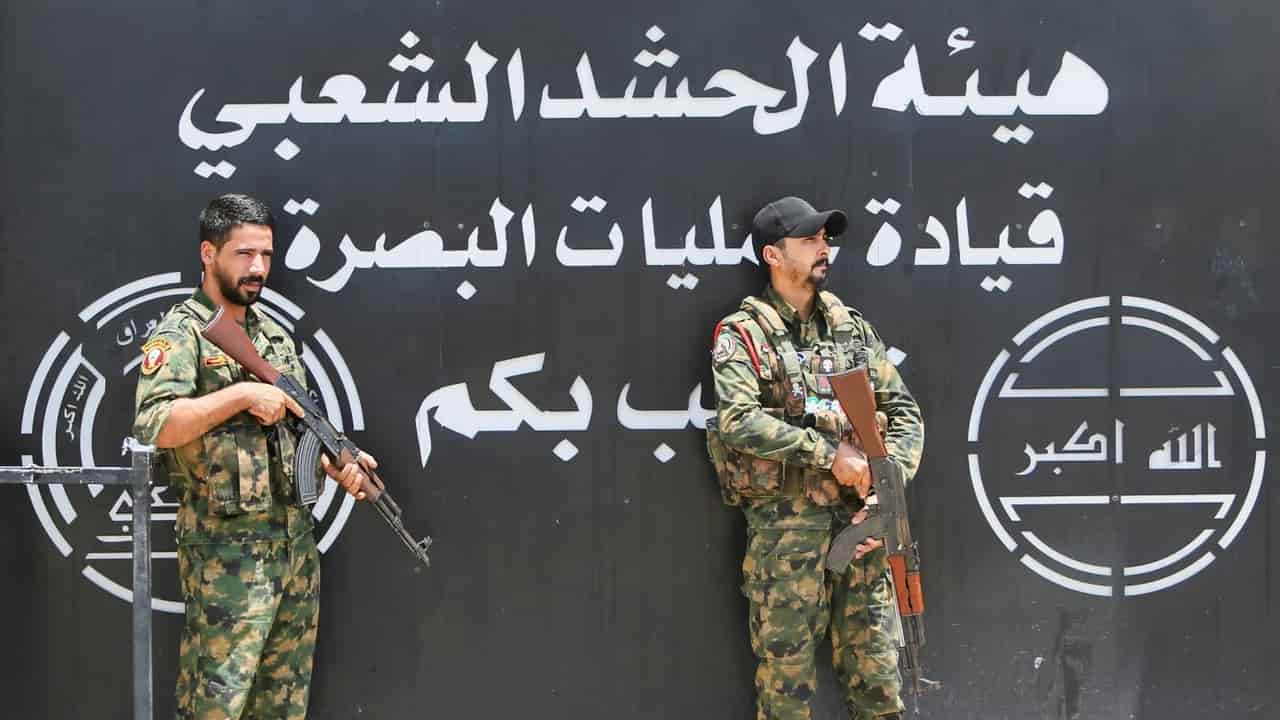
- Joint US-Saudi strikes target Iran-linked militias in Iraq.
- Iran warns of serious risks to US vessels in the Strait of Hormuz.
- Iran and Oman discuss a plan for Iran to control inbound shipping in the Strait of Hormuz.
- Six Saudi supertankers reroute to southern Africa to avoid Houthi threats in the Bab el-Mandeb Strait.
- President Trump claims direct negotiations with Iran are underway.
- Iran's Foreign Ministry denies any talks with the US are happening.
- A ship was struck near the Strait of Hormuz.
- The Pentagon seeks creative ways to pressure Iran.
- Syria agrees to cut Russian oil imports in US sanctions talks.
- Iran claims it canceled a planned strike on Ukraine after an apology from Kyiv.
- Millions attend the Arbaeen pilgrimage in Karbala, Iraq.
- Yemen's Houthi rebels claim a strike on Najran airport in Saudi Arabia.
Joint US-Saudi airstrikes targeting Iran-linked militias in Iraq have highlighted Baghdad's difficult position between Tehran and Riyadh, potentially forcing significant choices regarding security and regional relationships. Concurrently, Iran has issued a stern warning to the United States, asserting that U.S. forces and vessels will face "serious risks and casualties" if the naval blockade of Iranian ports in the Strait of Hormuz persists. U.S. Central Command previously reported redirecting 44 ships and disabling two vessels in this context.
Amidst these developments, Iran and Oman are reportedly exploring a plan that would grant Iran complete authority over inbound shipping in the Strait of Hormuz, with Oman managing outbound traffic. This initiative surfaces as Iraqi crude tankers navigate the strait, which is currently under a U.S. blockade of Iranian ports. In a separate but related maritime incident, six Saudi supertankers have altered course to southern Africa to circumvent threats posed by Yemen's Houthi rebels in the Bab el-Mandeb Strait. This rerouting adds approximately 25 days to their voyages, with some vessels reportedly disabling their tracking transponders while transiting the chokepoint.
President Trump has asserted that direct negotiations with Iran are in progress, characterizing it as Tehran's "last opportunity" to secure a deal. However, Iran's Foreign Ministry has refuted these claims, stating no talks are occurring. This diplomatic standoff coincides with a ship being struck near the Strait of Hormuz. The Pentagon, meanwhile, is reportedly exploring "creative" and "unconventional" methods to pressure Iran into accepting terms favorable to the Trump administration, with an email from Centcom's intelligence branch soliciting such ideas. Iranian President Masoud Pezeshkian has clarified that while Iran is committed to defending its borders, it does not intend to escalate the ongoing conflict into a wider war. In another development, Iran claims it had prepared to strike three sites in Ukraine but ultimately canceled the operation following an apology from Kyiv for an alleged attack on an Iranian commercial vessel in the Caspian Sea, according to a senior military adviser to Iran's supreme leader.
Further complicating the regional landscape, Yemen's Houthi rebels have announced a strike on Najran airport in southern Saudi Arabia, though Saudi authorities have not yet confirmed this claim. This alleged attack follows recent escalations, including previous Houthi assertions of a maritime embargo against Saudi Arabia and Saudi strikes on Sanaa airport. Millions of Shiite Muslims are attending the annual Arbaeen pilgrimage in Karbala, Iraq, under the heightened regional tensions and concerns about potential U.S.-Iran escalation. Reports suggest the number of foreign pilgrims, excluding Iranians, may be lower than in preceding years. In Syria, the government has agreed to substantially decrease its imports of Russian oil as part of ongoing discussions with the United States aimed at removing Syria from the list of state sponsors of terrorism. This concession could reshape Syria's energy strategy and represents a new avenue for U.S. influence over Russia's regional presence.