Key facts
- The U.S. military launched strikes against Iran.
- The strikes followed attacks on vessels in the Strait of Hormuz.
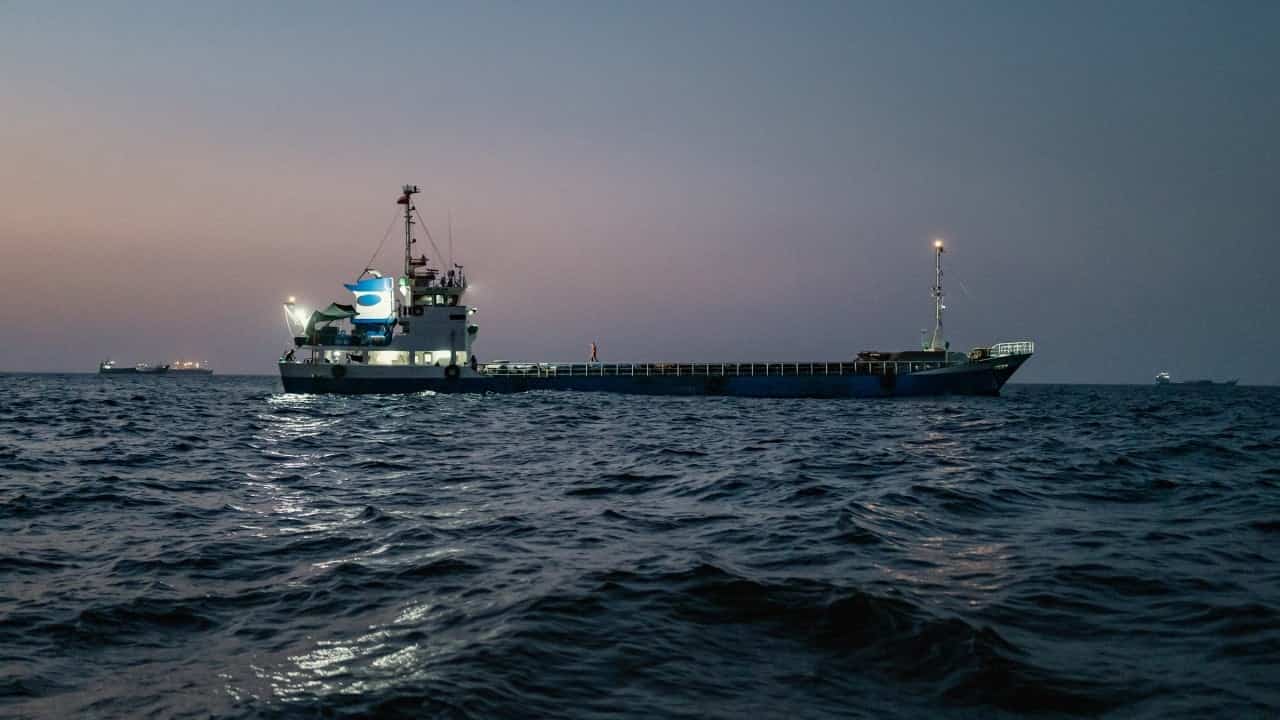
- Three commercial vessels were attacked in the Strait of Hormuz.
- The U.S. Treasury revoked a sanctions waiver on Iranian oil sales.
- Iran claims the revocation violates a memorandum of understanding.
- Iran accused the U.S. of violating a peace agreement.
- Iran warned of retaliation.
- Oil prices rose over 3% following the news.
- NATO foreign ministers will meet with Gulf Arab counterparts.
- The meeting will discuss escalating tensions in the Strait of Hormuz.
- A multinational maritime mission proposal has been rejected by Iran.
- Iran stated that U.S.-Iran talks will not begin if President Trump threatens war.
The U.S. military has initiated strikes against Iran in response to recent attacks on three commercial vessels in the Strait of Hormuz. Concurrently, the U.S. Treasury has revoked a sanctions waiver that permitted Iranian oil sales. Iran asserts that this revocation violates a recently established memorandum of understanding and has accused the U.S. of breaking a peace agreement, warning of potential retaliation. The attacks on tankers in the Strait of Hormuz have contributed to a more than 3% increase in oil prices, exacerbating an already fragile ceasefire.
These developments have heightened tensions in the strategically important Strait of Hormuz. In response, NATO foreign ministers are scheduled to meet with their Gulf Arab counterparts to address the escalating situation. Discussions are expected to include a proposal for a multinational maritime mission in the region, which Iran has reportedly rejected. A U.S. official cited Iran's actions in the Strait of Hormuz as the justification for reinstating sanctions, deeming them "wholly unacceptable."
Amidst these security concerns, a new U.S.-Iran Memorandum of Understanding (MoU) is intended to ease sanctions and promote economic integration within the Gulf. While Qatar and other Gulf states perceive potential investment opportunities, the ongoing security issues and the possibility of the U.S. withdrawing sanctions create an atmosphere of caution. Iran's foreign minister has indicated that U.S.-Iran talks will not commence if President Trump persists with threats of renewed hostilities.