Key facts
- The United States and Iran signed a memorandum of understanding to end a conflict.
- President Donald Trump and Iranian counterpart Masoud Pezeshkian signed the deal.
- The agreement includes a ceasefire on all fronts and respect for sovereignty.
- The Strait of Hormuz has been reopened for commercial shipping.
- At least 12 tankers have transited the Strait of Hormuz.
- Details on Iran's nuclear program and sanctions relief remain to be negotiated.
- A 60-day timeframe has been set to finalize the remaining details.
- The deal was mediated by Pakistan and signed at the G7 summit.
- Iran's Supreme Leader Mojtaba Khamenei authorized the deal.
- Critics view the deal as a strategic defeat for the US.
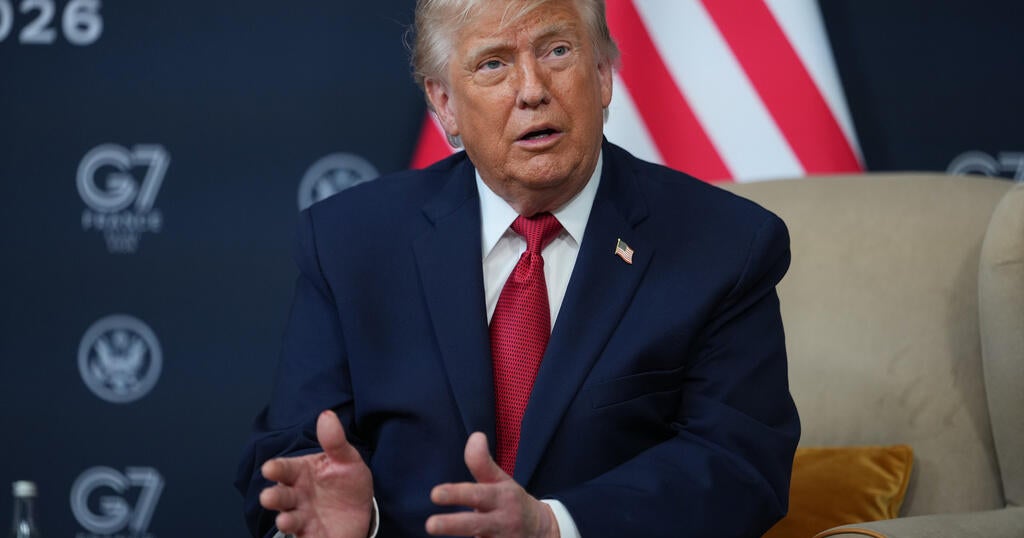
The United States and Iran have signed a memorandum of understanding (MOU) to end a conflict that commenced in February, with President Donald Trump and Iranian counterpart Masoud Pezeshkian executing the agreement. This deal, known as the Islamabad Memorandum of Understanding, was signed at the G7 summit in Versailles and mediated by Pakistan's Prime Minister Shehbaz Sharif. The agreement includes a comprehensive ceasefire on all fronts, respect for sovereignty, and the immediate reopening of the Strait of Hormuz, which has seen commercial shipping traffic gradually resume with at least 12 tankers transiting.
While the immediate hostilities have ceased and the vital waterway is open, significant details concerning Iran's nuclear program, including timelines for diluting enriched uranium, and the lifting of economic sanctions are pending. A 60-day clock has been initiated to finalize these critical aspects. The deal has drawn mixed reactions; Iran's government is portraying it as a major victory, though hard-liners and citizens express internal dissent. Critics, including some US officials and regional allies like Israel and Gulf states, view the pact as a strategic defeat for the US, failing to achieve stated war aims and potentially alarming the region. France has indicated it will not approve UN sanctions relief without a satisfactory nuclear deal and has demanded talks on missiles and proxies.
The conflict and subsequent deal have had a notable impact on global markets, with oil prices declining as truce prospects initially faded, though the reopening of the Strait of Hormuz signals potential recovery in energy transport. Experts suggest that the diplomacy surrounding Iran's nuclear program has returned to its pre-war status, largely resuming the previously abandoned diplomatic track. An Iranian analyst posits that the recent war has bolstered Iran's regional alliances and strategic depth, highlighting its defense capabilities and a return to historical regional power levels. Iran's Supreme Leader Mojtaba Khamenei authorized the MOU despite reservations, stating future negotiations will not accept the 'enemy's position'.