US-Israel relations strained over Iran deal as leaders diverge | PiQ Markets
2 storiesGeopolitics & Global RiskMiddle East conflict (Israel-Gaza, Lebanon, Iran)
US-Israel relations strained over Iran deal as leaders diverge
window 24h
IN SHORT
US-Israel relations are strained as President Donald Trump and Benjamin Netanyahu diverge on policy regarding Iran. Netanyahu acknowledged disagreements with Trump on the Iran deal, a shift from previous public unity. Meanwhile, a Chinese analyst suggests Israel's potential phasing out of US military aid signals a broader decline in American alliances, attributed to an "America First" policy and financial pressures, potentially impacting NATO, Japan, South Korea, and Gulf states.
✉Newsletter
PiQ Daily
Pick your topics. Get only what matters, on your cadence.
Who's Involved
Benjamin Netanyahu
acknowledged disagreements with Donald Trump on Iran policy
Donald Trump
U.S. President expressing anger over Netanyahu's actions
United States
nation with diverging strategic interests from Israel
Israel
nation with diverging strategic interests from the United States
China
nation with an international relations analyst commenting on US alliances
NATO
alliance potentially impacted by declining US alliances
Japan
nation potentially impacted by declining US alliances
South Korea
nation potentially impacted by declining US alliances
Key facts
Benjamin Netanyahu acknowledged disagreements with Donald Trump on Iran policy.
Netanyahu's acknowledgment marks a departure from past public displays of unity.
Donald Trump expressed anger over Netanyahu's actions.
A divergence in strategic interests between the US and Israel is highlighted.
A potential Iran deal is nearing.
A Chinese international relations analyst suggests Israel's aid cut signals US alliance decline.
The analyst attributes the trend to an "America First" policy.
The analyst attributes the trend to increasing financial pressures.
The shift may impact NATO members, Japan, South Korea, and Gulf states.
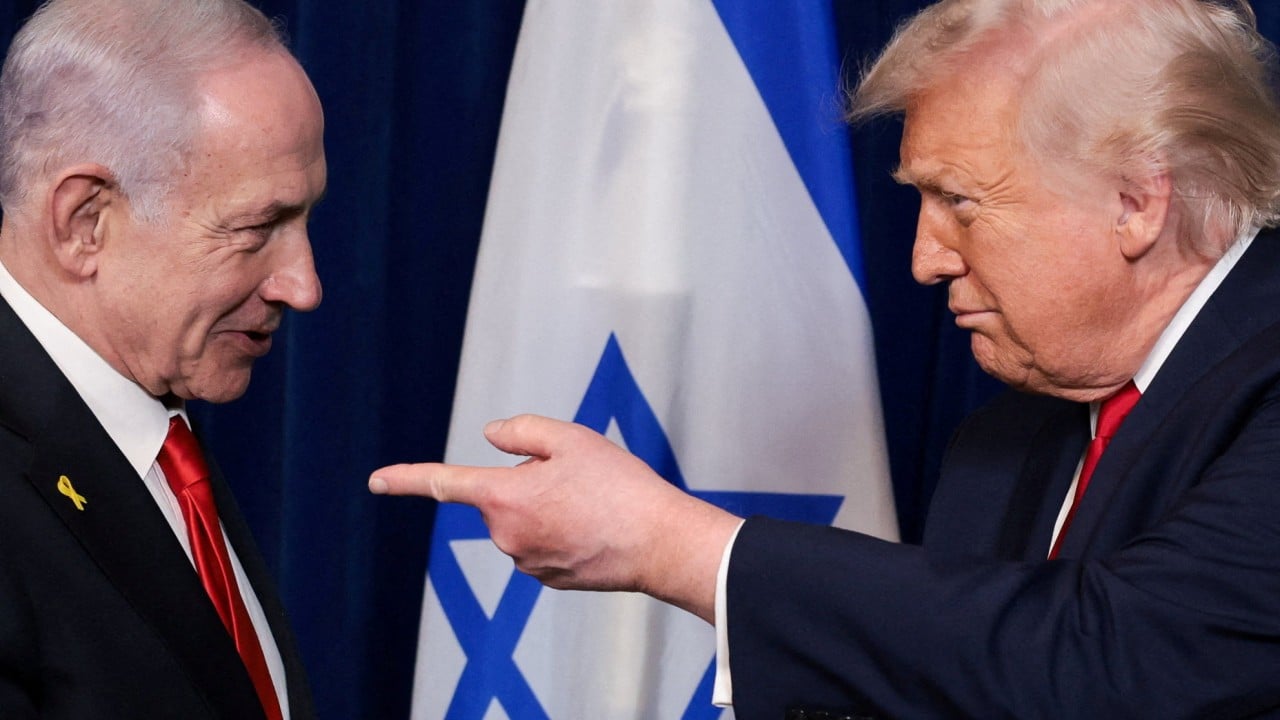
US-Israel relations are experiencing strain due to significant disagreements between President Donald Trump and Benjamin Netanyahu concerning policy on Iran. Netanyahu has publicly acknowledged these divergences, marking a departure from past displays of unified public stances. President Trump has reportedly expressed anger over Netanyahu's actions, underscoring a growing divergence in strategic interests between the United States and Israel, particularly as a potential deal with Iran approaches.
Separately, a Chinese international relations analyst has posited that Israel's move to phase out US military aid could signify a wider trend of declining American alliances. This analyst attributes this potential shift to President Trump's "America First" policy and increasing financial pressures on the US. The analyst further suggests that this trend, if it continues, may eventually affect other US allies, including NATO members, Japan, South Korea, and Gulf states.
The divergence on Iran policy highlights differing strategic priorities, with Israel expressing concerns about the implications of a potential deal. The broader commentary on declining US alliances suggests a reevaluation of international partnerships driven by shifts in American foreign policy and economic considerations. The potential impact on various global allies underscores the interconnectedness of these geopolitical dynamics.
↳ Why This Matters
US-Israel relations are experiencing strain due to significant disagreements between President Donald Trump and Benjamin Netanyahu concerning policy on Iran. Netanyahu has publicly acknowledged these divergences, marking a departure from past displays of unified public stances. President Trump has reportedly expressed anger over Netanyahu's actions, underscoring a growing divergence in strategic interests between the United States and Israel, particularly as a potential deal with Iran approaches.
Frequently asked questions
The main point of contention appears to be their differing approaches and strategic interests regarding a potential deal with Iran and related military actions in the region, particularly in Lebanon.
The deal could involve the release of billions of dollars in frozen Iranian assets.
US officials have stated that Israel would have the right to defend itself and respond if Iran fails to control Hezbollah and attacks Israeli positions or towns.
What Happens Next
01A deal signing ceremony is scheduled for Friday.
02Observers anticipate a tenuous ceasefire and difficult negotiation period following the signing.
03Netanyahu must navigate the political consequences of the deal in the coming months.
Get the newsletter.
Pick the topics you actually care about. We'll email when there's news worth your time, on the cadence you choose. Cancel any time from your account.