Key facts
- The US and Iran signed the Islamabad Memorandum of Understanding (MoU) to end a conflict.
- The deal facilitates the reopening of the Strait of Hormuz.
- Details on Iran's nuclear program and full sanctions relief are pending future negotiations.
- Israel and Hezbollah agreed to a ceasefire that went into effect Friday.
- The US and Qatar brokered the Israel-Hezbollah ceasefire with Iranian assistance.
- The US lifted its naval blockade on Iran.
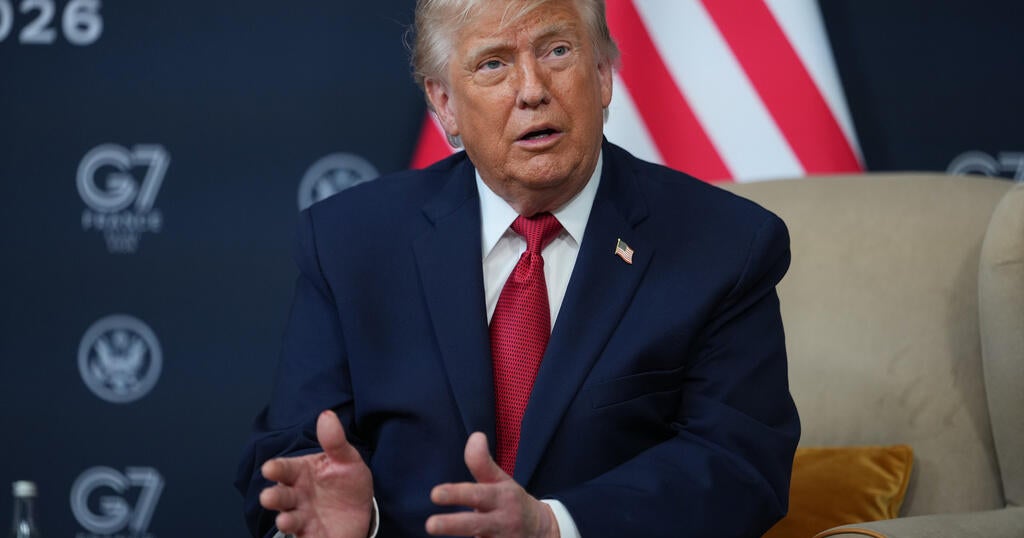
- President Donald Trump signed the agreement with Iran.
- Pakistan's Prime Minister Shehbaz Sharif announced the deal.
- Iran's leader called the agreement 'desperate'.
- Diplomacy over Iran's nuclear program returns to pre-war status.
- Internal dissent in Iran highlights divisions over the agreement.
- Oil prices fell below $80 following the tentative US-Iran peace deal.
The United States and Iran have signed the Islamabad Memorandum of Understanding (MoU) to end a conflict that has devastated the Middle East. This agreement facilitates the reopening of the Strait of Hormuz and outlines a path for sanctions relief, though critical details regarding Iran's nuclear program and the full lifting of sanctions remain unresolved and deferred to future negotiations. President Donald Trump signed the agreement, which Pakistan's Prime Minister Shehbaz Sharif announced. Iran's leader called the agreement 'desperate,' noting Iran's concessions were largely pre-existing commitments. The US has also lifted its naval blockade on Iran following the deal. Diplomacy over Iran's nuclear program has returned to its pre-war status following two conflicts within a year, with experts stating the new MoU will largely resume the diplomatic track previously abandoned. Iran's government is framing the preliminary MoU as a major victory, but internal dissent from hard-liners and ordinary citizens highlights deep divisions over the agreement's terms and future implications.
Concurrently, Israel and Hezbollah agreed to a ceasefire that went into effect Friday, after intense fighting threatened to derail a U.S.-Iran deal aimed at halting regional hostilities. The agreement was brokered by the U.S. and Qatar with assistance from Iran, aiming to de-escalate tensions and keep nuclear talks on track, though Hezbollah has reportedly rejected the agreement. A U.S. official confirmed the ceasefire, which aims to de-escalate intense hostilities that have resulted in significant casualties on both sides, despite reports of continued strikes. Former US President Barack Obama stated the US is 'worse off' after a 15-month war with Iran and questioned Trump's decision to withdraw from the JCPOA, while expressing hope for a lasting ceasefire following the new MoU. President Trump criticized opponents of his Iran deal on social media as negotiations between the U.S. and Iran were delayed, with Israel launching new strikes in Lebanon against Hezbollah complicating the situation. The interim ceasefire is reportedly "hanging by a thread" and on the verge of collapse.
Global markets reacted to the tentative U.S.-Iran peace deal, with oil prices falling below $80. However, uncertainty remains over the deal's durability and potential flashpoints. Brent crude futures declined as the Israel-Hezbollah ceasefire eased concerns over Middle East oil supply disruptions. European shares edged higher, supported by energy and healthcare stocks, as investors remained cautious after U.S.-Iran peace talks stalled. France stated it will not approve UN sanctions relief for Iran without a satisfactory nuclear deal, also demanding talks on missiles and proxies. Iran's Foreign Ministry denied reports of inviting the IAEA to inspect its nuclear facilities beyond current sites, stating that broader access depends on ongoing negotiations. Iranian Parliament Speaker Mohammad Bagher Ghalibaf stated that Iran will forcefully respond if commitments regarding the nuclear deal are broken.
Major Gulf airlines have recovered to approximately 82% of their pre-conflict flight levels, with some carriers exceeding pre-war volumes, following an interim agreement between the U.S. and Iran. South Korea's Finance Minister Koo Yun-cheol stated the MoU offers opportunities and challenges, with plans to pursue cooperation in reconstruction and supply chain resilience. Iran's national football team will file a complaint with FIFA over unchanged U.S. travel restrictions for the World Cup, despite the framework deal. Separately, China's C919 jets are grounded for safety checks.
Direct talks between Iran and the U.S. to finalize a tentative agreement to end military actions have been postponed due to logistical issues, Switzerland's Foreign Ministry announced Friday, with preparatory work continuing. Tanker traffic through the Strait of Hormuz has stalled again following the collapse of U.S.-Iran talks, reversing a brief reopening, though the potential for a prolonged energy supply crunch has diminished.