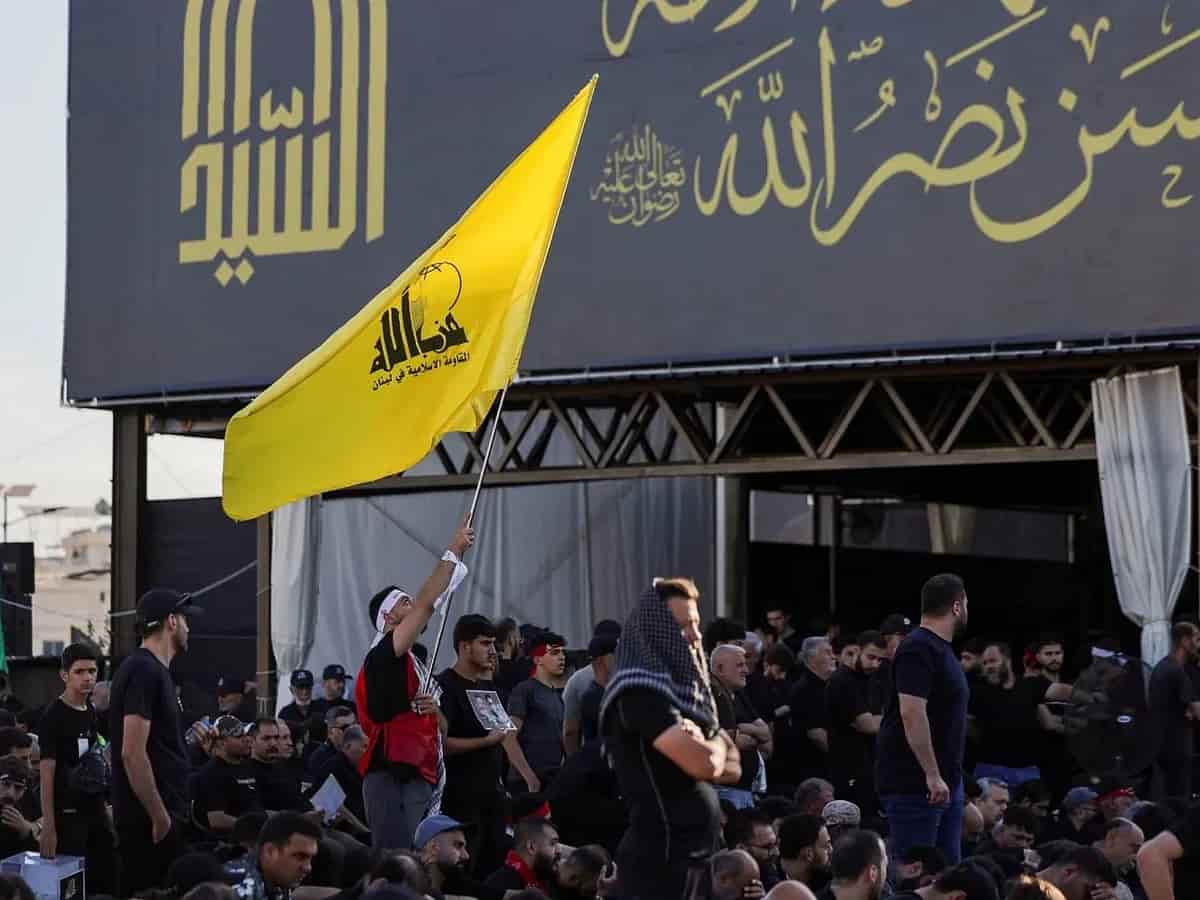
US and Gulf States Sanction Entities Linked to Hezbollah's Finances | PiQ Markets
1 storiesGeopolitics & Global RiskGlobal sanctions regimes (multilateral & unilateral)
US and Gulf States Sanction Entities Linked to Hezbollah's Finances
window 24h
IN SHORT
The United States and Gulf Cooperation Council members, acting through the Terrorist Financing Targeting Center, have imposed sanctions on five entities and 16 individuals. These individuals and entities are accused of operating within Hezbollah's financial network, with specific targets including Al-Qard al-Hasan Association and Bayt al-Mal. The sanctions aim to disrupt the funding streams of the Hezbollah group.
✉Newsletter
PiQ Daily
Pick your topics. Get only what matters, on your cadence.
Key Numbers
5entities sanctioned
16individuals sanctioned
Who's Involved
United States
nation imposing sanctions on Hezbollah's financial network
Gulf Cooperation Council
group of nations imposing sanctions on Hezbollah's financial network
Terrorist Financing Targeting Center
joint initiative that imposed sanctions on Hezbollah's financial network
Hezbollah
group whose financial network is targeted by sanctions
Al-Qard al-Hasan Association
entity targeted by sanctions for its role in Hezbollah's finances
Bayt al-Mal
entity targeted by sanctions for its role in Hezbollah's finances
Key facts
The United States and Gulf Cooperation Council members imposed sanctions.
The sanctions were enacted through the Terrorist Financing Targeting Center.
Five entities and 16 individuals are targeted by the sanctions.
The sanctioned parties are accused of operating within Hezbollah's financial network.
Al-Qard al-Hasan Association and Bayt al-Mal are among the targeted institutions.
The sanctions aim to disrupt Hezbollah's funding.
This action is a joint effort between the U.S. and GCC members.
The United States and members of the Gulf Cooperation Council (GCC) have jointly imposed sanctions on a network of individuals and entities linked to Hezbollah's financial operations. The sanctions were announced by the Terrorist Financing Targeting Center (TFTC), a joint initiative between the U.S. and the GCC. A total of five entities and 16 individuals are targeted by these measures. These sanctioned parties are accused of operating within Hezbollah's financial network, playing a role in facilitating the group's funding. Among the key institutions targeted are the Al-Qard al-Hasan Association and Bayt al-Mal. The stated objective of these sanctions is to disrupt the financial resources available to Hezbollah. This action represents a coordinated effort by the U.S. and its Gulf partners to counter the financial support mechanisms of designated terrorist organizations.
Frequently asked questions
The TFTC is a multilateral body co-chaired by the United States and Saudi Arabia, including member states of the Gulf Cooperation Council, established to coordinate sanctions and disrupt terrorist financing networks.
The primary entities targeted are Al-Qard al-Hasan Association, accused of operating as an unlicensed bank, and Bayt al-Mal, described as Hezbollah's unofficial treasury.
Ibrahim Ali Daher is identified as the head of Hezbollah's Central Finance Unit, which oversees the group's budget and expenditures, and has been sanctioned by the US and its allies.
The Treasury Department alleges that sanctioned members facilitated the transfer of over $500 million through formal banking systems over more than a decade, despite existing sanctions.
What Happens Next
01Further monitoring of Hezbollah's financial activities and attempts to circumvent sanctions.
02Potential for additional sanctions or enforcement actions by the TFTC members.
Get the newsletter.
Pick the topics you actually care about. We'll email when there's news worth your time, on the cadence you choose. Cancel any time from your account.