Key facts
- A UN assessment indicates only 3% of Gaza's cropland is accessible and undamaged.
- This represents a significant decrease from October 2025.
- The expansion of the 'Yellow Line' is the main driver of reduced cropland accessibility.
- Reduced access impacts farmers' ability to produce food.
- The findings highlight challenges to food security in Gaza.
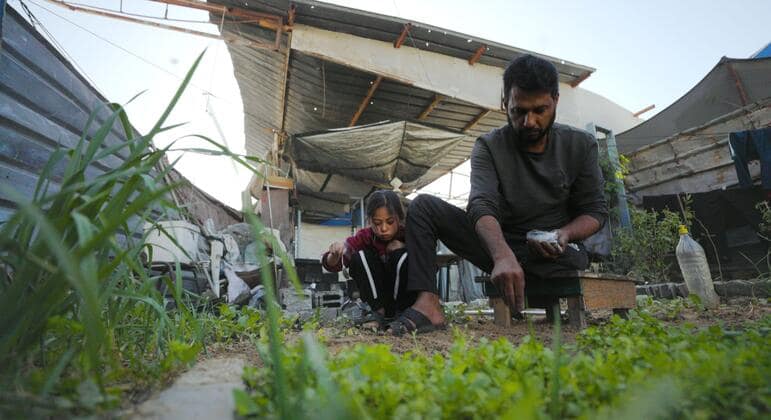
A recent United Nations assessment has determined that a mere 3% of Gaza's agricultural land is both accessible and undamaged. This figure represents a substantial decrease from the accessibility levels recorded in October 2025. The primary factor contributing to this significant decline in usable cropland is the expansion of the 'Yellow Line.' This designated zone, likely a security buffer or restricted area, is limiting farmers' ability to reach and cultivate their fields. The reduced access directly impedes the capacity of farmers to produce food within Gaza, raising concerns about the region's food security. The assessment highlights the critical challenges faced by the agricultural sector in Gaza due to ongoing access restrictions.