Key facts
- Only 3% of Gaza's cropland is accessible and undamaged, per a UN assessment.
- This amounts to 448 hectares of usable farmland as of June 2026.
- Accessible and undamaged cropland has fallen by 25.5% since October 2025.
- Reduced access, not additional damage, is the main driver of the decline.
- Farmers face severe shortages of seeds, fertilizers, and irrigation equipment.
A new assessment by the Food and Agriculture Organization of the United Nations (FAO) and the United Nations Satellite Centre (Unosat) reveals that only 3 percent of the Gaza Strip’s cropland remains both accessible and undamaged. As of June 24, 2026, only 448 hectares out of a total of 4,091 accessible hectares were in a usable condition for cultivation.
This represents a significant decline from October 2025, when 601 hectares were accessible and undamaged. The reduction in usable farmland is attributed primarily to reduced access since the October 2025 ceasefire, largely due to the westward expansion of the "Yellow Line," which demarcates the ceasefire zone from areas controlled by the Israeli military. Farmers in Deir al-Balah and Khan Younis have experienced the most substantial decreases in available land.
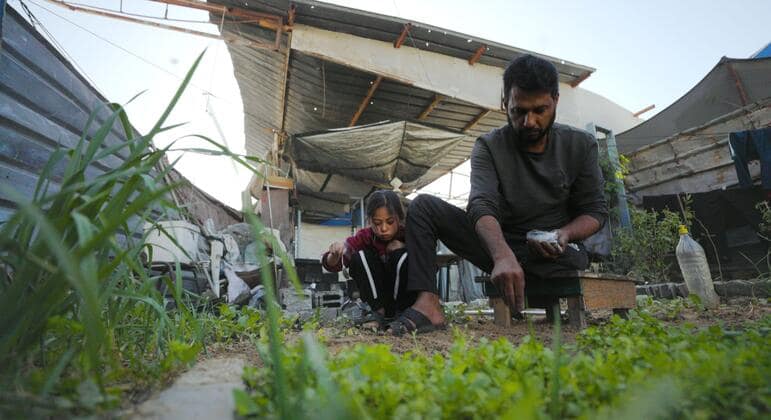
Rein Paulsen, Director of FAO’s Office of Emergencies and Resilience, described the situation as a "stark picture of the continued deterioration of Gaza’s agriculture sector." He emphasized that the loss of access is shrinking the space for farmers to produce food, even where agricultural assets are physically intact. Farmers have demonstrated their ability to produce when given the opportunity, but urgent action is needed to restore safe access and provide necessary support.
Beyond limited access, farmers are grappling with critical shortages of essential agricultural inputs, including seeds, fertilizers, irrigation equipment, fuel, and other production materials. Livestock keepers also face difficulties obtaining feed and veterinary supplies. The quality of available inputs is often declining, and prices are beyond the reach of many farming households.
Before the escalation of hostilities in October 2023, agriculture constituted approximately 10 percent of Gaza's economy and supported over 560,000 people. The FAO is calling for sustained efforts to restore agricultural production by ensuring safe access to land, facilitating the import of essential inputs, and supporting the rehabilitation of damaged farmland.