Key facts
- The cost of the conflict in Gaza has reached approximately $140 billion (420 billion shekels).
- An investigation by TheMarker suggests the Israeli military's approach to the war was costly and wasteful.
- Prime Minister Benjamin Netanyahu's Likud party featured foreign leaders and New York City Mayor Zohran Mamdani on a billboard campaign.
- The Jerusalem municipality took over a UNRWA school and clinic in the Shuafat refugee camp.
- An archaeological discovery of an Islamic-era complex dating to the late seventh or early eighth century was made in Ramat Gan.
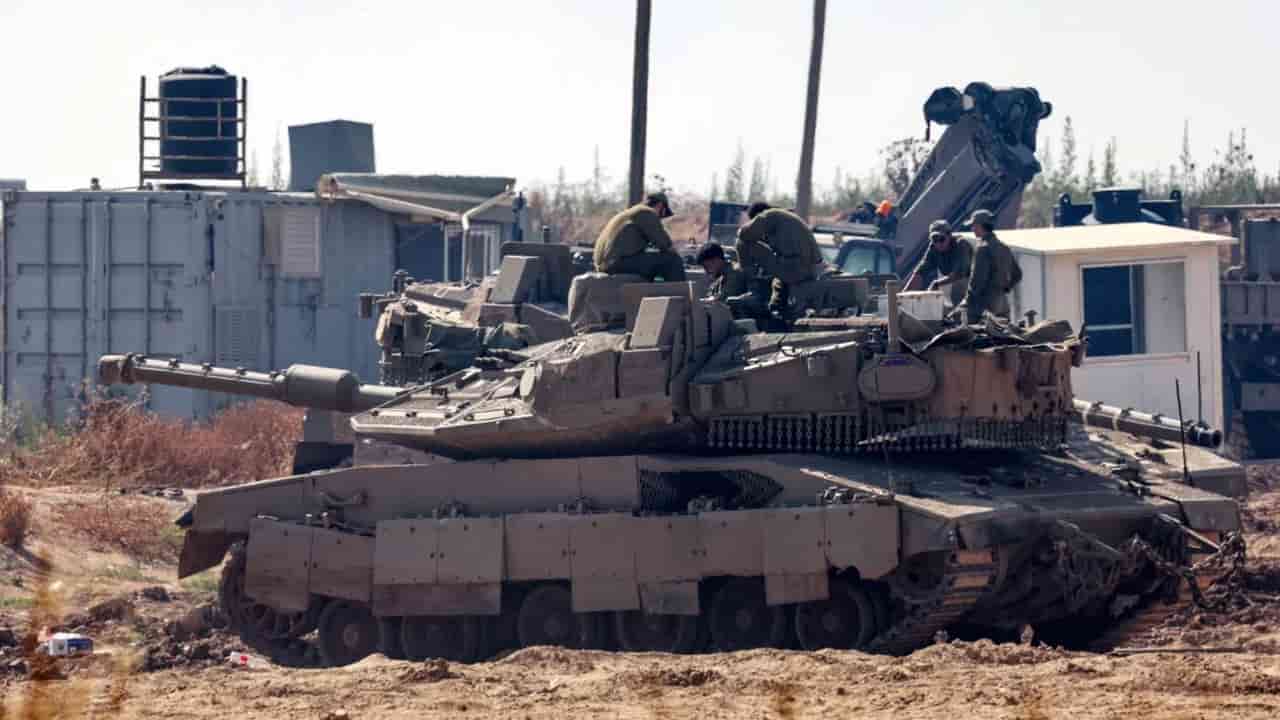
The cost of the conflict in Gaza has reached approximately 420 billion shekels ($140 billion), according to an investigation by TheMarker, with projections that it could soon reach half a trillion shekels. The report suggests the Israeli military employed a costly and wasteful strategy, expending unprecedented levels of munitions in the early stages of the war and mobilizing a large number of reservists. Officials indicated that similar or better results might have been achieved with a shorter conflict.
In parallel, Israeli Prime Minister Benjamin Netanyahu's Likud party launched a billboard campaign in Tel Aviv featuring foreign leaders perceived as enemies of Israel, including Iran's Supreme Leader Mojtaba Khamenei, Turkish President Recep Tayyip Erdogan, Hezbollah Secretary-General Naim Qassem, and New York City Mayor Zohran Mamdani. Netanyahu shared the billboard on social media platform X, with the message "They want Netanyahu to lose. Don't let them win."
Separately, the Jerusalem municipality reportedly took over a UNRWA school and clinic in the Shuafat refugee camp. Roland Friedrich, UNRWA’s director for the occupied West Bank, stated that municipality officials replaced locks and conducted repairs, violating international law and UN property immunity. The municipality countered that UNRWA had invaded private land and failed to pay for it.
In archaeological news, researchers from the Israel Antiquities Authority uncovered a 2,500-square-meter industrial and commercial complex dating to the late seventh or early eighth century beneath a football stadium car park in Ramat Gan. The site, believed to have been a significant economic center, was abandoned in the ninth century and later repopulated before its final abandonment in the 11th century.