4 storiesGeopolitics & Global RiskRussia-Ukraine war (frontline, weapons, peace talks)Middle East conflict (Israel-Gaza, Lebanon, Iran)Global sanctions regimes (multilateral & unilateral)
UN Food Agency Warns Millions Pushed Into Hunger By Prolonged Middle East Crisis
IN SHORT
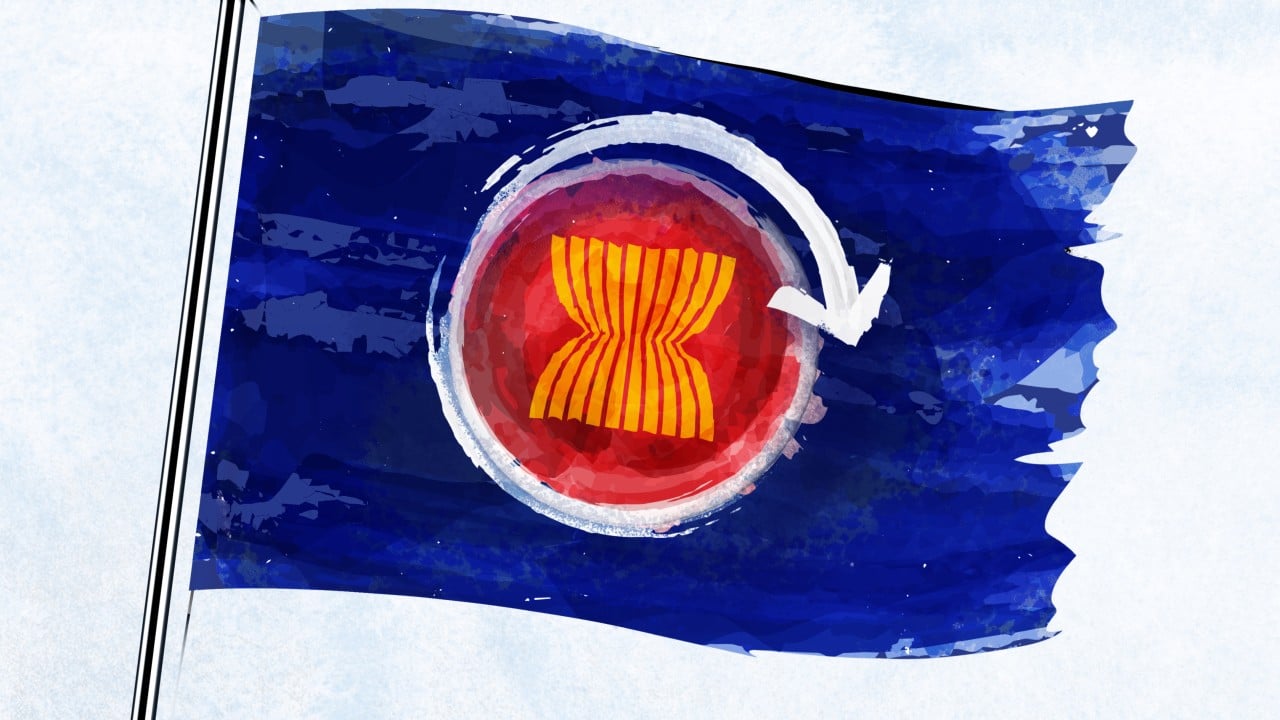
The prolonged Middle East crisis is pushing millions into acute hunger, particularly impacting fragile economies in Somalia, Afghanistan, and Sri Lanka, according to the UN World Food Programme. The conflict also fuels a global energy shock affecting ASEAN member states, with farmers in the Philippines facing doubled diesel costs. Iranians are experiencing war fatigue and economic hardship, marked by triple-digit food inflation and a devalued currency. Norway's deputy foreign minister condemned the US-Israeli war on Iran as illegal, stressing the need to uphold international law even among allies.
Key Numbers
11ASEAN member states affected by energy shock
Who's Involved
UN World Food Programme (WFP)
UN agency warning of millions pushed into hunger
Somalia
Nation with a fragile economy impacted by Middle East crisis
Afghanistan
Nation with a fragile economy impacted by Middle East crisis
Sri Lanka
Nation with a fragile economy impacted by Middle East crisis
Iran
Nation facing war fatigue, economic hardship, and conflict
ASEAN
Association of Southeast Asian Nations holding leaders' meeting
Philippines
Nation where farmers face doubled diesel costs
Norway
Nation whose deputy foreign minister condemned the US-Israeli war on Iran
1 / 2