Key facts
- President Donald Trump announced a halt to planned strikes against Iran.
- The halt is contingent on a rapid deal to reopen the Strait of Hormuz and end Iran's nuclear program.
- Saudi Crown Prince Mohammed bin Salman urged de-escalation and stressed dialogue.
- US embassies in the Middle East issued security alerts advising citizens to consider departing the region.
- The State Department warned of possible attacks on US interests overseas.
- Iraqi Prime Minister Ali al-Zaydi announced deterrent measures against regional hostilities.
- Drone attacks on Saudi energy infrastructure were carried out by the Iran-aligned Popular Mobilisation Forces.
- Iran's leadership is united on war strategy but divided on the endgame.
- Iran warned Gulf states against allowing U.S./Israel use of territory for attacks.
- Iran's foreign minister cautioned against "adventurous action" by the U.S.
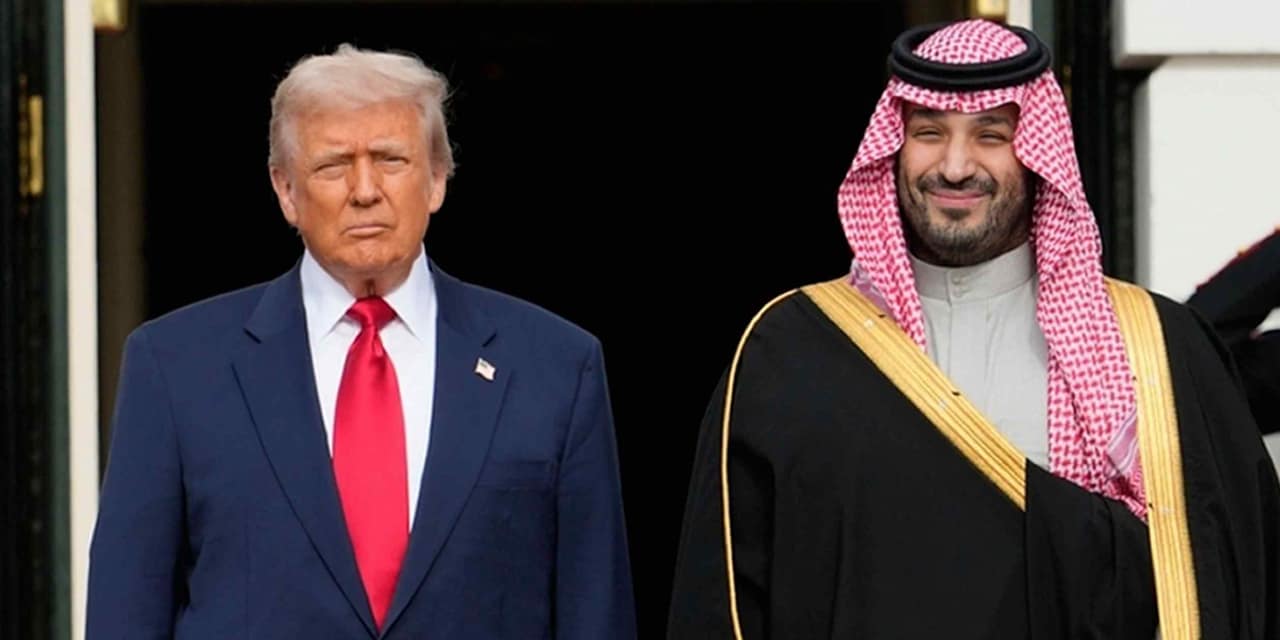
President Donald Trump announced that planned strikes against Iran are being called off, contingent on a rapid deal to reopen the Strait of Hormuz and end Iran's nuclear program. Trump stated that Mideast allies have outlined a deal to end the Iran war, halting new strikes for now. This decision follows a call from Saudi Crown Prince Mohammed bin Salman, who expressed concerns about escalation and stressed the importance of dialogue. Iran has not confirmed any agreement regarding these developments.
Amidst these tensions, US embassies across the Middle East have issued security alerts advising American nationals to consider departing the region due to potential "unexpected escalation" with Iran. The State Department warned of possible attacks on US interests overseas. In Iraq, Prime Minister Ali al-Zaydi announced "deterrent measures" to prevent attacks on neighboring countries from Iraqi territory. This announcement came after an emergency security meeting and follows drone attacks on Saudi energy infrastructure attributed to the Iran-aligned Popular Mobilisation Forces.
Internally, Iran's leadership presents a united front in its ongoing conflict, emphasizing resilience against U.S. and allied attacks. However, divisions persist regarding the ultimate objective. Some factions advocate for total victory, while others seek a negotiated settlement to alleviate economic pressures and adapt to social changes. Iran's foreign ministry has also issued a warning to Gulf states, cautioning them against allowing the U.S. and Israel to use their territories for attacks, citing a "moral duty" to block such actions. The foreign minister also cautioned against "adventurous action" by the U.S.