Taiwan needs drone 'hornet's nest' to deter China, US diplomat says | PiQ Markets
3 storiesGeopolitics & Global RiskTaiwan Strait military tensionsChina-Taiwan posturing & US arms sales to TaiwanNATO military aid to Ukraine
Taiwan needs drone 'hornet's nest' to deter China, US diplomat says
window 24h
IN SHORT
Taiwan's defense strategy should incorporate a "hornet's nest" of drones to deter potential Chinese aggression, according to Raymond Greene, the top U.S. diplomat to the island. Greene highlighted drones as a transformative element for Taiwan's security and regional stability. In parallel, Taiwan has instructed its ships to ignore boarding and inspection requests from China's Coast Guard near its east coast, with Taiwanese vessels prepared to intervene. Meanwhile, China's Foreign Minister Wang Yi urged the United States to exercise extreme caution in handling Taiwan-related issues, warning of significant geopolitical repercussions if mishandled.
✉Newsletter
PiQ Daily
Pick your topics. Get only what matters, on your cadence.
Who's Involved
Raymond Greene
top U.S. diplomat to Taiwan advocating for drone defense
Taiwan
island nation enhancing defense and maritime security measures
China
nation whose Coast Guard boarding requests are being ignored
Wang Yi
China's Foreign Minister urging caution on Taiwan issues
U.S.
nation whose diplomat advised on Taiwan's drone strategy
Taiwanese Coast Guard
vessels prepared to intervene against Chinese boarding attempts
Key facts
Raymond Greene stated Taiwan needs a "hornet's nest" of drones to deter conflict.
Greene described drones as a game-changing opportunity for Taiwan's defense.
Taiwan has told its ships to ignore Chinese Coast Guard boarding requests.
Taiwanese Coast Guard vessels will intervene if China attempts boarding.
China has no jurisdiction in Taiwanese waters, according to a Taiwanese official.
China's Foreign Minister Wang Yi urged the U.S. to handle Taiwan issues with utmost caution.
Wang Yi warned of significant geopolitical repercussions from mishandling Taiwan issues.
Raymond Greene, the top U.S. diplomat to Taiwan, has advocated for the island to develop a "hornet's nest" of drones as a critical component of its defense strategy to deter conflict with China. Greene characterized drones as a "game-changing opportunity" that could significantly enhance Taiwan's security and contribute to regional peace. This call for enhanced drone capabilities comes amidst heightened tensions and differing approaches to maritime security in the region.
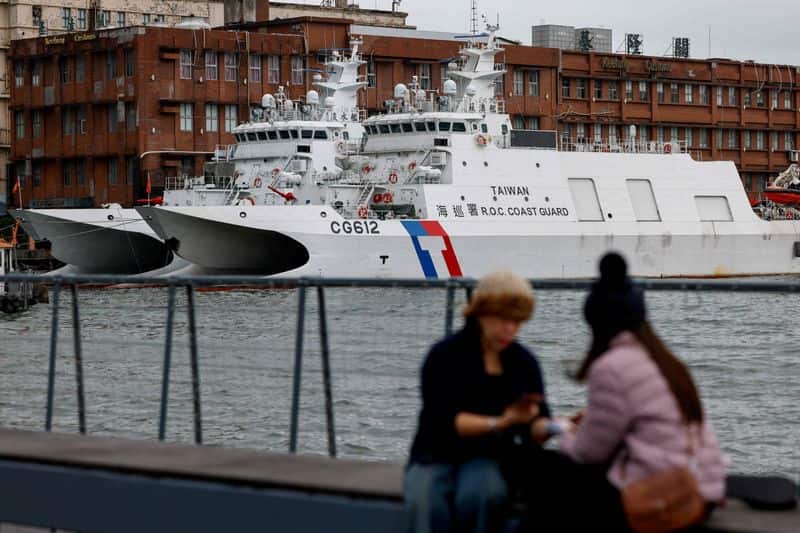
In a related development, Taiwan has issued directives to its ships operating near the island's east coast, instructing them to disregard any requests for boarding and inspection from China's Coast Guard. A senior Taiwanese official stated that Taiwanese Coast Guard vessels are prepared to intervene if necessary to prevent such actions, emphasizing that China lacks jurisdiction in these waters. This directive underscores Taiwan's assertion of sovereignty and its commitment to protecting its maritime interests against perceived incursions.
Concurrently, China's Foreign Minister Wang Yi has communicated Beijing's stance to the United States, urging extreme caution in managing issues related to Taiwan. Wang Yi warned that mishandling the Taiwan question could lead to significant repercussions, impacting the broader geopolitical landscape. This statement reflects China's consistent position on Taiwan, viewing it as a core national interest and a sensitive issue in its relationship with the U.S.
The differing perspectives on Taiwan's defense and maritime jurisdiction highlight the complex geopolitical dynamics in the Indo-Pacific region. The U.S. diplomat's suggestion for drone proliferation and Taiwan's directive to its ships signal proactive measures to bolster defense and assert control, while China's warning to the U.S. indicates a continued emphasis on its claims and a desire to influence international handling of the issue.
↳ Why This Matters
Raymond Greene, the top U.S. diplomat to Taiwan, has advocated for the island to develop a "hornet's nest" of drones as a critical component of its defense strategy to deter conflict with China. Greene characterized drones as a "game-changing opportunity" that could significantly enhance Taiwan's security and contribute to regional peace. This call for enhanced drone capabilities comes amidst heightened tensions and differing approaches to maritime security in the region.
Frequently asked questions
It refers to creating a dense and difficult-to-penetrate defense system using a large number of drones, making it highly risky for an adversary to attack.
Taiwan is bolstering its defenses due to stepped-up threats from China, which views the island as its territory and has increased military posturing.
The U.S. is Taiwan's most important international backer and arms supplier, strongly supporting its military modernization plans.
What Happens Next
01Taiwan's parliament will consider the government's proposed T$210 billion drone package.
02The KMT's drone legislation will also be debated.
03Further discussions on defense spending and asymmetric warfare capabilities are expected.
Get the newsletter.
Pick the topics you actually care about. We'll email when there's news worth your time, on the cadence you choose. Cancel any time from your account.