Key facts
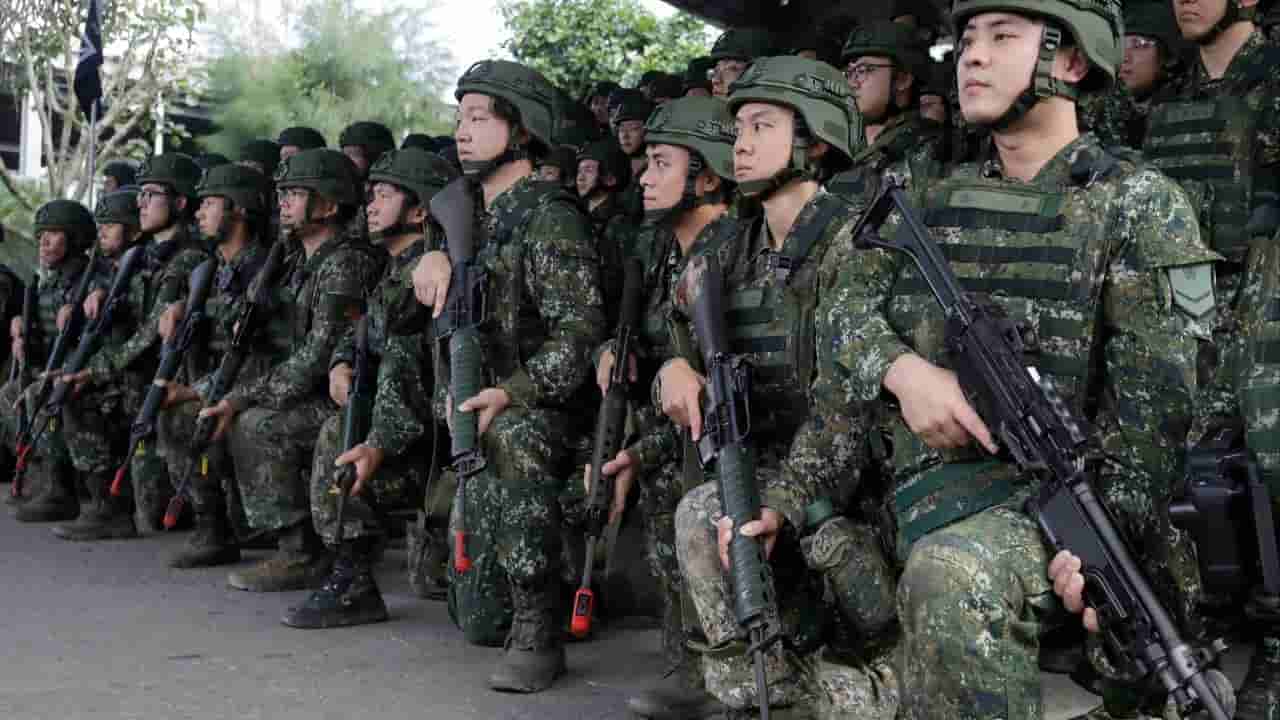
- Taiwan is conducting a five-day combat readiness exercise.
- The exercise aims to enhance Taiwan's rapid deployment capabilities.
- Taiwan's drill is a response to increased Chinese air and naval operations.
- China's Liaoning aircraft carrier group concluded over 40 days of drills.
- These Chinese drills took place in the South China Sea and western Pacific.
- China reported surveillance and 'provocations' by Japanese warships and aircraft.
- China and North Korea accused Japan of an offensive military buildup.
- China and North Korea stated Japan is moving towards 're-militarisation'.
- China and North Korea stated Japan is developing preemptive strike capabilities.
- Japan recently conducted large-scale live-fire drills.
Taiwan has initiated a five-day combat readiness exercise designed to improve its military's capacity for rapid deployment during crises. This action is a direct response to sustained pressure from China, which has been increasing the frequency of its air and naval operations. The exercise aims to enhance Taiwan's defensive posture in the face of ongoing regional tensions.
Concurrently, China's Liaoning aircraft carrier group has completed more than 40 days of drills conducted in the South China Sea and the western Pacific. During these exercises, the carrier group reported encountering and documenting multiple instances of 'provocations' and surveillance by Japanese warships and aircraft. This reporting from China highlights ongoing maritime activity and potential friction in the region.
Adding to the regional friction, both China and North Korea have jointly criticized Japan's recent large-scale live-fire drills. Beijing, through its military mouthpiece, and Pyongyang have characterized these Japanese exercises as evidence of an offensive military expansion. They further allege that Japan is moving towards 're-militarisation' and developing preemptive strike capabilities, raising concerns about regional security dynamics.