Key facts
- Funding for acute malnutrition response in Somalia has dropped over 80% this year.
- Child hunger is intensifying in Somalia.
- The United States has significantly reduced its aid to Somalia.
- Médecins Sans Frontières reported the drop in funding.
- Aid organizations are struggling to meet escalating needs.
- The funding decrease jeopardizes efforts to combat a growing humanitarian crisis.
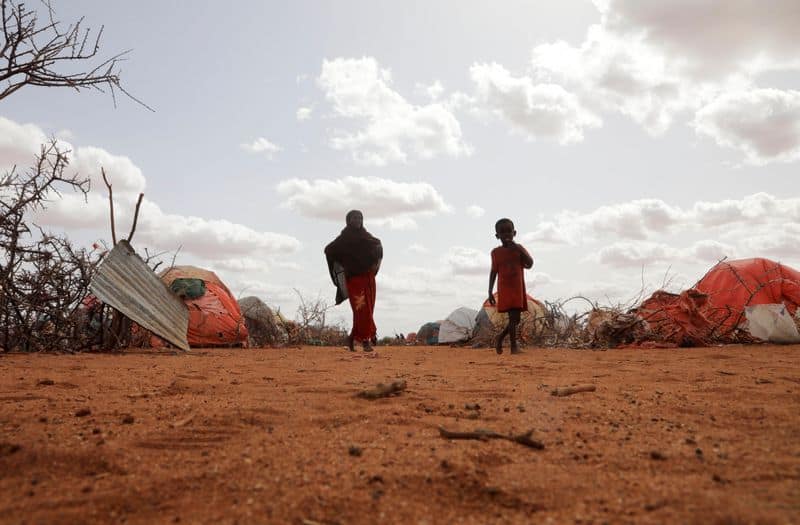
Médecins Sans Frontières (MSF) reports a drastic decline in funding for acute malnutrition response in Somalia, with a drop exceeding 80% this year. This significant reduction in financial support coincides with a worsening child hunger crisis across the nation. The United States has notably decreased its aid, contributing to the severe funding gap that aid organizations are now struggling to bridge.
The consequences of this funding shortfall are dire, impacting the ability of organizations like MSF to provide essential life-saving treatment to severely malnourished children. The escalating needs on the ground are becoming increasingly difficult to meet due to the diminished resources available. This situation threatens to undermine years of progress in combating malnutrition and exacerbates the vulnerability of an already struggling population.
The reduction in aid from key international donors, particularly the United States, places immense pressure on humanitarian efforts. Organizations are forced to make difficult decisions about resource allocation, potentially leading to the scaling back of critical programs. The intensified hunger crisis means more children require urgent care, yet the means to provide that care are diminishing rapidly, creating a critical humanitarian challenge.