Key facts
- Funding for acute malnutrition response in Somalia has decreased by over 80% this year.
- The United States has cut its aid from $70 million last year to no funding this year.
- Médecins Sans Frontières (MSF) has seen an 80% increase in nutrition cases admitted this year.
- One in four children screened in displacement camps in southwest Somalia is severely malnourished.
- Approximately $300 million is available for Somalia from donors, compared to $2.2 billion in 2022.
Funding for critical malnutrition response efforts in Somalia has plummeted by over 80% this year, according to Médecins Sans Frontières (MSF), even as child hunger surges. MSF Health Adviser Mitchell Sangma stated that the United States reduced its support from $70 million last year to zero this year, with other Western donors also cutting funding. This has left aid groups struggling to cope with a massive increase in cases, with MSF admitting over 80% more nutrition cases compared to the previous year.
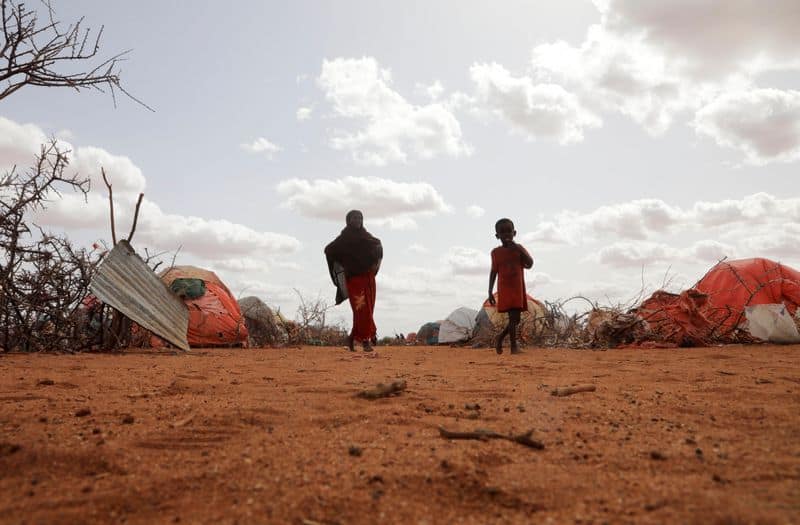
A survey conducted by MSF in Baidoa revealed that one in every four children screened in displacement camps is severely malnourished, and a third of families are surviving on a single meal per day. Somalia is grappling with a severe hunger crisis exacerbated by repeated failed rainy seasons, which have devastated crops and depleted water supplies, compounded by conflict and insecurity that disrupt livelihoods and access to aid.
MSF has screened over 21,000 children under five in Baidoa, identifying acute malnutrition rates of approximately 50%. The United Nations reported that over half a million people were displaced in the first three months of the year, primarily due to drought. Aid agencies warn that severe funding shortfalls are hindering the response, raising fears of a repeat of the 2022 near-famine. MSF noted that current available donor funding stands at about $300 million, a stark contrast to the $2.2 billion provided in 2022.