Key facts
- Six Saudi supertankers are rerouting to southern Africa to avoid Houthi threats.
- Rerouting adds 25 days to voyages for Saudi supertankers.
- Some vessels are turning off tracking transponders in the Bab el-Mandeb Strait.
- Thousands of civilian workers are stranded on ships in the Persian Gulf.
- Transit through the Strait of Hormuz is blocked due to conflict involving Iran.
- Seafarers face risks from drone and missile attacks.
- The GasLog Shanghai, a Greek LNG carrier, experienced an incident exiting the Strait of Hormuz.
- This is the second attack on a Qatar-loaded LNG tanker in the region within a month.
- QatarEnergy has extended force majeure on deliveries.
- A tanker was struck by a missile off the coast of Oman.
- The tanker struck off Oman had its engine room disabled.
- Iran warned U.S. forces and vessels of serious risks if the naval blockade of Iranian ports continues.
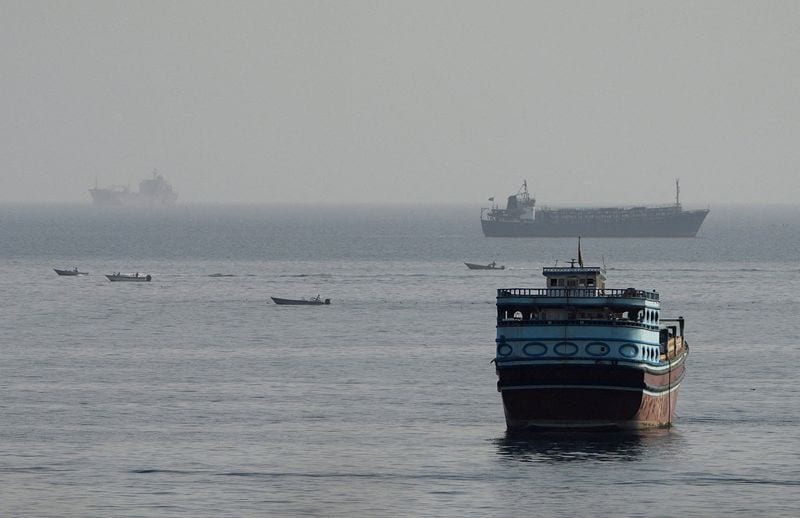
Shipping in the Middle East is experiencing severe disruptions, with analysts warning the threat to oil tankers is the worst since the Iran war began. Houthi threats in the Bab el-Mandeb Strait have forced six Saudi supertankers to reroute to southern Africa, adding approximately 25 days to their voyages. Some vessels are navigating the chokepoint with their tracking transponders turned off to avoid detection. Concurrently, thousands of civilian workers are stranded on ships in the Persian Gulf, unable to transit the Strait of Hormuz due to ongoing conflict involving Iran. These seafarers face direct risks from drone and missile attacks, with some vessels already hit.
Further incidents highlight the precarious situation. The Greek-owned LNG carrier GasLog Shanghai experienced an incident while exiting the Strait of Hormuz but is reported to be safe and stable. This event follows another attack on a Qatar-loaded LNG tanker in the region within the past month, leading QatarEnergy to extend its force majeure on deliveries. In a separate development, a tanker was struck by an unknown projectile, identified as a missile, off the coast of Oman, disabling its engine room. Authorities are investigating this incident, which occurred amidst exchanges between Iran and the United States concerning the Strait of Hormuz.
Iran has issued warnings to the U.S., with a senior Iranian official stating that U.S. forces and vessels would face serious risks and casualties if the naval blockade of Iranian ports in the Strait of Hormuz persists. The U.S. Central Command has reported redirecting 44 ships and disabling two vessels in response to threats. The overall impact on trade is significant, with traffic through the Strait of Hormuz decreasing substantially as many vessels turn off transponders. The conflict is also disrupting sales and deliveries for companies like Beiersdorf, the maker of Nivea, in key Gulf markets such as Saudi Arabia and the United Arab Emirates. Beiersdorf is also monitoring oil prices for potential impacts on packaging costs.