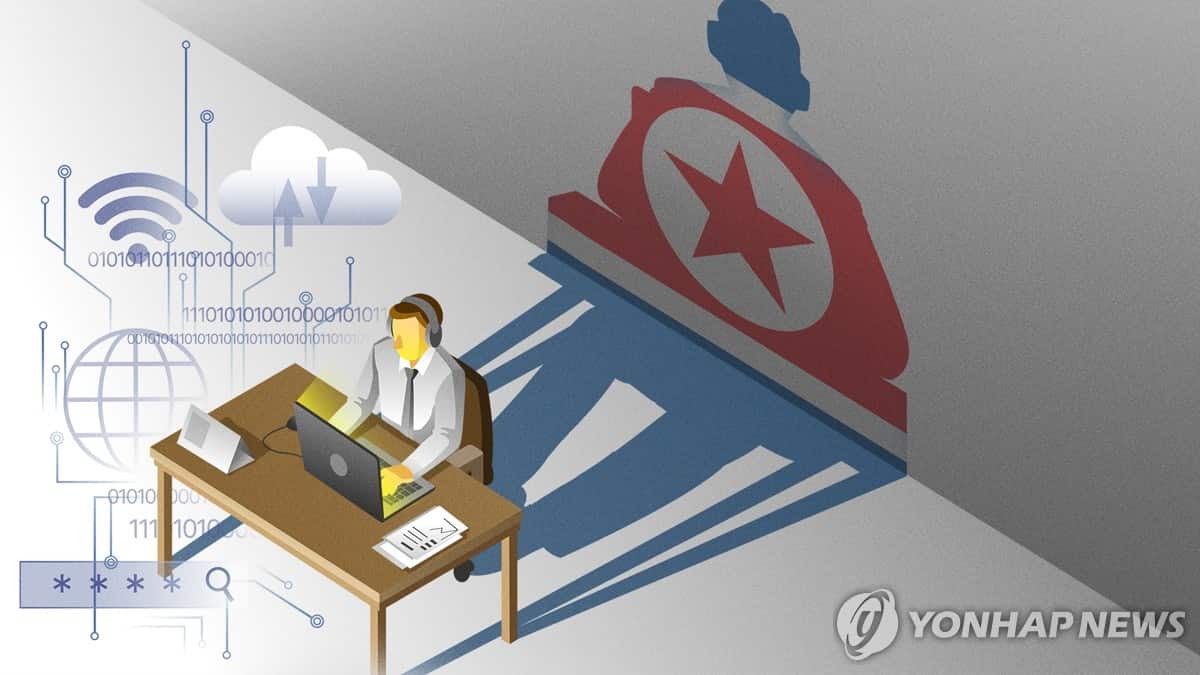
S. Korea, U.S., 9 Other Nations Warn on N. Korean IT Workers Funding WMD Programs
window 24h
IN SHORT
South Korea, the U.S., and nine other nations have issued a joint alert concerning North Korean IT workers who allegedly generate revenue for Pyongyang's weapons programs. These workers reportedly use false identities and funnel income to North Korean agencies. Separately, a study indicates that around 30% of defectors from areas near North Korea's nuclear test site show chromosomal mutations, possibly due to radiation exposure. In diplomatic news, South Korean President Lee Jae Myung announced a new era of cooperation with Argentina, focusing on critical minerals and energy imports.
✉Newsletter
PiQ Daily
Pick your topics. Get only what matters, on your cadence.
Key Numbers
30%of defectors show chromosome mutations
Who's Involved
South Korea
Nation issuing joint alert on North Korean IT workers and entering new cooperation era with Argentina
U.S.
Nation issuing joint alert on North Korean IT workers
Japan
Nation issuing joint alert on North Korean IT workers
North Korea
Nation whose IT workers allegedly fund weapons programs and whose nuclear test site defectors show mutations
Argentina
Nation entering new era of cooperation with South Korea on critical minerals and energy
Lee Jae Myung
South Korean President announcing cooperation with Argentina
1 / 3
Key facts
South Korea, the U.S., Japan, and eight other countries issued a joint alert.
The alert concerns North Korean IT workers funding weapons programs.
These workers allegedly use false identities and remit income to North Korean agencies.
A study found 30% of defectors from near the Punggye-ri nuclear test site show chromosomal mutations.
These mutations may be linked to radiation exposure from past nuclear tests.
South Korean President Lee Jae Myung met with Argentinian leaders.
South Korea and Argentina will usher in a new era of cooperation.
Cooperation will be enhanced on critical minerals and energy imports.
South Korea, the United States, Japan, and eight additional countries have released a joint alert to warn about North Korean IT workers who are allegedly generating revenue for Pyongyang's weapons programs. The alert emphasizes the need for entities to understand and counter these schemes, which often involve the use of false identities and the remittance of income to North Korean state agencies. This coordinated warning highlights international concern over Pyongyang's methods for funding its weapons development.
In a separate development concerning North Korea, a study conducted by South Korea's unification ministry has revealed that approximately 30% of defectors originating from areas near the Punggye-ri nuclear test site exhibit chromosomal mutations. Researchers suggest these mutations may be linked to radiation exposure resulting from past nuclear tests conducted at the site. This finding raises concerns about the long-term health consequences for individuals living in proximity to North Korea's nuclear facilities.
Meanwhile, South Korean President Lee Jae Myung has declared that South Korea and Argentina are set to embark on a new era of cooperation. He underscored the strategic significance of bilateral collaboration in the context of ongoing global shifts. The leaders of both nations have agreed to bolster their cooperation, particularly in the areas of critical minerals and energy imports, signaling a deepening economic and strategic partnership.
↳ Why This Matters
South Korea, the United States, Japan, and eight additional countries have released a joint alert to warn about North Korean IT workers who are allegedly generating revenue for Pyongyang's weapons programs. The alert emphasizes the need for entities to understand and counter these schemes, which often involve the use of false identities and the remittance of income to North Korean state agencies. This coordinated warning highlights international concern over Pyongyang's methods for funding its weapons development.
Frequently asked questions
The primary concern is that these workers generate revenue, often through illicit means, to fund North Korea's nuclear weapons and ballistic missile programs.
They use false identities to secure contracts and employment through online platforms, often impersonating nationals of other countries, and remit their salaries to North Korean agencies.
Besides generating income, they are involved in data exfiltration, cryptocurrency theft, and the theft of sensitive information, posing insider threats to companies.
U.N. member states are obligated to repatriate North Korean nationals earning income within their jurisdiction, and entities are urged to strengthen countermeasures and identity verification.
What Happens Next
01Countries and companies are urged to deepen their understanding of North Korean IT worker schemes.
02Entities are encouraged to implement measures to deal with these workers.
03Countermeasures, such as enhancing identity verification, are to be strengthened.
Get the newsletter.
Pick the topics you actually care about. We'll email when there's news worth your time, on the cadence you choose. Cancel any time from your account.