All NewsEducationTV
Equities & FundsCrypto & Digital AssetsAI & TechnologyBusiness & CorporateUS Politics & PolicyGeopolitics & Global RiskMacro, Rates & FXCommodities & EnergyEuropean Politics & MarketsAsia-PacificReal Estate & Property
Story archiveAll categories
← All Stories

30% of North Korean defectors from nuclear test site areas show chromosome mutations: study

Created at 31 Jul · 7:11 AM1 source↑ Market-relevant
IN SHORT

A study by South Korea's unification ministry found that approximately 30% of defectors from areas near North Korea's Punggye-ri nuclear test site exhibit chromosomal mutations, potentially linked to radiation exposure from past nuclear tests.

✉Newsletter

PiQ Daily

Pick your topics. Get only what matters, on your cadence.

Key Numbers

30 pctdefectors with chromosome mutations
59North Koreans tracked in the latest study
26individuals showing chromosomal abnormalities
5years of testing
214total defectors examined over five years
8cities and counties near the nuclear testing site

Who's Involved

Unification Ministry
South Korean ministry that conducted the research
National Radiation Emergency Medical Center
Conducted the tests for the study
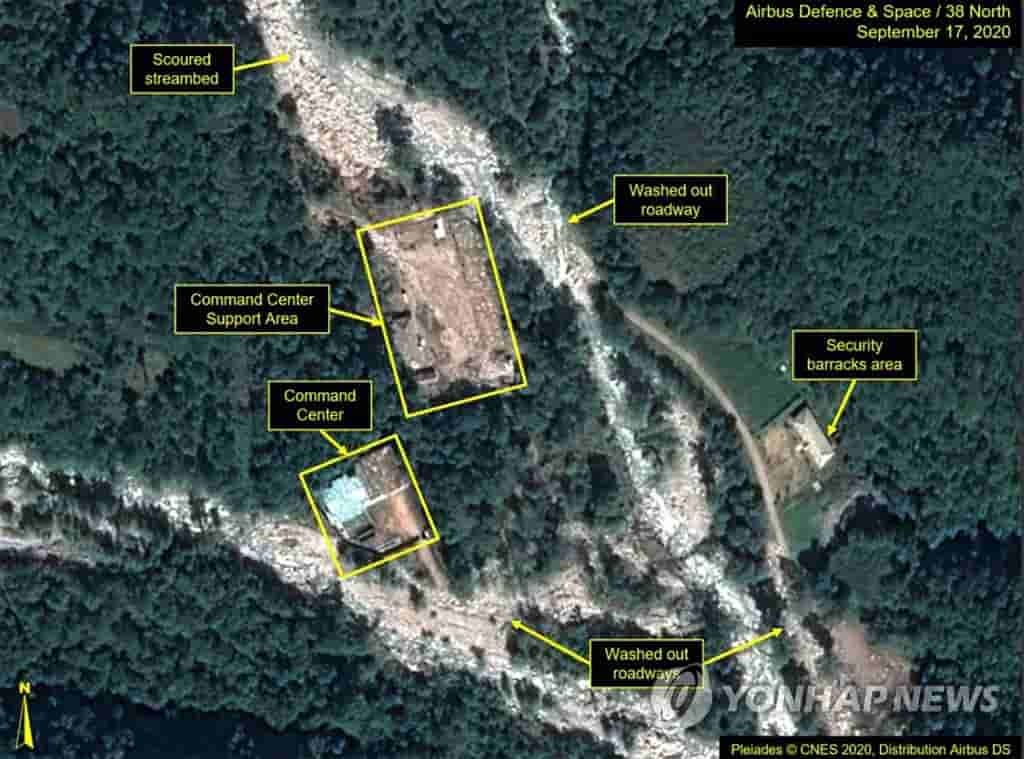
30% of North Korean defectors from nuclear test site areas show chromosome mutations: study

↳ Why This Matters

The study provides potential evidence of the long-term health consequences of North Korea's nuclear testing program on its population, raising concerns about radiation exposure and its impact on defectors.

Key facts

  • Approximately 30% of North Korean defectors from areas near the Punggye-ri nuclear test site show chromosomal mutations.
  • The mutations are potentially linked to radiation exposure from past nuclear tests.
  • The findings are based on a study of 59 defectors who lived near the site.
  • Over five years, nearly 30% of 214 defectors examined showed similar mutations.
  • The study cautioned that other factors like smoking and CT scans could also be causes.

A study by South Korea's unification ministry revealed that approximately 30% of North Korean defectors from regions surrounding the Punggye-ri nuclear test site exhibit chromosomal mutations. These abnormalities are potentially linked to radiation exposure resulting from the country's nuclear experiments, with the first test occurring in October 2006.

The fifth annual study, conducted last year, examined 59 individuals who had resided in eight cities and counties near the test site before defecting to South Korea. Of these participants, 26 displayed chromosomal abnormalities that researchers suspect may stem from radiation exposure via water, air, or other pathways. However, the study noted that none of the subjects had developed cancers typically associated with radiation exposure.

Across the five-year period of the study, a total of 214 defectors were examined, with 64, or nearly 30 percent, showing mutations potentially linked to radiation. Officials from the National Radiation Emergency Medical Center, which performed the tests, stated that it is scientifically plausible to suspect the nuclear tests are responsible for these abnormalities and emphasized the need for continued research to establish a definitive link.

The ministry cautioned that the findings do not exclude other potential causes for the mutations, such as smoking, CT scans, or other environmental factors. Approximately 800 North Koreans from the affected areas have resettled in South Korea to date. The current year's study plans to recruit 50 new participants and 10 returning subjects for follow-up examinations.

Frequently asked questions

Approximately 30 percent of defectors from areas near the Punggye-ri nuclear site showed chromosomal mutations in the study.

Researchers suspect the mutations may be linked to radiation exposure from North Korea's nuclear tests, though other factors are also considered.

The latest study tracked 59 individuals, and across five years, a total of 214 defectors were examined.

No, none of the subjects in the study had cancers known to be associated with radiation exposure.

What Happens Next

01The study aims to recruit 50 new participants and 10 returning subjects for follow-up testing this year.

Get the newsletter.

Pick the topics you actually care about. We'll email when there's news worth your time, on the cadence you choose. Cancel any time from your account.

Cadence

How It Developed

A study tracked 59 North Koreans from areas near the Punggye-ri nuclear site who defected after the 2006 nuclear experiment.
Twenty-six individuals showed chromosomal abnormalities potentially linked to radiation exposure.
Across five years, 214 defectors were examined, with nearly 30% showing mutations.
Researchers suggest a scientific link between nuclear tests and abnormalities, calling for further research.
The study cautioned that other factors like smoking and CT scans could also cause mutations.

Sources

T1
30 pct of defectors from N. Korea's nuclear test site areas show chromosome mutations: studyYonhap News Agency

Related Stories

US drone incident raises questions about allied communication
31 Jul · 1:26 AM
North Korea state media warns US Forces Japan expansion risks Korean peninsula clash
31 Jul · 1:03 AM
Russia used North Korean missile in deadly strike on Ukraine village, Zelensky says
30 Jul · 12:51 PM
South Korea reviews near-shootdown of U.S. drone near border
30 Jul · 10:42 AM
Russia's Africa Corps killed Mali civilians in 'indiscriminate' attack, rights group says
31 Jul · 4:04 AM