All NewsEducationTV
Equities & FundsCrypto & Digital AssetsAI & TechnologyBusiness & CorporateUS Politics & PolicyGeopolitics & Global RiskMacro, Rates & FXCommodities & EnergyEuropean Politics & MarketsAsia-PacificReal Estate & Property
Story archiveAll categories
← All Stories

US drone incident raises questions about allied communication

Created at 31 Jul · 1:26 AM1 source↑ Market-relevant
IN SHORT

A U.S. military drone flying near the inter-Korean border prompted a defensive alert from South Korean forces, raising concerns about a potential communication gap between the allies. The drone was identified as belonging to the U.S. Marine Corps.

✉Newsletter

PiQ Daily

Pick your topics. Get only what matters, on your cadence.

Key Numbers

10:17time of report
July 31, 2026date of report

Who's Involved

Kim Seung-yeon
Author of the report
U.S. Forces Korea (USFK)
Reportedly gave prior notice of drone operation
South Korean Army's 1st Corps
Activated anti-air defense alert system
South Korean Marines
Participated in combined exercise with U.S. Marines
U.S. Marine Corps
Operated the spy drone
Joint Chiefs of Staff (JCS)
Gathering facts on reporting chain and authorization
US drone incident raises questions about allied communication

↳ Why This Matters

The incident underscores the critical need for clear communication and coordination between allied forces, especially in sensitive border regions, to prevent accidental escalations and maintain regional stability.

Key facts

  • A U.S. military drone was mistaken for an enemy threat near the inter-Korean border.
  • South Korean forces nearly prepared to shoot down the drone.
  • The drone belonged to the U.S. Marine Corps and was conducting an operation.
  • Concerns have been raised about a potential communication gap between the U.S. and South Korea.
  • The South Korean military claims it did not grant formal approval for the drone operation.

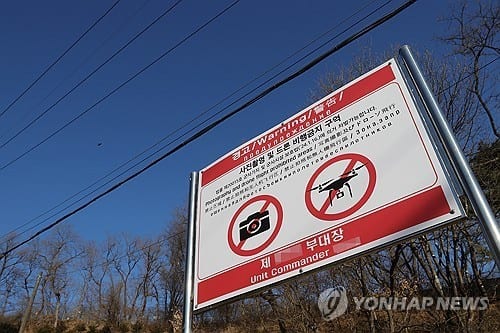
Questions have emerged regarding a potential communication breakdown between the U.S. and South Korea following an incident where a U.S. spy drone was nearly targeted by South Korean forces. The drone was detected in the buffer zone near the inter-Korean border, prompting the South Korean Army's 1st Corps to activate its anti-air defense alert system.

Surveillance equipment, including thermal observation devices and radar, was used to identify the unmanned vehicle. The Joint Chiefs of Staff (JCS) later confirmed it was a U.S. Marine Corps drone engaged in a combined exercise with South Korean Marines near the border.

However, the incident has highlighted a possible gap in communication, as the South Korean Army reportedly mobilized air defense assets to down the drone without prior awareness of the allied operation. While USFK reportedly provided prior notice of drone operations, the South Korean military claims formal approval was never granted. The Chosun Ilbo reported that official documentation regarding the drone operation was sent but not shared with relevant units up the chain of command.

The JCS is currently investigating the reporting chain and verifying the authorization status of the U.S. drone's flight. USFK has stated it is assessing the circumstances and will collaborate with the Korean military on the matter.

Frequently asked questions

A U.S. military drone flying near the inter-Korean border was mistaken for an enemy threat by South Korean forces, who prepared to shoot it down. It was later identified as a U.S. Marine Corps drone.

Questions have arisen about a potential communication gap, as the South Korean military claims it did not grant formal approval for the U.S. drone operation, despite prior notification reportedly being given by USFK.

The buffer zone, known as the Civilian Control Line, is located south of the Military Demarcation Line separating North and South Korea, and is a sensitive area where drone activity requires strict adherence to protocols.

What Happens Next

01The JCS is gathering facts regarding the reporting chain.
02The JCS is trying to determine if the U.S. drone flew with proper authorization.
03USFK is assessing the circumstances surrounding the incident.
04USFK will continue working with the Korean military and relevant authorities.

Get the newsletter.

Pick the topics you actually care about. We'll email when there's news worth your time, on the cadence you choose. Cancel any time from your account.

Cadence

How It Developed

A U.S. spy drone was spotted in the buffer zone south of the Military Demarcation Line.
South Korean forces activated an anti-air defense alert system and attempted to identify the drone.
The drone was identified as a U.S. military drone from the Marine Corps conducting an operation.
Questions arose regarding why South Korean forces were unaware of the allied drone operation.
The U.S. Forces Korea reportedly gave prior notice, but South Korea claims no formal approval was granted.
An investigation is underway to determine if the drone flew with proper authorization.

Sources

T1
Questions arise over possible communication gap between allies after U.S. drone incidentYonhap News Agency

Related Stories

US military drone flies over inter-Korean border, prompts civilian evacuation
30 Jul · 10:42 AM
US-led drills bring Japan and South Korea closer on defense
31 Jul · 12:05 AM
North Korea state media warns US Forces Japan expansion risks Korean peninsula clash
31 Jul · 1:03 AM
US munition stockpile could impact Iran operations, Army leader tells Trump
30 Jul · 4:56 AM
China showcases wider deployment of YJ-20 hypersonic anti-ship missile
30 Jul · 10:17 AM