Key facts
- US military stockpiles of critical air defense missiles, including Patriot and THAAD interceptors, are severely depleted.
- The Center for Strategic and International Studies estimates fewer than 827 Patriot and 278 THAAD interceptors remain in US stockpiles.
- These numbers represent a significant reduction from pre-war levels.
- The shortage could affect the US's ability to conduct operations in Iran and potentially engage in other conflicts.
- Replenishing these high-end munitions could take years.
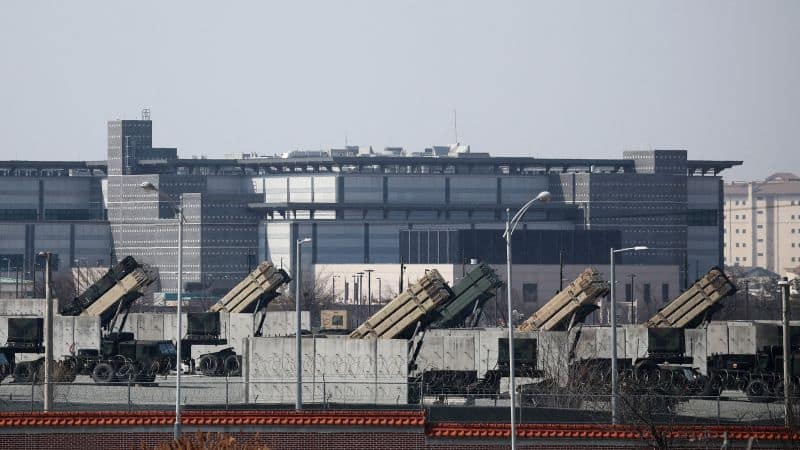
The United States military's stockpile of crucial air defense missiles, including Patriot and THAAD interceptors, has been significantly depleted due to ongoing conflict with Iran, according to recent analyses and sources familiar with Pentagon data. A report by the Center for Strategic and International Studies (CSIS) estimates that fewer than 827 Patriot interceptors and 278 THAAD ballistic missile interceptors remain, a substantial decrease from pre-war levels.
These shortages raise concerns about the US military's ability to defend against missile threats and could impact its capacity to engage in other potential conflicts, such as with China or North Korea. The CSIS report noted that diminished stockpiles may force the US and its partners to take greater risks with interceptions, as there are few viable alternatives to Patriot and THAAD systems for ballistic missile defense.
Chairman of the Joint Chiefs of Staff Gen. Dan Caine has briefed President Donald Trump on the situation, emphasizing that the dwindling munitions could impact military operations in Iran. Trump, while expressing a desire to replenish "the more sophisticated stuff," maintained that inventories are "in very good shape." Caine also warned senators that the Pentagon requires additional funding to secure necessary munitions.
Analysts suggest that replenishing these high-end munitions could take several years due to the complex manufacturing lead times. In response, the Defense Department has accelerated efforts to boost interceptor missile production. However, the reported tactic of US commanders opting not to intercept Iranian projectiles aimed at unpopulated areas highlights the strain on current inventory.