Key facts
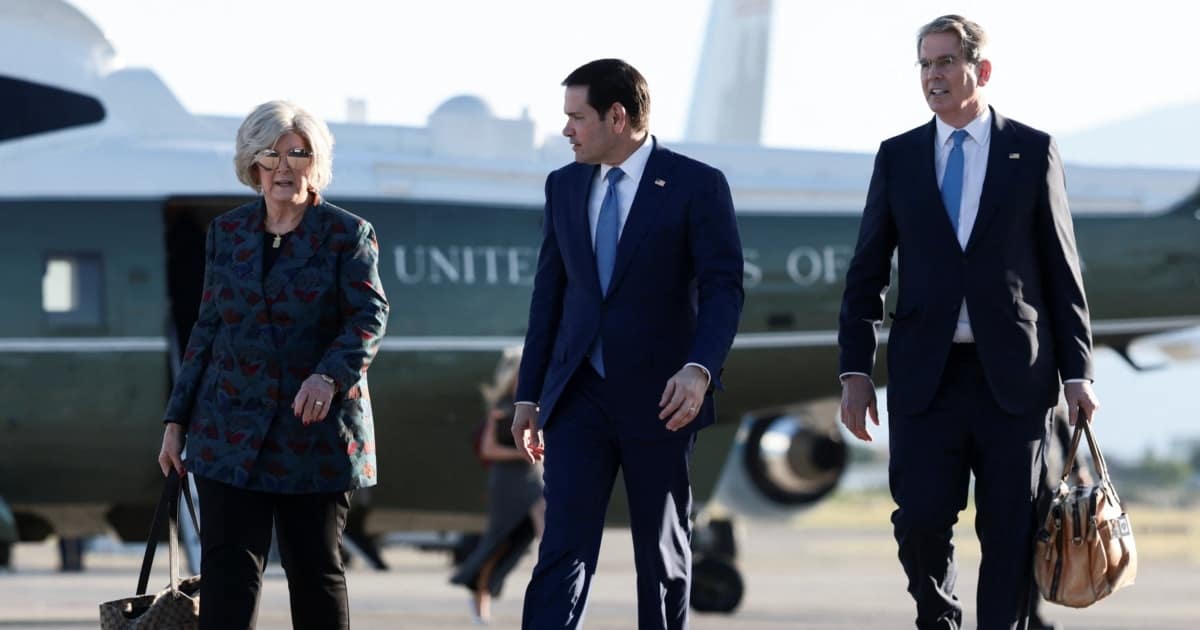
- US Secretary of State Marco Rubio is visiting Bahrain, Kuwait, and the UAE.
- The visits aim to discuss a preliminary Iran accord with Gulf allies.
- Concerns focus on Iran's military capacity and ballistic missile program.
- The U.S. Treasury Department issued a general license for Iranian oil and petrochemical sales.
- The license is valid through August 21.
- Turkey's Foreign Minister Hakan Fidan warned of potential Israeli sabotage.
- Iran has called for a regional Islamic security alliance excluding the US and Israel.
- US Central Command confirmed continued regional military presence.
- The US maintains an estimated 40,000 troops in the Middle East.
- Approximately 900 US troops are in Syria for counterterrorism operations.
US Secretary of State Marco Rubio is undertaking a diplomatic trip to Bahrain, Kuwait, and the United Arab Emirates to discuss a preliminary accord with Iran with Gulf allies. The visit's objective is to reassure regional partners and address their concerns regarding a memorandum of understanding with Iran, specifically focusing on Iran's military capabilities and its ballistic missile program. Concurrently, the U.S. Treasury Department has issued a general license that authorizes Iranian oil and petrochemical product sales until August 21. This action is considered a step toward implementing a broader US-Iran deal and permits transactions related to the sale, transportation, and offloading of these products, including potential imports into the U.S.
Amid these diplomatic efforts, Turkey's Foreign Minister Hakan Fidan has voiced concerns that technical issues could potentially stall the US-Iran memorandum of understanding. Fidan also issued a warning that Israel might attempt to sabotage the process. In parallel, Iran has called for the formation of a regional security and military alliance among Middle Eastern countries, based on Islamic principles and explicitly excluding the United States and Israel. This proposal emerges against a backdrop of escalating regional hostilities.
US Central Command has affirmed the continued active presence of American forces across the Middle East. These forces are conducting operations, including air and sea patrols, in support of ongoing diplomatic initiatives with Iran. The U.S. maintains an estimated 40,000 troops stationed in the region, with approximately 900 personnel engaged in counterterrorism operations in Syria.
Looking ahead, the general license for Iranian oil and petrochemical sales is set to expire on August 21, indicating a potential timeline for further developments or adjustments in US-Iran economic relations. The diplomatic engagements by Secretary Rubio aim to navigate complex regional security dynamics and address allied apprehensions regarding Iran's nuclear and military ambitions.